
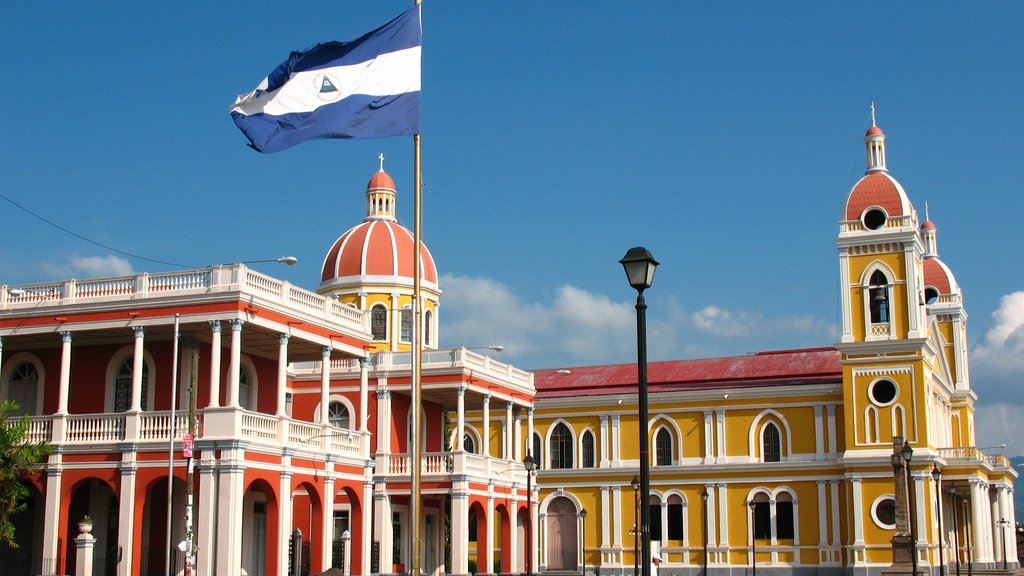
Start with this itinerary
Open this 8-day Nicaragua itinerary in Honge as your starting point, then shape the pace around your volcano day, Pacific beach base and the Managua airport buffer.
How Many Days in Nicaragua Is Enough?
Eight days is enough for a first Nicaragua loop: two nights in Granada for colonial streets and Lake Nicaragua, two nights in León for cathedral views and a volcano day, then three nights on the Pacific at Las Peñitas before returning to Managua. Skip Ometepe, the Corn Islands and a second Pacific base in this window; add them if you have 10 to 14 days.
Keep the structure tight: two nights in Granada for the historic centre and one lake or Mombacho day, two nights in León for murals and Cerro Negro, then three nights on the Pacific so the beach is more than a transfer stop. Trying to add Ometepe, Big Corn Island or a San Juan del Sur hop into the same eight days usually turns road hours into the main story.
The strongest version is this one: Granada for colour and lake scenery, León for history and volcano energy, then the Pacific for a slower finish. Use the extension ideas below if you can stay longer.
Introduction
Discover Nicaragua in eight unforgettable days, from Granada’s pastel colonial streets and Lake Nicaragua to León’s murals and volcanoes, finishing with Pacific sunsets and fresh seafood.
Nicaragua is a country that rewards curious travellers. Its colonial cities are filled with pastel-coloured buildings, historic churches and lively markets, while its volcanic landscapes offer everything from forested crater trails to the rush of volcano boarding. Along the Pacific coast, surf towns, grilled fish and golden evenings provide a relaxed finish to an adventure-packed journey.
An eight-day trip gives you a taste of Nicaragua’s many sides without trying to cover the entire country. Begin in Granada, where colonial architecture meets the vast waters of Lake Nicaragua. Continue to León, known for revolutionary history, colourful murals and proximity to active volcanoes. Then head west to the Pacific, where you can slow down, surf, swim where conditions are safe and enjoy a beachside evening.
This itinerary is designed for travellers who want a balance of culture, outdoor adventure and downtime, with practical advice on transport, accommodation, food and safety along the way.
Nicaragua is not only volcano boarding — it is courtyard cafés in Granada, murals in León, black volcanic slopes and quiet evenings watching the Pacific settle into dusk.
Why This Trip Works
This is a compact multi-city Nicaragua itinerary: three bases, sensible road hours and a clear arc from colonial streets to volcanoes to the Pacific.
- Three regions, one coherent arc: Granada for colonial colour and lake scenery, León for history and volcanoes, the Pacific for a beach reset.
- Realistic transfer days: Managua–Granada is typically about 45–75 minutes; Granada–León around 2–3 hours; León–Las Peñitas about 30–45 minutes.
- 2 / 2 / 3 nights: enough time to settle without packing every morning, with a proper coastal finish.
- Choice on Day 4: volcano boarding on Cerro Negro or a guided hike — match fitness and appetite for adrenaline rather than defaulting to the most famous option.
Who Is This Trip For?
This journey suits couples, friends and solo travellers who want colonial cities and outdoor adventure alongside food, surfing and beach downtime. Active travellers comfortable with shuttle transfers and one volcano day — whether Cerro Negro boarding or a guided hike — will get the most from the week.
It is less ideal if you want only resort beach days, a multi-island hop or a trip that skips early starts for Cerro Negro. Pacific currents can be strong — plan swimming and surfing with local advice rather than assuming every stretch of shore is gentle.
Good to Know
- Currency: Nicaraguan córdoba (NIO). US dollars are widely accepted in tourist areas; keep small bills and some cash for markets, taxis and tips.
- Language: Spanish is the main language; English appears in tourist hubs, but a few Spanish phrases help with markets, taxis and surf schools.
- Time zone: Central America Time (CST, UTC−6); no daylight saving time.
- Gateway: Augusto C. Sandino International Airport (MGA) in Managua for arrivals and departures on this route.
- Safety & surf: Use trusted transfers, keep valuables secure and ask locals before swimming — Pacific waves and currents can be powerful even on calm-looking days.
- Adventure activities: Book volcano boarding and hikes through established operators; confirm inclusions, pickup times and safety equipment before you pay.
Before You Go
- Decide Day 4 early: Cerro Negro volcano boarding or a guided hike — different physical demand and risk profile.
- Book Granada and León stays near the historic centres if you want to walk to restaurants and landmarks.
- Review current entry requirements and UK travel advice for Nicaragua for your nationality.
- Ask Pacific accommodation about surf lessons, swimming advice and airport transfer timing for Day 8.
- If your international flight leaves early, plan a final night in Managua instead of driving from the coast the same morning.
Journey Overview
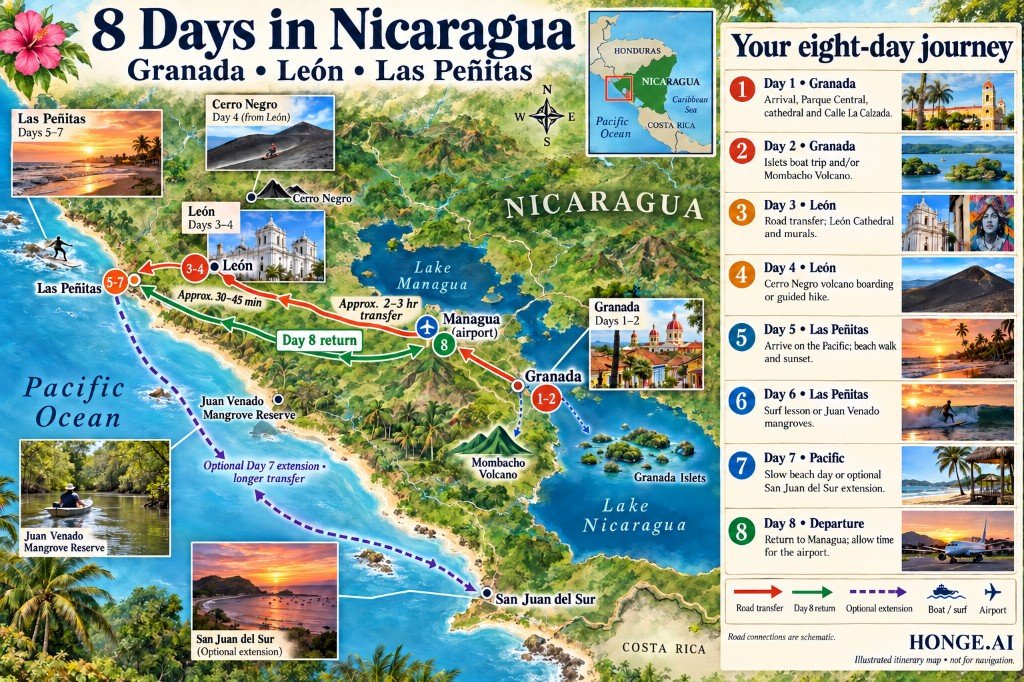
The route starts in Granada for colonial streets and lake or volcano scenery, continues west to León for cathedral views and Cerro Negro, then settles on the Pacific at Las Peñitas before returning to Managua for departure.
| Day | Base | Focus | Travel / getting around |
|---|---|---|---|
| Day 1 | Granada | Arrival, Parque Central, cathedral, Calle La Calzada | Airport transfer + walking |
| Day 2 | Granada | Islets boat trip and/or Mombacho Volcano | Guided boat / park transfer |
| Day 3 | León | Road west; León Cathedral and murals | ~2–3 hr shuttle / transfer |
| Day 4 | León | Cerro Negro boarding or guided hike | Organised excursion |
| Day 5 | Las Peñitas | Arrive Pacific; beach walk and sunset | ~30–45 min from León |
| Day 6 | Las Peñitas | Surf lesson or Juan Venado mangroves | Local operators |
| Day 7 | Pacific | Slow beach day or San Juan del Sur option | Optional longer transfer |
| Day 8 | — | Return to Managua and depart | Road + airport buffer |
Route Map
Day 1 — Arrive in Granada and Explore the Historic Centre
After arriving at Managua’s Augusto C. Sandino International Airport (MGA), transfer to Granada and check into your accommodation. The drive usually takes around 45–75 minutes, depending on traffic. Stay within or close to the historic centre if you want to explore on foot and have easy access to restaurants.
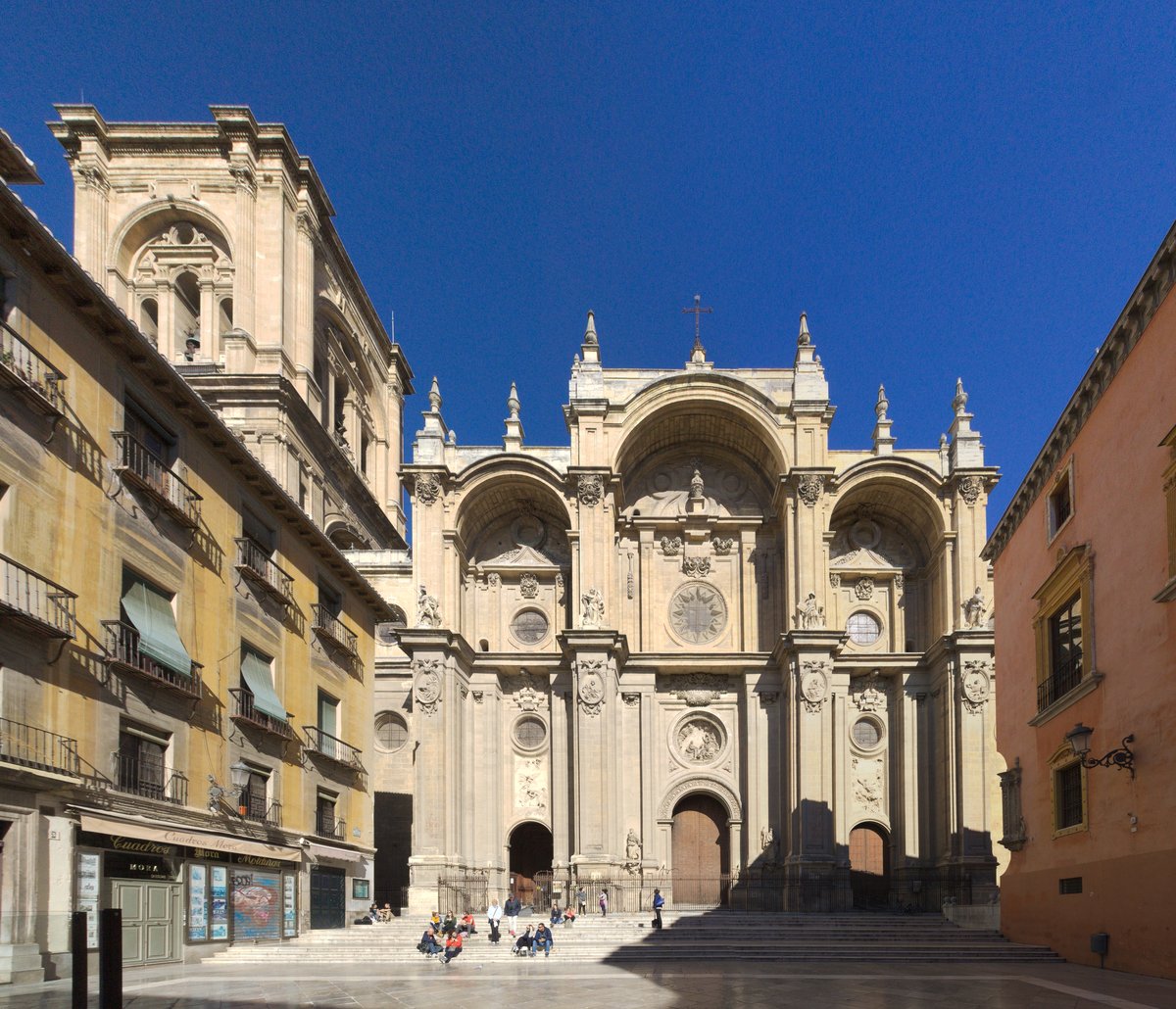
Start at Parque Central, the heart of Granada’s historic centre. The square is surrounded by cafés, local businesses and colourful colonial buildings — a natural place to get your bearings. Visit Granada Cathedral, which overlooks the square. Its bright exterior stands out against the surrounding rooftops and gives you an excellent introduction to the city’s architectural character. Take your time walking nearby streets, where you will find courtyards, small shops and buildings in shades of yellow, pink, blue and terracotta.
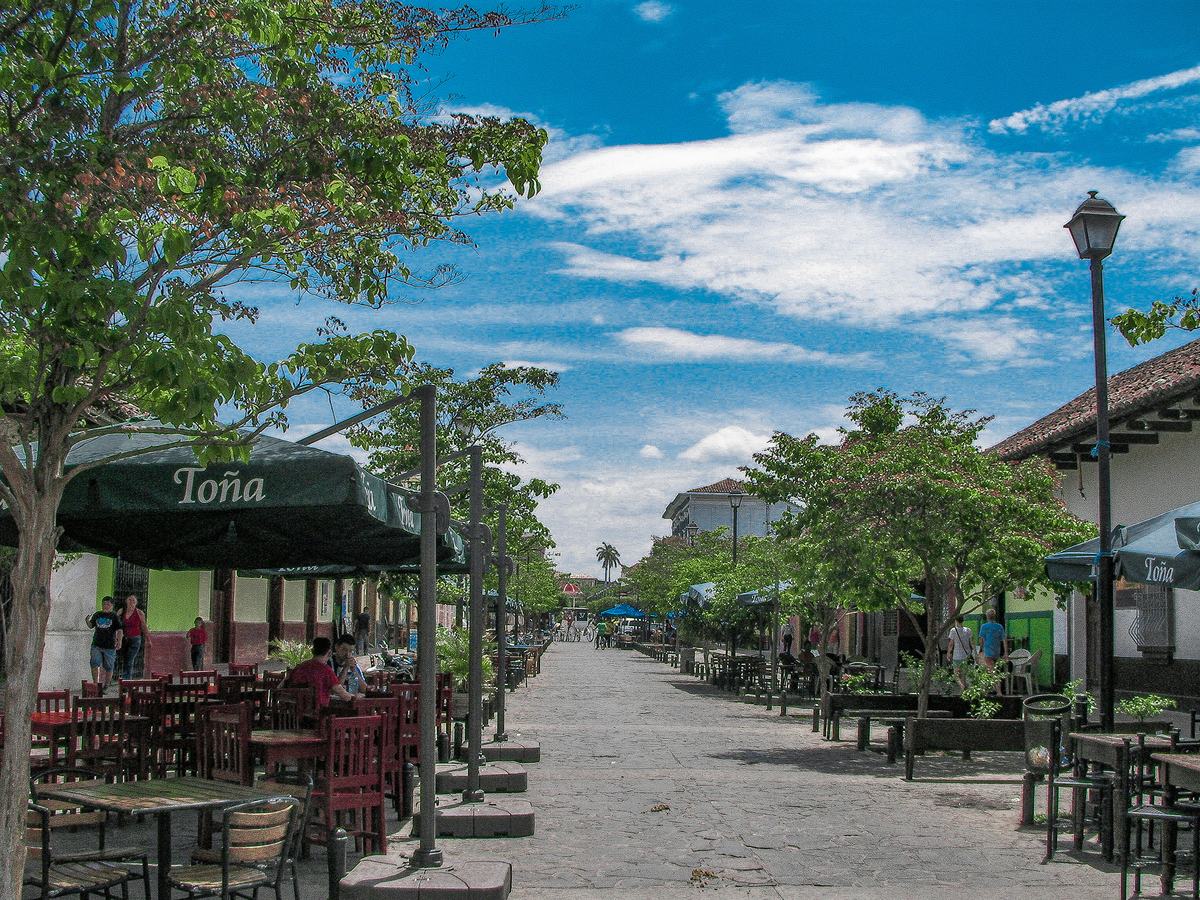
Continue to Calle La Calzada, known for restaurants, bars and cafés. During the day it is a pleasant place for a drink or a meal; later it becomes one of Granada’s social hubs. Browse small shops and enjoy the atmosphere rather than rushing from landmark to landmark. In the evening, choose a restaurant serving local dishes and try vigorón, a Granada speciality of yuca, pork crackling and cabbage salad, often served on a banana leaf. If you prefer something lighter, look for grilled fish, plantain or a simple rice-and-beans dish.
Food note: try vigorón in Granada, where the dish is particularly associated with the city. Ask about ingredients if you have dietary requirements.
Do not miss: Parque Central and Granada Cathedral, followed by an evening stroll along Calle La Calzada.
Logistics: stay centrally to minimise taxis. Use an official airport transfer or a pre-arranged shuttle if you are arriving after dark.
Day 2 — Lake Nicaragua, the Islets and Mombacho Volcano
Granada’s surroundings are as rewarding as the city itself. Today, choose how you want to experience the landscape: from the water around Lake Nicaragua or from the slopes of Mombacho Volcano — or both if tour schedules allow.
Head to the waterfront and arrange a guided boat excursion around the Islets of Granada, a group of small islands scattered across Lake Nicaragua near the city. The islets are covered in vegetation, with small homes, birds and views back towards Granada and the volcanic landscape. Ask your operator about the route, duration and what is included before departing. Wildlife sightings vary; enjoy it as a scenic lake excursion rather than a guaranteed wildlife tour.
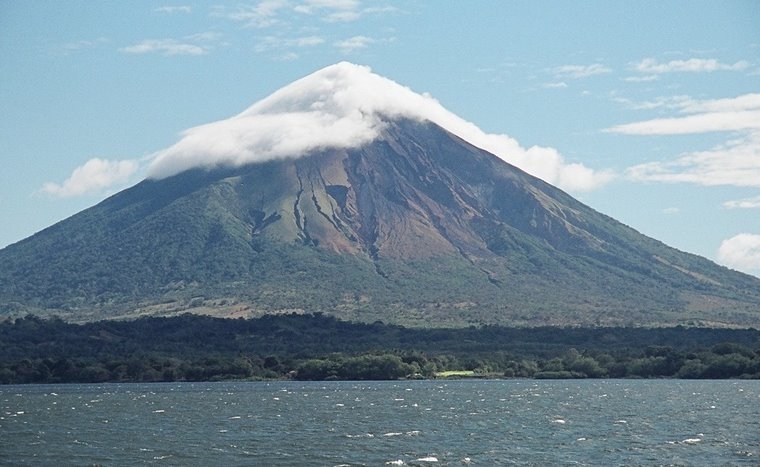
For an active alternative — or a second half-day — visit Mombacho Volcano Nature Reserve outside Granada. Forested slopes, cooler air and volcanic scenery contrast with the warm streets below. Guided excursions may include forest walks, viewpoints and trails depending on current access and conditions. Some routes can be steep or muddy, so wear suitable footwear and carry water. Confirm transport arrangements, trail conditions and whether park fees are included. Return to the city for a final Granada dinner — a good evening to try a café or restaurant away from the busiest stretch of Calle La Calzada.
Food note: look for gallo pinto, a popular combination of rice and beans often served with eggs, cheese or plantain.
Do not miss: the Islets of Granada for lake scenery, or Mombacho for forest trails and elevated views.
Logistics: book guided excursions with established local operators and check timings if you hope to combine lake and volcano in one day.
Day 3 — Travel to León and Discover Its Historic Streets
Leave Granada after breakfast and travel west to León. The journey generally takes around 2–3 hours by car or shuttle, depending on traffic and pick-up arrangements. After arriving, check into accommodation in or near the historic centre so you can visit the main landmarks on foot.
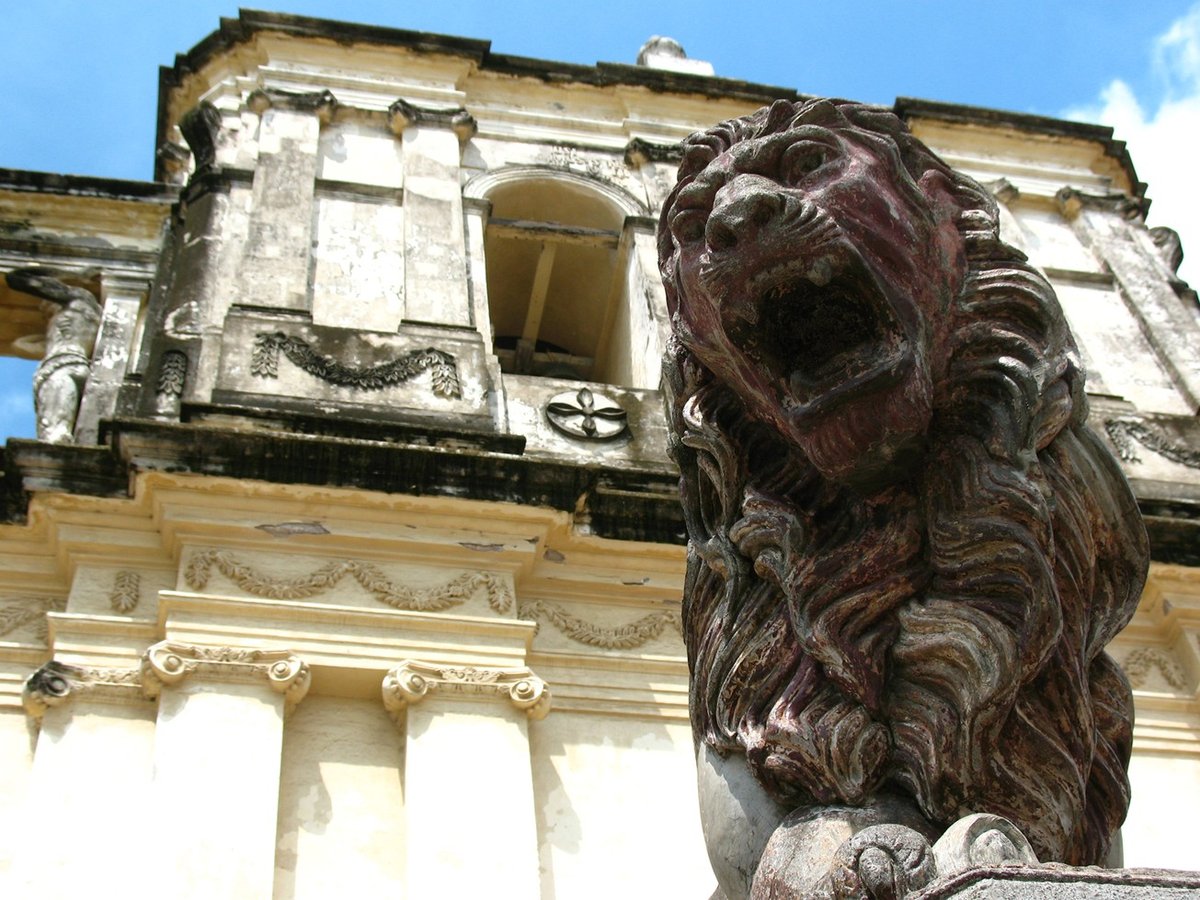
Begin at León Cathedral, formally the Cathedral of the Assumption of Mary. It is one of the city’s defining landmarks and a UNESCO World Heritage Site. Explore the interior and learn about its history. If roof access is open, you may be able to visit the rooftop for views across León towards the surrounding volcanic landscape — follow the site’s current visitor rules. Then walk the centre to discover painted murals that reflect Nicaragua’s history, political struggles and cultural identity. León’s atmosphere comes from everyday life as much as its landmarks: students, markets, small cafés and shaded courtyards. For a deeper look at revolutionary history, consider a guided walking tour or ask about museums open during your visit.
In the evening, try nacatamal, a corn-based dish wrapped in a banana leaf and cooked slowly, or quesillo, a snack of cheese, cream and onion wrapped in a tortilla.
Food note: try quesillo for a casual snack or nacatamal for a more substantial traditional meal.
Do not miss: León Cathedral and the city’s murals.
Logistics: a shuttle is convenient if you want to avoid driving. Confirm cathedral and museum opening hours if you arrive in the afternoon.
Day 4 — Volcano Boarding or a Hike Around León
León is the main base for one of Nicaragua’s most distinctive adventure activities: volcano boarding on Cerro Negro. If you prefer a slower or less adrenaline-focused day, choose a guided hike instead.
Option A: Volcano boarding on Cerro Negro
Join an organised excursion to Cerro Negro, a dark volcanic cone outside León known for descending a section of the black slope on a specially designed board. Most tours include transport from León, equipment and a safety briefing. Participants typically hike up before the descent, so expect physical effort even before the ride. Expect heat, loose volcanic material and sun exposure. Wear closed shoes, follow the guide’s instructions and check what protective clothing is provided. The activity is not suitable for everyone, and conditions or operator rules may affect whether it runs.
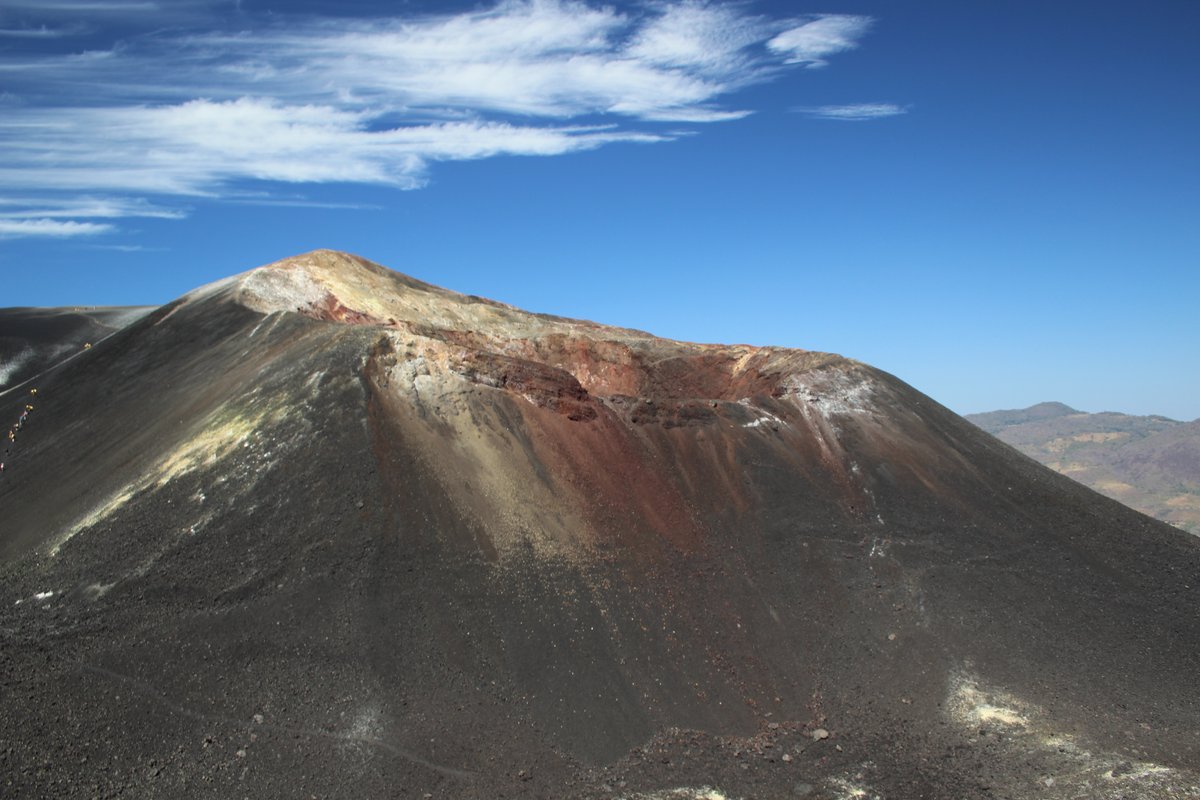
Option B: A guided volcano or nature hike
If volcano boarding is not for you, ask a reputable operator about a guided hike in the surrounding volcanic region. Choose a route based on your fitness, the weather and current access rules. Do not attempt to hike an unfamiliar volcano independently without checking local conditions — heat, unstable ground, gases and sudden weather changes are real hazards.
Return to León and keep the afternoon easy: a café, craft shops or a long lunch rather than a second demanding activity. Confirm tomorrow’s shuttle or driver pick-up time for the Pacific transfer.
Food note: try a fresh fruit juice or local snack after your excursion, and drink plenty of water throughout the day.
Do not miss: Cerro Negro volcano boarding if you want an unusual adventure, or a guided hike if you prefer the landscape at a slower pace.
Logistics: book with an established operator, check inclusions, bring closed shoes, sun protection and water, and follow all safety instructions.
Day 5 — Travel to Las Peñitas and Settle into Beach Life
After breakfast, travel from León to Las Peñitas, a Pacific beach community generally around 30–45 minutes away by road. Check into a guesthouse, surf lodge or small hotel within easy walking distance of the beach if you want to keep the next few days simple.
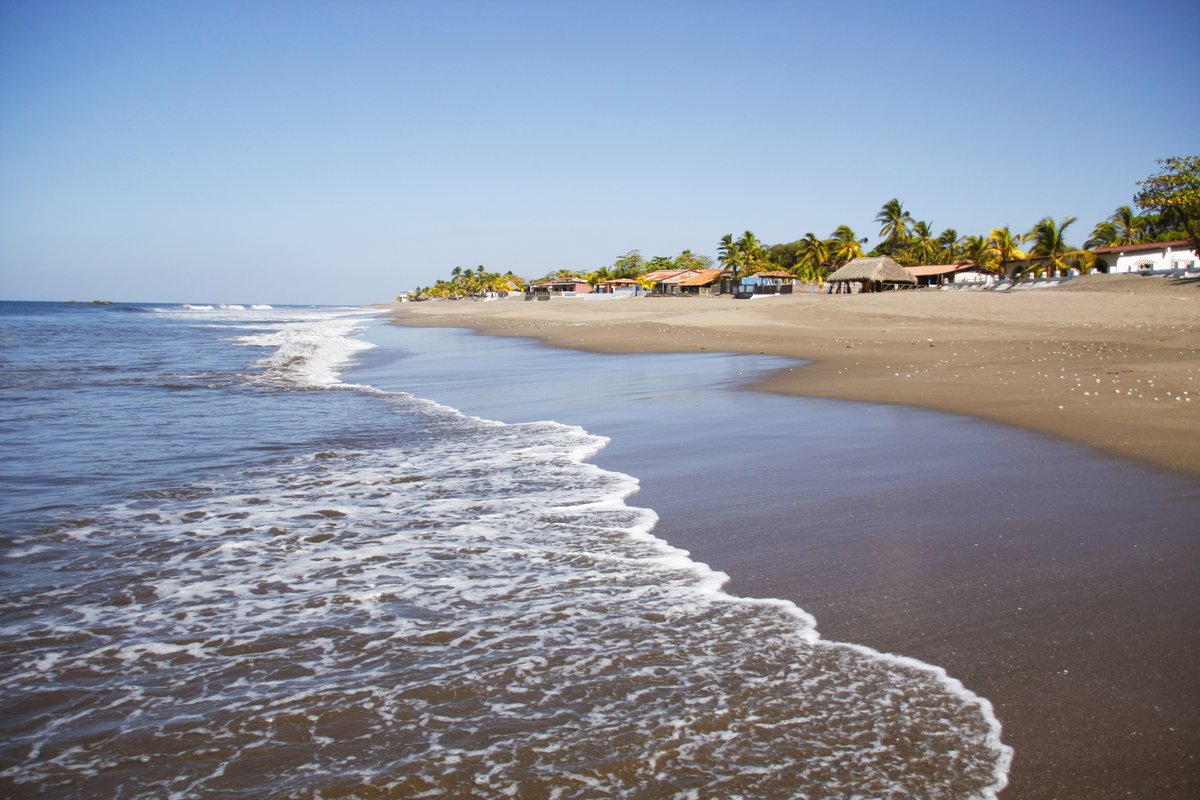
Spend the afternoon walking along Las Peñitas Beach, watching the surf and getting familiar with the area. The Pacific can have strong waves and currents, so do not assume every stretch of water is safe for swimming. Ask local surf schools or accommodation staff about conditions and designated areas before entering the sea. If you are interested in surfing, use the afternoon to speak with a local instructor and arrange a lesson for the following day. Find a beachside restaurant or café and watch the sun sink into the Pacific.
Food note: look for grilled fish, shrimp, ceviche and other seafood, depending on the daily catch.
Do not miss: sunset at Las Peñitas after your arrival.
Logistics: arrange a transfer from León in advance if your accommodation is outside the main village. Carry cash for small purchases and check restaurant opening days.
Day 6 — Surfing, Beach Time and a Coastal Nature Excursion
Today is about enjoying the Pacific coast rather than filling every hour. Choose a surf lesson, a guided nature outing or simply a day on the beach.
If you are new to surfing, book a lesson with a local surf school. An instructor can help you choose a suitable board, understand the conditions and learn basic techniques. Experienced surfers can ask about the best breaks for the day — conditions vary with tides, swell and weather. If surfing is not your interest, take a morning beach walk or arrange a gentle coastal excursion.
Near Las Peñitas, Juan Venado Island Nature Reserve offers a different coastal perspective. Depending on current access, guided boat excursions may explore estuarine waterways and mangrove habitats. Ask an established local operator about routes, duration and wildlife-viewing guidelines. Sightings vary; avoid disturbing birds or other animals. Return for a long lunch and a free afternoon — hammock time, a short walk or rest at your accommodation. If swimming, choose a location recommended by local staff.
Food note: try grilled fish with rice, plantain or salad, or order ceviche from a reputable establishment that handles seafood safely.
Do not miss: a surf lesson or a guided trip into Juan Venado’s mangrove environment.
Logistics: reserve activities through reputable providers, check sea conditions, bring sun protection and avoid swimming alone or entering rough water.
Day 7 — A Relaxed Pacific Day or San Juan del Sur
For the easiest itinerary, spend another day around Las Peñitas. If you would rather experience a more developed surf town with more restaurants and nightlife, you could travel to San Juan del Sur — but this involves a longer drive and a change of accommodation.
Option A: Stay in Las Peñitas
Enjoy a slow morning with coffee and breakfast near the beach. If conditions are good, arrange another surf session or walk the shore. You could also ask about a guided boat trip if you skipped Juan Venado yesterday. Keep the day flexible and let the weather set the pace.
Option B: Explore San Juan del Sur
If you prefer a livelier coastal atmosphere, travel to San Juan del Sur in south-west Nicaragua. From León or Las Peñitas the journey can take several hours — often around 3.5–5 hours or more depending on traffic, stops and route. San Juan del Sur has a bay-front setting, restaurants, surf culture and access to nearby beaches. Arrange the transfer and accommodation in advance and depart early. With only one night, focus on the town and one nearby beach rather than several coastal areas.
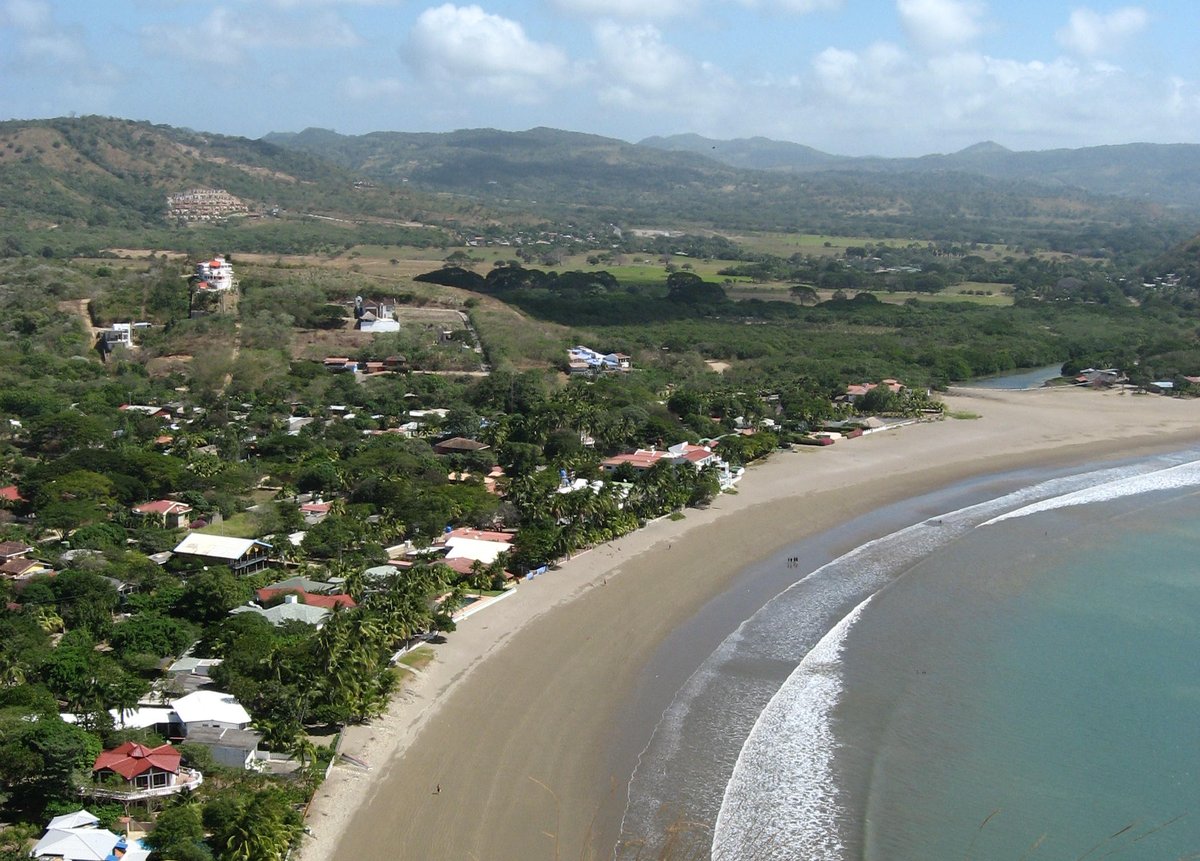
Whether you stay in Las Peñitas or choose San Juan del Sur, finish with a relaxed dinner and a final sunset by the ocean.
Food note: enjoy fresh seafood if available, or choose a traditional Nicaraguan meal at a local restaurant.
Do not miss: a final Pacific sunset without a tight schedule or another long excursion.
Logistics: staying in Las Peñitas keeps the route simpler. If you choose San Juan del Sur, confirm the final transfer to Managua and leave enough time for your international departure.
Day 8 — Return to Managua and Depart
After breakfast, travel towards Managua’s Augusto C. Sandino International Airport. From Las Peñitas, the drive commonly takes around 1.5–2.5 hours, depending on traffic and road conditions. From San Juan del Sur, allow considerably longer — often around 2.5–3.5 hours or more.
If your flight leaves later in the day, a same-day transfer from the coast may be possible — leave a generous buffer for the journey, airport check-in and unexpected delays. If your flight leaves early, spend your final night in Managua rather than on the coast; it is the safer option when you have an early international departure.
Food note: have breakfast before departure and carry water and a snack for the road.
Do not miss: a stress-free journey to the airport instead of squeezing in another sightseeing stop.
Logistics: confirm your driver, departure time and airline check-in requirements the evening before. Keep passports, travel documents and valuables secure during transfers.
Where to Stay in Nicaragua
For an eight-day trip, location matters as much as comfort. Prioritise walkable city bases and a beach lodge with easy transfers. Suggested stay areas below are samples only, not named properties.
Granada: two nights in the historic centre
- Near Parque Central or surrounding historic streets for easy access to the cathedral, restaurants and Calle La Calzada.
- Colonial-style guesthouses with internal courtyards match the city’s character.
- For a quieter stay, look just outside the busiest restaurant streets.
León: two nights in central León
- Within walking distance of León Cathedral and the historic centre for murals, cafés and evening meals.
- Hosts who can confirm volcano-boarding or hike pickups from your door.
Pacific coast: three nights in Las Peñitas
- A guesthouse, surf lodge or small hotel near Las Peñitas Beach for the final three nights.
- Look for secure storage, reliable transport arrangements and easy access to food.
- San Juan del Sur works if you want more nightlife and restaurants, but account for longer transfers from León and back to Managua.
Getting Around: Shuttles, Transfers and Hire Cars
For this route, both shuttles and a hire car can work. The best choice depends on your confidence driving abroad, how much flexibility you want and whether you plan guided volcano excursions.
| Journey | Approximate time | Recommended option |
|---|---|---|
| Managua Airport → Granada | 45–75 minutes | Pre-arranged transfer or shuttle |
| Granada → León | 2–3 hours | Shared shuttle or private transfer |
| León → Las Peñitas | 30–45 minutes | Taxi or private transfer |
| Las Peñitas → Managua Airport | 1.5–2.5 hours | Pre-arranged transfer |
| León → San Juan del Sur | ~3.5–5+ hours | Private transfer or planned shuttle |
| San Juan del Sur → Managua Airport | ~2.5–3.5+ hours | Pre-arranged transfer |
These are planning estimates, not guaranteed travel times. Traffic, road conditions, stops and exact pick-up points can change the duration.
Shuttles and local transfers suit first-time visitors who want to avoid driving in an unfamiliar country. Shared shuttles may be available on popular tourist routes; private transfers offer more flexibility. For volcano excursions, use an established operator with clear inclusions and pickup details.
A hire car offers flexibility around Granada or Pacific stops, but weigh road conditions, local driving habits, parking, insurance and navigation. Avoid driving at night where possible. For this eight-day itinerary, shuttles or private transfers between Granada, León and the coast, plus local tours for volcano activities, keep logistics manageable without sacrificing too much flexibility.
Best Time to Visit Nicaragua
Nicaragua has a tropical climate, with a generally drier season and a wetter season. The best time depends on whether you prioritise sunshine, hiking, surfing or fewer visitors.
- November–April: generally the drier season, with sunnier conditions that suit colonial-city sightseeing, volcano excursions and beach time. December to March can be especially popular.
- May–October: the rainy season, with greener landscapes and a greater chance of heavy showers. Rain does not necessarily last all day, but road and trail conditions can change.
- December–April: a practical starting point for a classic city-and-coast itinerary, though prices and demand can be higher in peak months.
- Surfing: conditions vary by beach, swell and season — ask a local surf school about the best conditions for your ability and travel dates.
For a balanced first trip, December to April is a practical choice. Check forecasts before volcano hikes and remember that Pacific beaches can have powerful surf throughout the year.
What to Eat in Nicaragua
Nicaraguan food is hearty and built around staples such as maize, beans, rice, plantain, yuca and locally available meat and fish.
- Gallo pinto: rice and beans cooked together, often served at breakfast with eggs, cheese or plantain.
- Vigorón: a Granada speciality combining yuca, pork crackling and cabbage salad.
- Nacatamal: a corn-based dish wrapped in a banana leaf and traditionally cooked slowly, often with meat and other fillings.
- Quesillo: a tortilla filled with cheese, cream and pickled onion.
- Indio viejo: a traditional stew made with shredded meat and a thick corn-based mixture.
- Fresh seafood: along the Pacific coast, look for grilled fish, shrimp and ceviche at reputable restaurants.
- Fresh fruit drinks: try juices made with seasonal tropical fruit.
In Granada and León, local markets and small restaurants are good places to discover traditional dishes. On the coast, seafood is a natural highlight — choose establishments with good food-handling practices, especially when ordering raw or lightly cooked fish.
Nicaragua Budget: Realistic Costs for 8 Days
Nicaragua can be relatively affordable compared with some other Central American destinations, although costs vary by accommodation, transport, activities and season. The estimates below are indicative costs per person in US dollars, assuming two people sharing accommodation and excluding international flights.
| Travel style | Approximate 8-day budget per person | What it might include |
|---|---|---|
| Budget-conscious | US$500–$850 | Hostels or simple guesthouses, local meals, public transport and a small number of paid activities. |
| Comfortable mid-range | US$850–$1,500 | Comfortable hotels, selected shuttles or transfers, guided volcano activities and regular restaurant meals. |
| Comfort-focused | US$1,500–$2,500+ | Boutique accommodation, private transfers, more guided excursions and higher-end dining. |
These are broad planning ranges, not live quotes. Volcano boarding, private transport, surf lessons and accommodation upgrades can increase the total. International flights, travel insurance and any visa-related costs are not included.
How to keep costs manageable
- Stay in central accommodation so you can walk to restaurants and landmarks.
- Compare shared shuttles with private transfers before booking.
- Book volcano excursions with established operators and check what the price includes.
- Choose a guesthouse or surf lodge on the coast instead of a full-service resort.
- Carry some cash for smaller restaurants, local transport and purchases.
- Keep a contingency for activity changes, weather delays and unexpected transfers.
What to Book Ahead & Practical Safety Tips
- Keep valuables secure. Use sensible precautions in cities and transport hubs. Keep phones and valuables out of sight when not needed, use accommodation safes where available and avoid displaying large amounts of cash.
- Use trusted transport. Arrange airport transfers and longer journeys through established providers or your accommodation. If using taxis, agree the fare before starting where meters are not used.
- Be careful around volcanoes. Volcanic terrain can be steep, hot, unstable or affected by gases and changing weather. Book guided excursions with reputable operators, follow their safety instructions and do not enter restricted areas.
- Respect Pacific surf conditions. Strong currents and powerful waves can make swimming dangerous even when the beach looks calm. Ask local staff about conditions and swim only where it is considered safe. Beginners should learn with a qualified surf instructor.
- Avoid unnecessary night driving. Road conditions, visibility and local hazards can make night driving more difficult. Schedule longer transfers during daylight where possible.
- Protect yourself from sun and heat. Bring sunscreen, a hat, lightweight clothing and plenty of drinking water. Volcano hikes and long walks can feel demanding in hot weather.
- Check current entry and travel requirements. Confirm passport, visa and entry rules for your nationality before departure. Review travel insurance coverage, including adventure activities you intend to try.
- Leave a buffer before international flights. Do not plan to reach Managua airport at the last possible moment from the coast. If your flight is early or your transfer is long, spend the final night in Managua.
Extending Your Trip
This 8-day route is the Granada–León–Pacific core. Extra days work best as a second nature block or more surf time, not squeezed between the same seven nights.
- Ometepe: add an island stay on Lake Nicaragua for volcano hikes, farmland and a slower lake rhythm — treat it as its own base with ferry logistics.
- Corn Islands: Caribbean diving and beach time on a different coastline; plan flights or connections carefully rather than a rushed day trip.
- More surf: stay longer at Las Peñitas or add Popoyo / San Juan del Sur beach days if surfing is the main reason for your trip.
Key Places and Exact Locations
- Granada: Days 1–2
- Granada Cathedral: Day 1
- Calle La Calzada: Day 1
- Mombacho Volcano Nature Reserve: Day 2
- Lake Nicaragua / Islets of Granada: Day 2
- León: Days 3–4
- León Cathedral (Nicaragua): Day 3
- Cerro Negro: Day 4
- Las Peñitas: Days 5–7
- San Juan del Sur: optional Day 7
- Managua Airport (MGA): Days 1 and 8
Useful Links
- Visit Nicaragua (tourism information)
- INTUR — Instituto Nicaragüense de Turismo
- UK travel advice: Nicaragua
- Cerro Negro (location) — book volcano boarding through established León-based operators; confirm inclusions and safety gear before paying
- Augusto C. Sandino International Airport (MGA)
Activity prices, park access, road conditions and surf safety can change. Confirm arrangements with your operator or accommodation before travelling.
FAQs
How many days in Nicaragua?
Eight days is enough for a first multi-city Nicaragua itinerary: Granada, León and one Pacific beach area, with time for a volcano adventure and several cultural experiences. It is a highlights trip rather than a comprehensive tour of the country. Skip Ometepe, the Corn Islands and a second Pacific base in this window; add them if you have 10 to 14 days.
Is eight days enough for Nicaragua?
Yes. Eight days is enough to explore Granada, León and one Pacific beach area, with time for a volcano adventure and several cultural experiences. It is a highlights trip rather than a comprehensive tour of the country. Skip Ometepe, the Corn Islands and a second Pacific base in this window; add them if you have 10 to 14 days.
Should I visit Granada or León first?
This itinerary starts in Granada and continues to León before heading to the coast. If your arrival time or transport schedules favour the opposite order, you can reverse the cities without changing the overall structure significantly.
Is volcano boarding safe?
It carries inherent risks, including falls, abrasions and exposure to loose volcanic material. Choose a reputable operator, use the supplied protective equipment and follow the guide’s instructions. It is fine to skip the activity if it does not suit your fitness or comfort level.
Do I need a hire car for this Nicaragua itinerary?
No. Shuttles, private transfers and organised tours can cover this route. A hire car offers greater flexibility but requires confidence with local driving conditions, parking and route planning.
Which Pacific beach town is best for this itinerary?
Las Peñitas is the most convenient choice after León and suits travellers seeking a relaxed beach finish. San Juan del Sur offers a livelier atmosphere and more access to nearby beaches, but involves longer transfers.
Is Nicaragua suitable for first-time visitors to Central America?
It can be, especially if you plan transport carefully, choose well-reviewed accommodation and use established operators for adventure activities. Check current travel advisories and local conditions before departure, as safety situations can change.
What is the best time to visit Nicaragua for this itinerary?
December to April is a practical starting point for combining colonial cities, volcano excursions and Pacific beach time. November to April is generally drier; May to October brings greener landscapes and more showers.
How much does a mid-range 8-day Nicaragua trip cost?
A comfortable mid-range trip is about US$850–$1,500 per person for eight days excluding international flights, assuming two people sharing accommodation. Budget-conscious travel can run lower; comfort-focused stays and private transfers raise the total.
Is it safe to swim at Las Peñitas?
Not always. The Pacific can have strong waves and currents, even when the beach looks calm. Ask local surf schools or accommodation staff about conditions before entering the sea. Beginners should learn with a qualified instructor and avoid swimming alone.
How much airport buffer do I need from the Pacific coast to Managua?
From Las Peñitas allow roughly 1.5–2.5 hours by road plus a generous check-in buffer. From San Juan del Sur allow 2.5–3.5 hours or more. If your flight leaves early, spend the final night in Managua.
Prompts to Try in Honge
- Plan an 8-day Nicaragua trip with 2 nights in Granada, 2 in León and 3 on the Pacific at Las Peñitas.
- Build a Granada day around Parque Central, the cathedral, Calle La Calzada and vigorón for dinner.
- Compare Day 4 Cerro Negro volcano boarding versus a guided hike for fitness and risk comfort.
- Add a final Managua night so Day 8 is not a same-day coast-to-flight connection.
Ready to Start Your Adventure?
Eight days in Nicaragua gives you a memorable mix of history, adventure and downtime. Granada introduces colonial architecture, Lake Nicaragua and traditional food. León brings artistic and political character into focus, with dramatic volcanic landscapes close by. The Pacific coast then provides the ideal place to slow down, enjoy seafood and watch the sun disappear into the ocean.
The secret is to keep the route simple. Choose one major volcano adventure, allow time to wander colonial streets and resist the urge to change beach towns every night. With sensible transport planning and a little flexibility, Nicaragua offers an excellent balance of exploration and relaxation.
Plan your transfers carefully, book adventure activities with established operators and leave room for unplanned café and shoreline moments. If you are planning your own Nicaragua escape, use Honge as an AI trip planner to customise this multi-stop route, adjust the pace and shape days around your interests and budget.
Ready for Granada, León and the Pacific?
Plan your Nicaragua trip with Honge
Open this 8-day Nicaragua itinerary in Honge — an AI trip planner for multi-city routes — then keep Granada, León and Las Peñitas as bases while you shape your volcano day, surf lessons and Managua airport buffer.
Related itineraries
- 9 Days in Costa Rica: Volcanoes, Rainforests & Pacific Beaches
- 8 Days in Belize: Maya Ruins, Jungle Adventures & the Caribbean
- Panama City & San Blas: Canal, Casco Viejo & Caribbean Islands
- 8 Days in the Yucatán: Mérida, Chichén Itzá, Bacalar & Tulum
- 8 Days in Rwanda: Kigali, Volcanoes & Lake Kivu
- 7 Days in Cape Verde: Islands, Mountains & Atlantic Culture
Written by
This blog was contributed by B. Sai Nikita, a travel enthusiast and writer. B. Sai Nikita can be reached at bsainikita10@gmail.com.
About Honge
Honge is an AI travel planning platform focused on practical, experience-led itineraries with realistic pacing and logistics. All blog content is edited and published by Honge. Our Nicaragua research draws on updated practical logistics as of October 2026. © Honge. All rights reserved.
Image credits: Photos are sourced from Wikimedia Commons. Copyright remains with their respective photographers and rights holders. Images are used according to their applicable license terms: CC BY 3.0, CC BY-SA 3.0, CC BY-SA 4.0 or public domain. Hero Plaza Independencia / Granada historic centre by Elemaki (CC BY 3.0). Granada Cathedral by Ingo Mehling (CC BY-SA 4.0). Calle La Calzada by Nolabob (CC BY-SA 4.0). Mombacho Volcano by sergio melendez (Public domain). León Cathedral, León Nicaragua by Elemaki (CC BY-SA 3.0). Cerro Negro by Lionel Duchoiselle (CC BY-SA 3.0). Las Peñitas Beach by JacobKlinger (CC BY-SA 3.0). San Juan del Sur by Biomedeng (Public domain).
Travel disclaimer
This itinerary is general travel inspiration and planning guidance only, not personalised travel, safety, medical or adventure advice. Road conditions, tour availability, volcanic access and Pacific surf conditions can change with little notice. Volcano boarding and volcano hikes involve falls, abrasions, heat, unstable ground and other inherent risks — choose activities for your fitness, use protective equipment and follow operator guidance, or skip them entirely. Pacific currents and waves can make swimming dangerous even when beaches look calm; ask local staff before entering the water. Avoid unnecessary night driving and do not rely on a tight same-day drive from the Pacific coast to an international flight from Managua. Take out travel insurance that covers adventure activities, surfing and weather-related disruption. Suggested stay areas are samples only and depend on availability; in the Honge app they may appear as booking options when offered by our vendors at the time of your search. Honge is not responsible for changes to conditions, services or experiences after publication. Follow current local guidance from operators and authorities on the day you travel.