Start with this itinerary
Open this French Polynesia itinerary in Honge as your starting point, then shape the pace around ferry times, domestic flights, lagoon days and where you want to splurge.
How Many Days in French Polynesia Is Enough?
Eight days is enough for a first highlights trip covering Tahiti for culture and coasts, Moorea for lagoon and mountain scenery, and Bora Bora for a lagoon finale, with two, three and two nights respectively. Skip outer-island atolls and a long Bora Bora stay in this window; add them if you have 10 to 14 days.
Keep the structure tight: two nights near Papeete for arrival and a coastal day, three nights on Moorea for snorkelling and viewpoints, then two nights on Bora Bora before flying back to Tahiti for departure. Trying to add Huahine, Raiatea, Taha’a or a Tuamotu atoll into the same eight days usually turns scenic islands into back-to-back airport days.
The strongest version is this one: Tahiti for markets and volcanic scenery, Moorea for emerald peaks and lagoon time, then Bora Bora for a slower finish. Use the extension ideas below if you can stay longer.
Introduction
French Polynesia is the kind of destination that makes you slow down. The lagoons glow in impossible shades of blue, green mountains rise dramatically above the coastline, and days unfold between snorkelling trips, long lunches and sunsets over the Pacific. It is a place where adventure and indulgence fit together naturally.
With eight days, you can experience three distinct sides of this South Pacific archipelago: Tahiti for culture and cuisine, Moorea for outdoor adventures and emerald-green scenery, and Bora Bora for lagoon experiences and a memorable luxury escape.
This itinerary balances sightseeing with time to enjoy each island rather than rushing from one excursion to another. It is designed for couples, honeymooners and travellers seeking a special island holiday, with suggestions for both comfortable stays and splurge-worthy experiences.
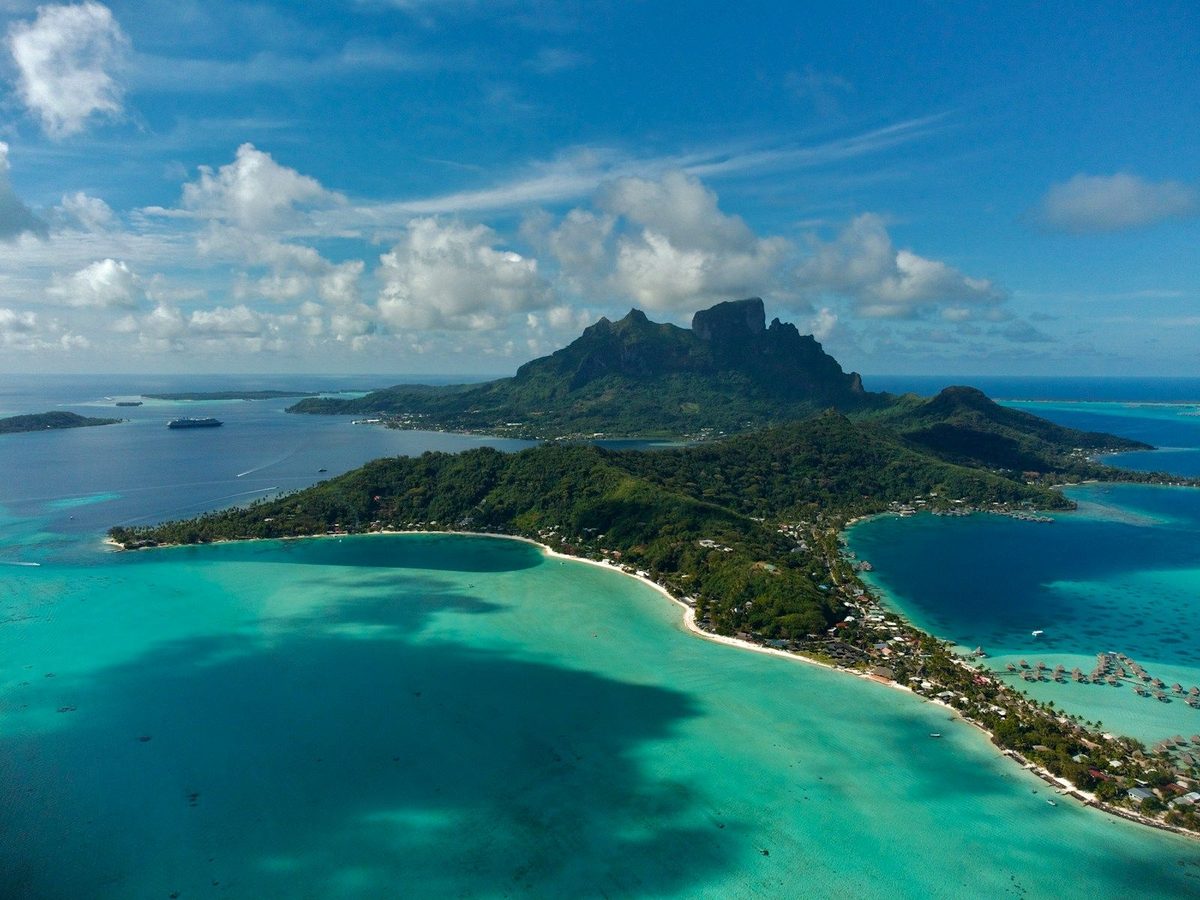
Tahiti’s markets and coasts → Moorea’s twin bays and lagoon → Bora Bora’s Mount Otemanu finale.
Why This Trip Works
- Three islands, one coherent arc: culture and arrival logistics on Tahiti, active scenery on Moorea, then a slower lagoon finish on Bora Bora.
- Realistic transfer days: the Tahiti–Moorea ferry is short; Moorea–Bora Bora is planned as a domestic connection via Tahiti rather than a fantasy direct hop.
- Room to splurge once: you can keep Tahiti and Moorea comfortable, then spend on a lagoon-view room or overwater bungalow in Bora Bora if that is the priority.
- Breathing room built in: transfer days stay light, and Day 7 keeps one main excursion rather than stacking boat trips.
Who Is This Trip For?
This journey suits couples, honeymooners and travellers planning a special island holiday who want lagoons, volcanic scenery and Polynesian food without attempting every Society Island in one week.
It also works for first-time visitors who are happy to mix a hire car or organised day tours on Tahiti and Moorea with resort or hotel transfers on Bora Bora. Solo travellers can use the same route, though many activities and room rates are priced for two sharing.
Good to Know
- Currency: CFP franc (XPF). Cards are widely used at hotels and many restaurants; keep some cash for markets and smaller purchases.
- Language: French and Tahitian. English is commonly understood in tourist-facing businesses on the main visitor islands.
- Time zone: Tahiti Time (UTC−10); no daylight saving time.
- Driving: traffic keeps to the right. A hire car is useful on Tahiti and Moorea; less essential on Bora Bora.
- Reef and lagoon etiquette: do not stand on coral, chase wildlife or use damaging sunscreen practices; follow guides on boat trips.
- International gateway: Faa’a International Airport (PPT) on Tahiti is the hub for most arrivals and for connections to Bora Bora.
Before You Go
- Book Air Tahiti domestic flights early, especially Moorea–Tahiti–Bora Bora connections and the return to PPT.
- Check current Tahiti–Moorea ferry schedules with the operating companies before locking Day 3.
- Decide where you will splurge — often Bora Bora — before booking every night at the same luxury level.
- If your international departure is early, plan a final night on Tahiti rather than flying out of Bora Bora the same morning.
- Review current entry requirements and travel advice for your nationality, plus airline baggage limits for domestic sectors.
Journey Overview
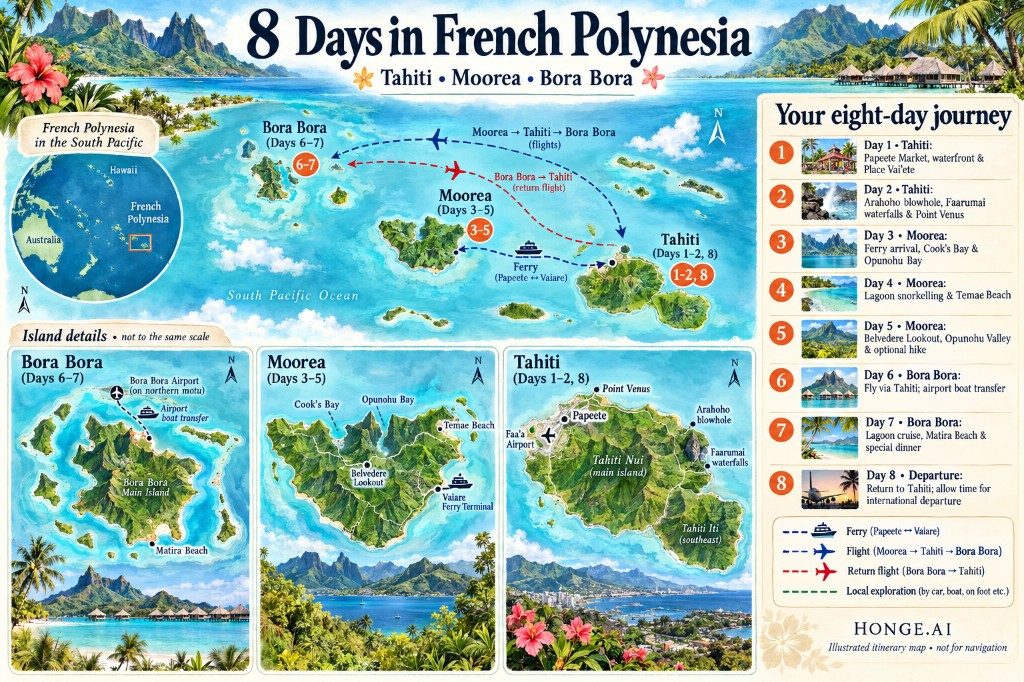
The route begins on Tahiti for arrival and a coastal day, crosses by ferry to Moorea for lagoon and mountain time, then connects by domestic flight via Tahiti to Bora Bora before returning to PPT for your international departure.
| Day | Base | Focus | Travel / getting around |
|---|---|---|---|
| Day 1 | Tahiti | Papeete Market, waterfront, Place Vai’ete and first meal | Airport transfer, then walk |
| Day 2 | Tahiti | East-coast blowhole, Faarumai waterfalls, Point Venus or black-sand beach | Hire car or organised island tour |
| Day 3 | Moorea | Ferry arrival, Cook’s Bay and Opunohu Bay | Papeete → Vaiare ferry, then car or transfer |
| Day 4 | Moorea | Guided lagoon snorkelling and Temae Beach | Boat excursion + short drives |
| Day 5 | Moorea | Belvedere Lookout, Opunohu Valley and optional hike | Hire car or guided tour |
| Day 6 | Bora Bora | Flight via Tahiti, settle into the lagoon | Domestic flights + airport boat transfer |
| Day 7 | Bora Bora | Lagoon cruise, Matira Beach and a special dinner | Organised excursion + local transfers |
| Day 8 | — | Return to Tahiti and international departure | Domestic flight + buffer to PPT |
Route Map
Day 1 — Arrive in Tahiti and Explore Papeete
After arriving at Faa’a International Airport, transfer to your accommodation in or around Papeete. Keep your first day flexible: international flights can be long, and the best way to begin a tropical holiday is without a packed schedule.
Head to Marché de Papeete, the capital’s central market, to see tropical fruit, woven baskets, pareos, vanilla, flowers and local handicrafts. If you arrive early enough, the market is particularly rewarding for its food stalls and lively atmosphere.
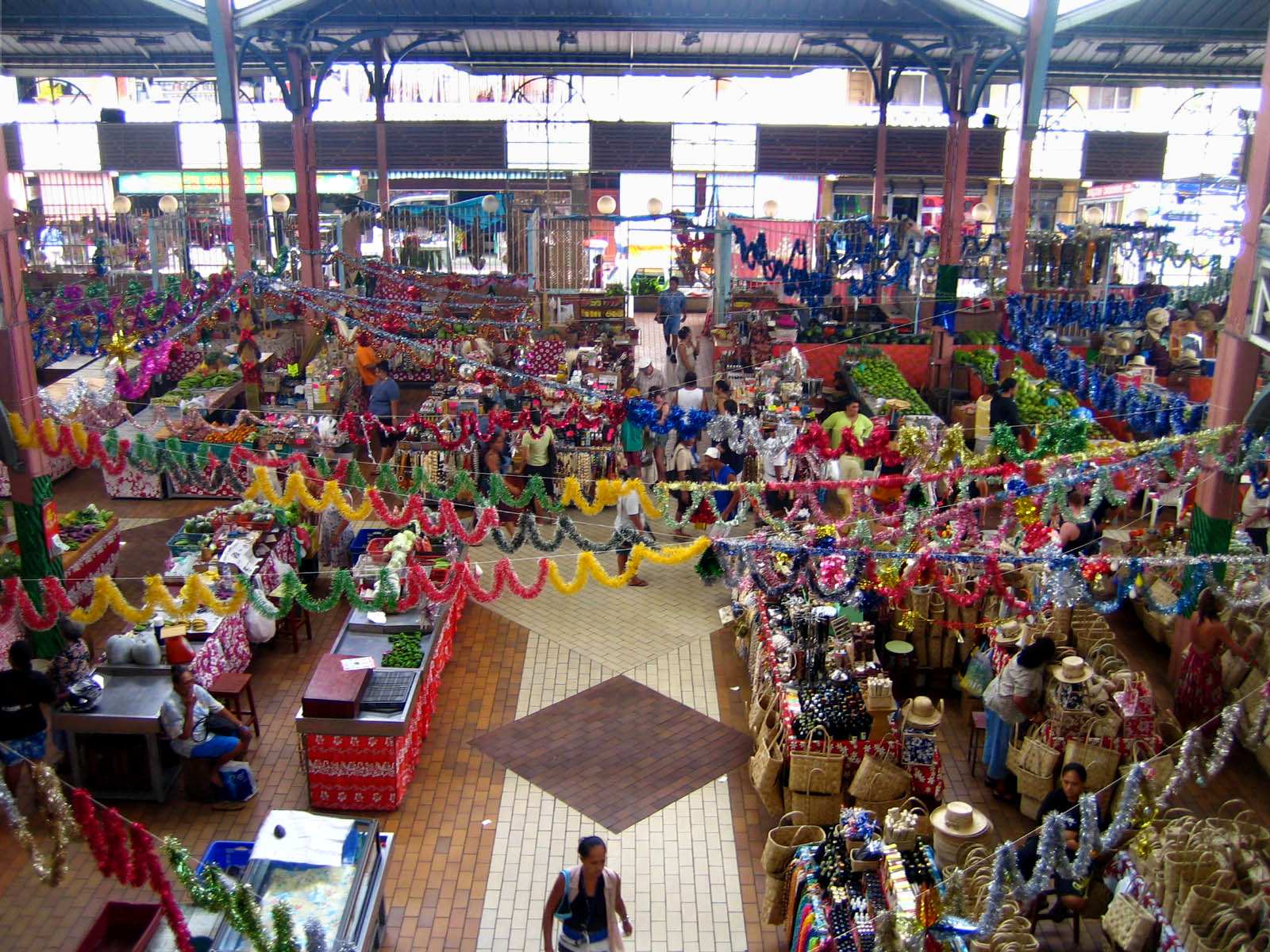
Browse for a locally made souvenir rather than rushing through. It is also a good place to try seasonal fruit and get a first taste of everyday life in Tahiti.
Walk towards the Papeete waterfront for views across the harbour, then visit Place Vai’ete, known for its evening roulottes — mobile food stalls serving generous local and international dishes. Depending on the day and opening hours, you may also explore the streets around the town centre, stopping at cafés and small shops along the way.
Try a traditional dish such as poisson cru, usually raw fish marinated with lime and combined with coconut milk and vegetables. Another local favourite is firi firi, a doughnut-like breakfast treat, often flavoured with coconut. For a relaxed first evening, choose a roulotte if available or a restaurant near your hotel. Keep the evening early if you are adjusting to the time difference.
- Food note: Look for poisson cru, grilled fish, fresh pineapple and coconut-based dishes. Menus vary, so ask about local catches and seasonal ingredients.
- Do not miss: Marché de Papeete for its colours, crafts and food stalls.
- Logistics: Stay in Papeete or nearby for easy access to restaurants and the ferry terminal. If your international flight arrives late, keep sightseeing for the following morning.
Day 2 — Tahiti’s Coastline, Waterfalls and Volcanic Scenery
Use your second day to discover the landscapes beyond Papeete. Tahiti Nui, the island’s larger north-western section, is surrounded by a coastal road, while the smaller Tahiti Iti peninsula offers a quieter, more remote feel. For an eight-day itinerary, focus on a manageable section of the island rather than attempting every attraction.
Travel towards the island’s eastern coast to see the Arahoho Blowhole, where ocean swells can send water surging through a rocky opening. Conditions vary with the sea, so admire the site from a safe distance. Continue towards the Three Waterfalls of Faarumai near Tiarei. The lush surroundings and forest paths make this a worthwhile stop, although access and trail conditions can change after heavy rain. Follow local signage and any closures.
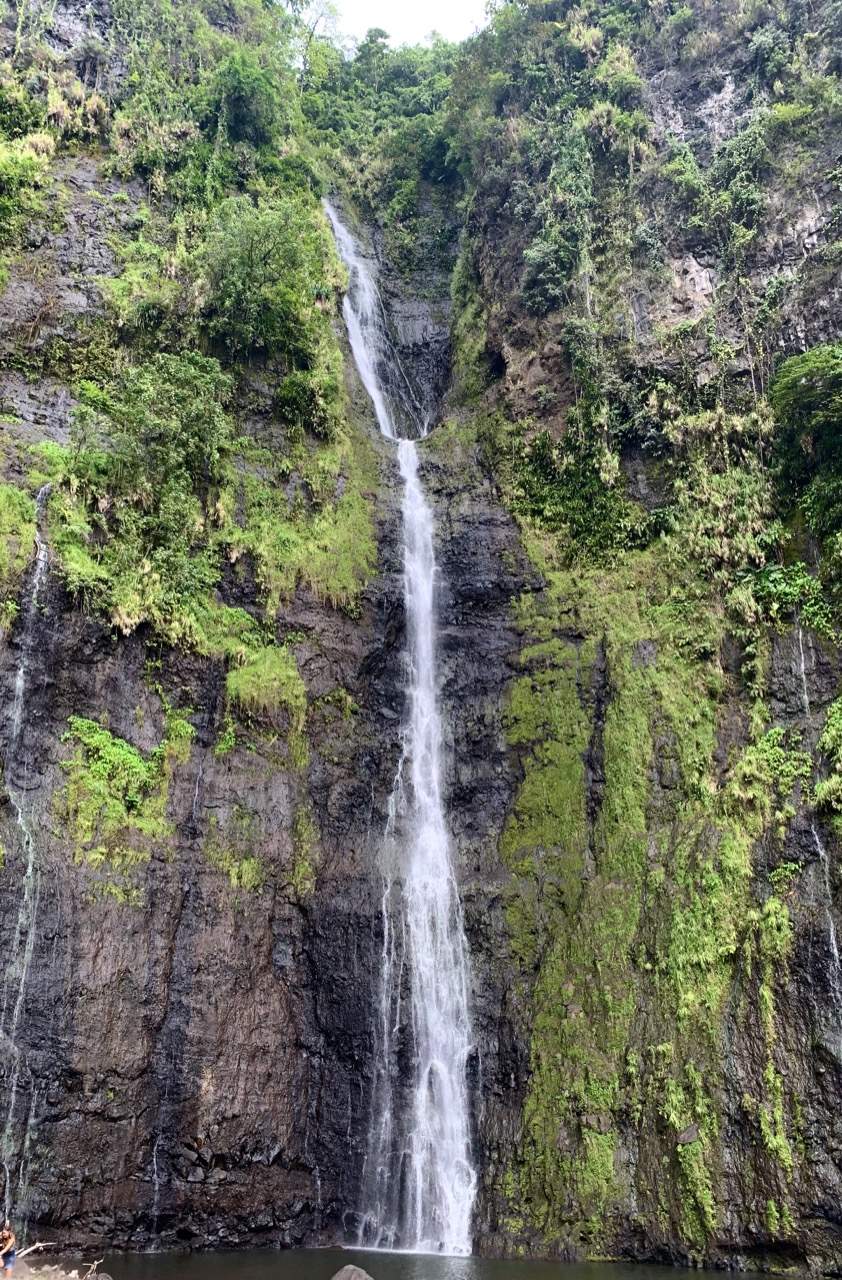
Return towards the north coast and visit Point Venus, a historically significant headland near Matavai Bay associated with early European voyages, with a lighthouse, beach and views over the water. If you prefer a more leisurely afternoon, spend time at Plage de Taharuu, a well-known black-sand beach on Tahiti’s southern coast. Swimming conditions can be powerful, so check the surf and local advice before entering the water.
Enjoy dinner in Papeete before travelling to Moorea the next day. If you would rather not drive, arrange a guided island excursion or private transfer; this makes the day easier and lets you enjoy the scenery without worrying about navigation.
- Food note: Try grilled mahi-mahi or another local fish, served with rice, vegetables or tropical fruit when available.
- Do not miss: The combination of Faarumai’s green surroundings and Tahiti’s dramatic black-sand coastline.
- Logistics: A hire car or organised excursion is the most practical way to visit these spread-out sites. Wear shoes suitable for wet paths and carry drinking water. Confirm waterfall access locally after heavy rain.
Day 3 — Ferry to Moorea and Discover Cook’s Bay
Take a passenger ferry from Papeete to Vaiare on Moorea. The crossing is short compared with a flight, and the views of the islands are part of the experience. After arriving, collect your hire car or meet your pre-arranged transfer. Check whether your accommodation is around Cook’s Bay, Opunohu Bay, Maharepa or the west coast, as this will shape your driving time.
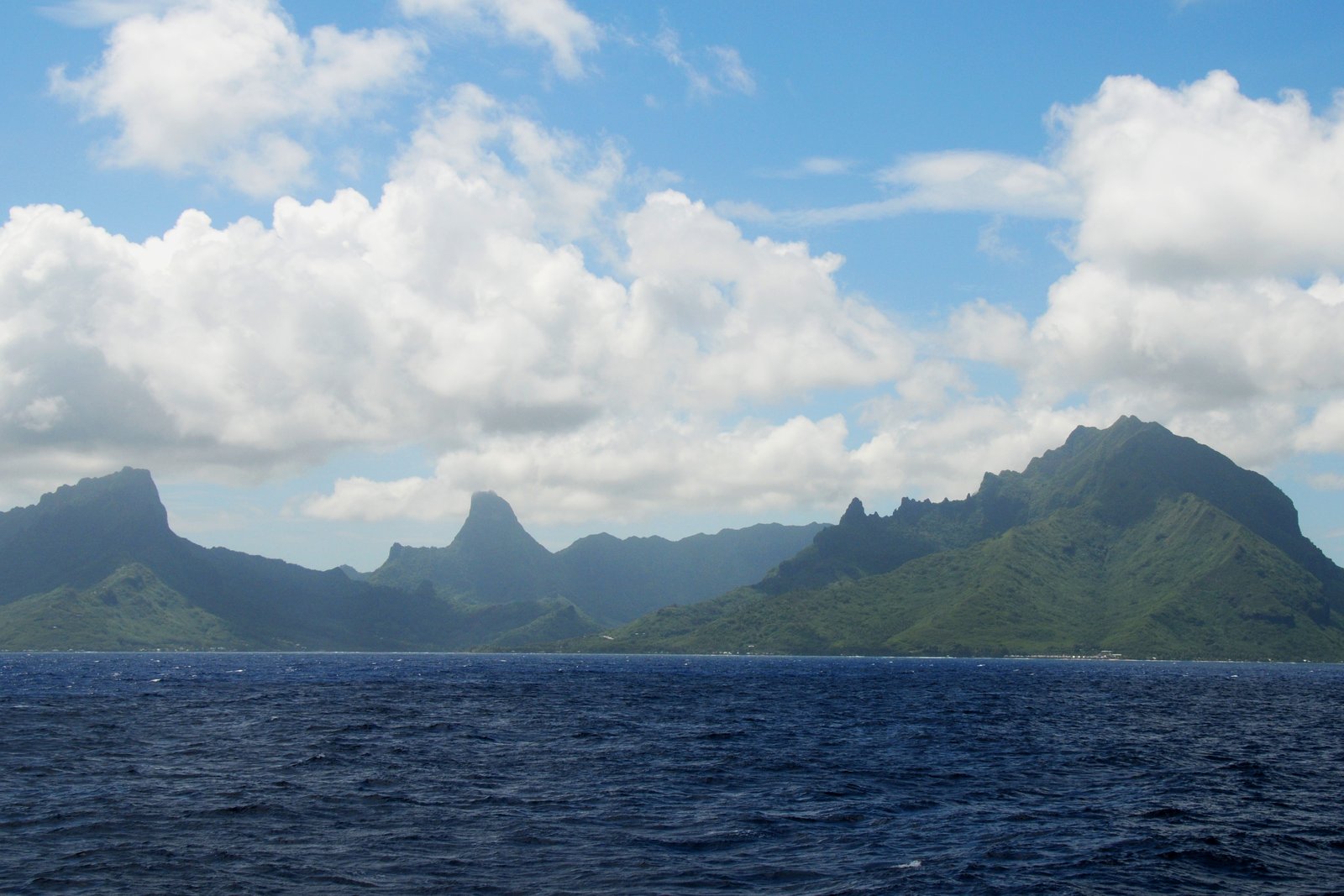
Start with Cook’s Bay, framed by steep green mountains and lined with small settlements and accommodation. Continue to Opunohu Bay, a beautiful place to pause for photographs and appreciate Moorea’s dramatic landscape. For a gentle first afternoon, choose a lagoon-side beach or book a kayak or paddleboard session through a reputable local operator. If conditions are suitable, enjoy a swim in a designated safe area.
Have dinner at your accommodation or a nearby restaurant. A bungalow or small resort with lagoon access makes it easy to finish the day outdoors, without needing to organise another excursion.
- Food note: Sample fresh fish, tropical fruit and coconut-based desserts. If you see locally grown pineapple on the menu, it is well worth trying.
- Do not miss: The mountain backdrop at Opunohu Bay, particularly when late-afternoon light catches the slopes.
- Logistics: Book the ferry in advance during busy periods and allow time to collect your vehicle. A car is useful for reaching Moorea’s viewpoints and beaches, although organised tours and taxis are alternatives.
Day 4 — Snorkelling and Moorea’s Lagoon
Today is all about the water. Moorea’s lagoon is home to coral gardens and abundant marine life, and a guided outing can help you discover the best locations for the day’s conditions.
Book a small-group boat trip with a licensed local operator. Depending on sea conditions and the route, excursions may visit coral-garden areas and shallow lagoon sites where tropical fish can be seen. Some tours offer opportunities to observe rays or reef sharks from the water. Wildlife encounters are never guaranteed, and operators should follow responsible viewing practices. Avoid touching, feeding or chasing marine animals, and use reef-safe practices that minimise environmental impact.
If you prefer to stay close to shore, ask your accommodation about safe public snorkelling areas and current conditions.
Spend the afternoon at Temae Beach, on Moorea’s north-eastern side. The beach is known for its clear water and views across the lagoon towards Tahiti on a clear day.
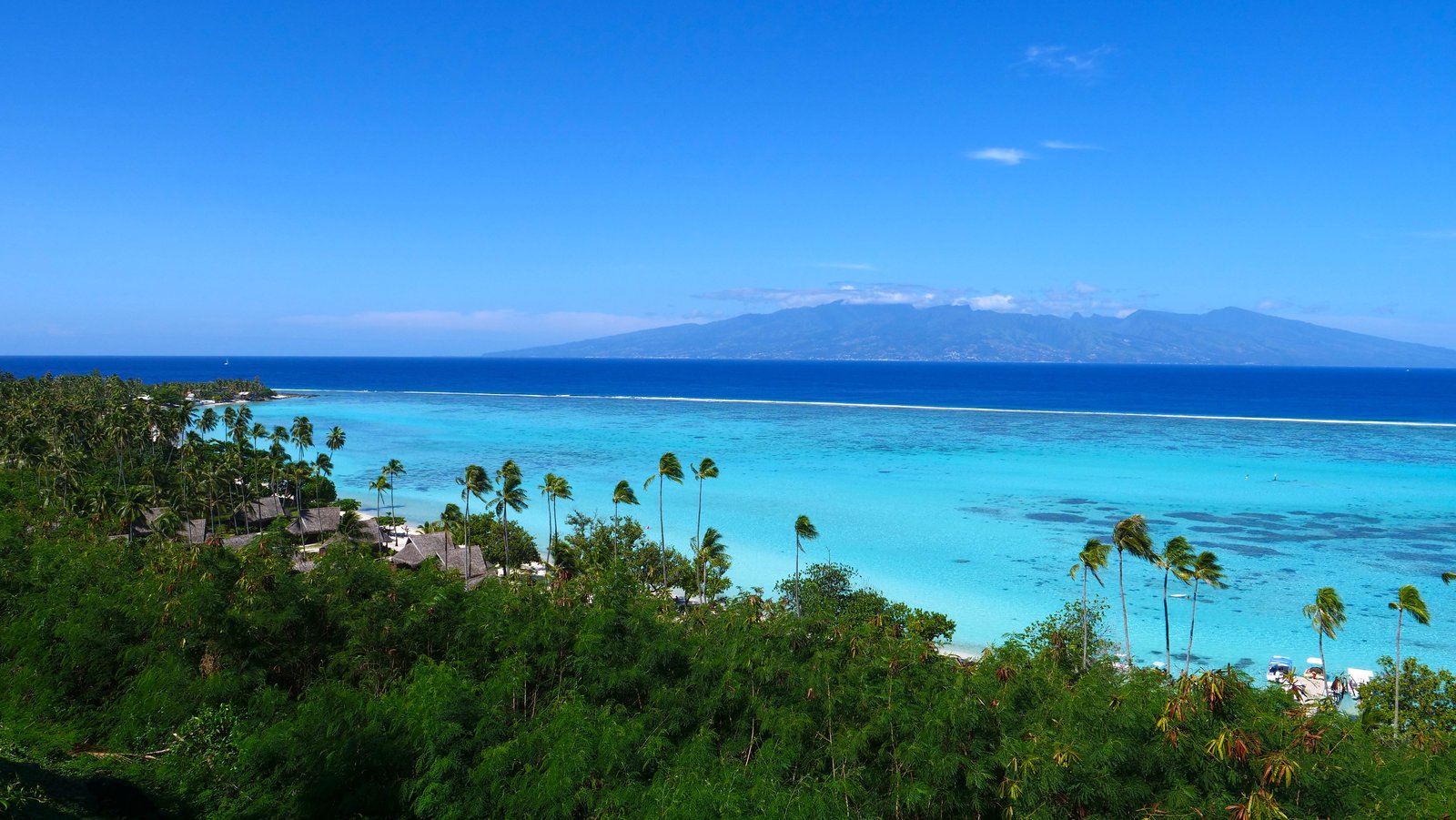
Bring water, sun protection and any snacks you need, as facilities can be limited depending on where you settle. Always pay attention to currents and local swimming guidance. Return to your accommodation for a swim, a spa treatment or an unhurried dinner. After a morning on the water, leave room for doing very little.
- Food note: Choose grilled fish, fresh salads or a simple local meal after your excursion. Take drinking water on the boat and avoid bringing single-use plastics where possible.
- Do not miss: A guided snorkelling trip in Moorea’s lagoon, followed by time at Temae Beach.
- Logistics: Reserve boat excursions ahead of time in peak season. Bring a rash vest or sun-protective swimwear, and confirm whether snorkelling equipment is included.
Day 5 — Belvedere Lookout, Pineapple Country and Moorea’s Green Interior
Moorea’s mountains are just as memorable as its lagoon. Spend today exploring the interior, where winding roads, agricultural land and forested slopes reveal another side of the island.
Drive to Belvedere Lookout, one of Moorea’s classic viewpoints. From here, the scenery opens over Cook’s Bay and Opunohu Bay, with Mount Rotui rising between them. Arrive earlier in the day if possible for a cooler visit and a better chance of clear mountain views. Clouds can gather quickly around the peaks, so treat the viewpoint as a highlight rather than a guaranteed panorama.
Continue through Opunohu Valley, known for its lush vegetation and archaeological sites. If you are interested in Polynesian history, look for marked stops associated with traditional marae, sacred ceremonial spaces. Follow signs and treat these places respectfully. You may also pass pineapple fields and agricultural areas that illustrate Moorea’s farming heritage. Only enter private land or organised farm visits where access is permitted.
For an active afternoon, choose a clearly marked trail suited to your fitness and the weather. Conditions on mountain trails can be muddy, steep and slippery after rain; consider a local guide for unfamiliar routes. If you would rather save your energy, return to the coast for a swim, a café stop or a final paddle on the lagoon.
Make this your last full evening on the island. Consider a restaurant with a lagoon or garden setting and enjoy the slower pace before travelling to Bora Bora tomorrow.
- Food note: Look for local produce, fresh fish and dishes using Moorea’s pineapple. Availability depends on the season and restaurant.
- Do not miss: Belvedere Lookout for its views over the two bays and Mount Rotui.
- Logistics: Carry water, wear proper walking shoes and check trail conditions before setting off. Fill your vehicle if needed and confirm your Bora Bora flight details before the evening ends.
Day 6 — Fly to Bora Bora and Settle into Lagoon Life
There is not usually a direct scheduled flight between Moorea and Bora Bora, so plan for a connection through Tahiti’s Faa’a International Airport. Depending on schedules, you may need to return to Tahiti the evening before or allow a generous connection. After landing at Bora Bora Airport on Motu Mute, take the transfer arranged by your hotel or accommodation. The airport is on a motu, a small reef islet, and onward travel to the main island is by boat.
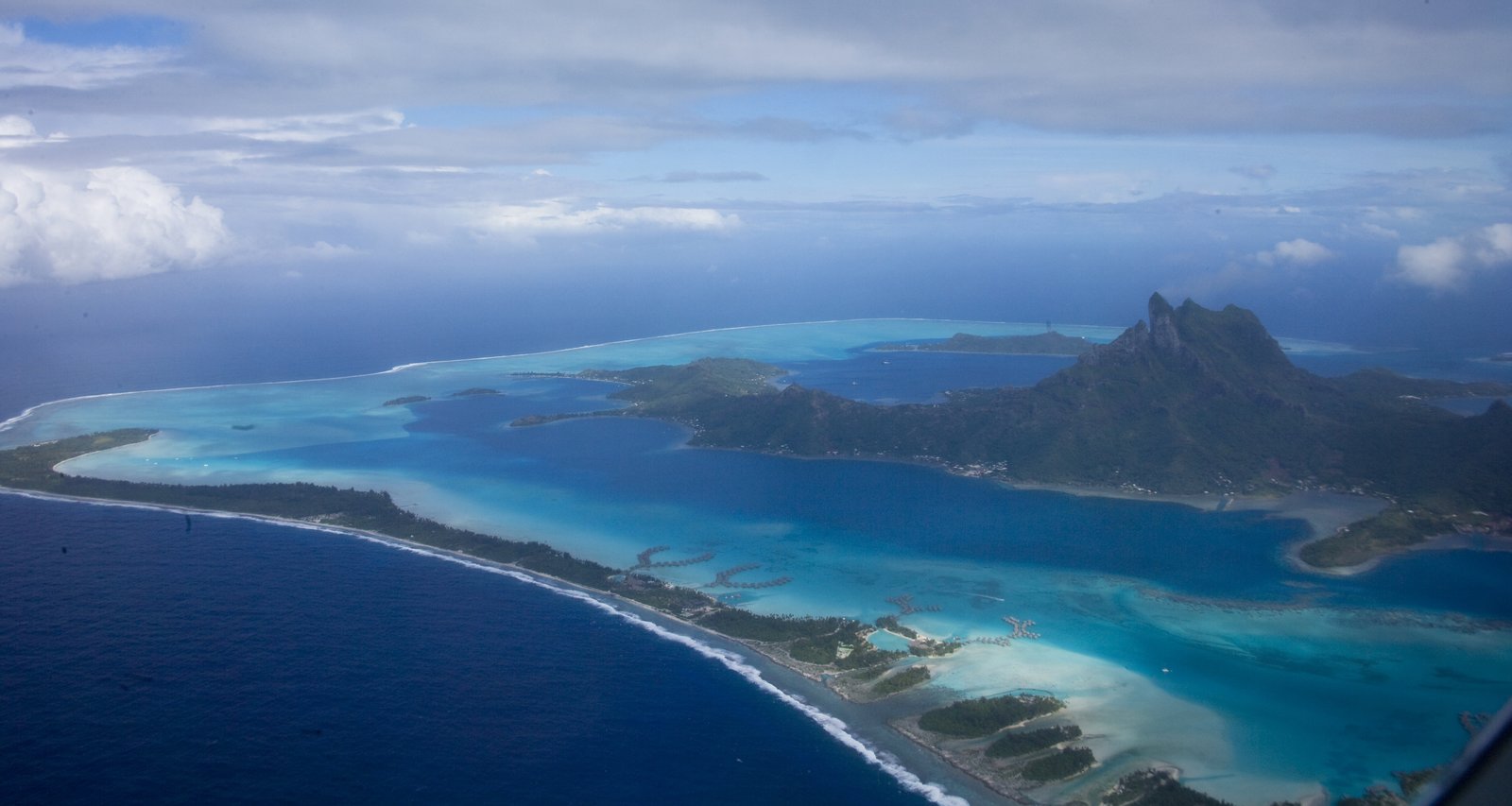
Once you arrive, take time to settle in and enjoy your surroundings. If you are staying at a resort, make the most of the beach, pool or overwater deck. If you are based on the main island, look for a lagoon-facing property or a stay with easy access to beaches and boat tours. For a gentle first outing, consider a short lagoon cruise or a swim in a safe, designated area. There is no need to book a full-day excursion immediately after travelling.
Watch the changing colours over the lagoon, with Mount Otemanu providing the iconic backdrop from many vantage points. Book a table in advance if you have a particular restaurant in mind, especially at a resort.
- Food note: Try fresh tuna, mahi-mahi or other locally available seafood. Prices at resort restaurants can be significantly higher than at casual eateries on the main island.
- Do not miss: Your first view of Bora Bora’s lagoon and Mount Otemanu.
- Logistics: Confirm the airport boat transfer and its price with your accommodation before departure. Flight connections can be limited, so avoid planning a tight international connection on the same day.
Day 7 — Lagoon Cruise, Matira Beach and a Luxury Island Evening
This is your day to enjoy Bora Bora without rushing. Choose one main activity, then leave the rest of the day open for the beach and your accommodation.
Book a guided lagoon tour that suits your interests. Depending on the operator, excursions may include snorkelling at coral gardens, scenic cruising and wildlife observation. Ask in advance what the tour includes, how many people will be aboard and whether equipment, lunch and transfers are covered. Choose an operator that respects marine life and follows responsible wildlife-viewing practices. If you prefer a private experience, a chartered boat can offer more flexibility, although it will generally cost considerably more than a shared excursion.
Head to Matira Beach, on Bora Bora’s main island. Its pale sand and shallow-looking turquoise water make it one of the island’s best-known places to unwind. Spend time swimming where conditions are safe, walking along the shore or simply finding a shady spot. Bring sun protection and drinking water, and be mindful that the sun can be intense even when a sea breeze makes the temperature feel comfortable.
If you have a vehicle or a suitable guided transfer, explore a little more of the main island, stopping at safe, accessible viewpoints when conditions permit. Alternatively, return to your resort for a spa treatment, a cocktail or an unhurried hour on your deck.
Make this your splurge evening. A sunset dinner, a table overlooking the lagoon or a private dining experience can be a memorable finale. Book early and check transfer arrangements if the restaurant is away from your accommodation.
- Food note: If you want a more budget-conscious meal, consider eating on the main island rather than relying exclusively on resort dining. Check restaurant opening days and arrange return transport in advance.
- Do not miss: A lagoon excursion in the morning and time at Matira Beach in the afternoon.
- Logistics: Confirm excursion pick-up times, transfers and cancellation terms. For snorkelling, bring sun-protective clothing and follow your guide’s instructions.
Day 8 — Return to Tahiti and Depart
Enjoy a final breakfast, take a last look at the lagoon and transfer to Bora Bora Airport for your domestic flight to Tahiti.
A same-day international connection may be possible if the domestic and international schedules align, but do not assume that it will. Leave a generous buffer and confirm your airline’s connection requirements before booking. If your international flight leaves early, consider spending the final night on Tahiti instead of Bora Bora. This adds a hotel transfer and may change the distribution of nights, but it reduces the risk of missing an international departure because of a delayed or rescheduled inter-island flight.
If time permits on Tahiti, enjoy a relaxed meal or a final walk around Papeete before heading to the airport.
- Food note: Have breakfast before travelling and carry a snack in case your connection leaves little time to eat.
- Do not miss: Give yourself enough time to savour the final morning instead of turning departure day into a race.
- Logistics: Confirm both flight schedules, baggage rules and airport transfer arrangements. For international departures, a buffer night in Tahiti is the safer option when flight timings are tight.
Where to Stay in French Polynesia
Your accommodation choices will shape both the feel and the budget of this trip. A useful strategy is to spend on the experience that matters most to you — perhaps a lagoon-view room on Moorea or an overwater bungalow in Bora Bora — rather than choosing the most expensive option on every island.
Tahiti: Papeete and the surrounding coast
- Stay in or near Papeete if you want easy access to the market, restaurants, the waterfront and the Moorea ferry. It is a practical base for a short stay. For a more resort-like setting, consider accommodation along the coast outside the centre, but check transfer times and whether you will need a hire car.
Moorea: Cook’s Bay, Opunohu Bay or the west coast
- Moorea has guesthouses, holiday bungalows and resorts. Cook’s Bay and Opunohu Bay offer dramatic scenery, while the west coast provides access to sunset-facing accommodation and beaches. Choose somewhere with easy access to the activities you care about most. If you plan to snorkel and hike, a central location or a hire car can make the island much easier to explore.
Bora Bora: Main island or an outer motu
- The main island can be a good choice for access to Matira Beach, local shops and casual dining. Resorts on outer motu offer a more secluded experience, often with overwater bungalows and boat transfers. Before booking, check whether the quoted price includes breakfast, airport transfers, resort fees or activities. These extras can make a substantial difference to the total cost.
Getting Around French Polynesia
Transport is one of the most important parts of planning an eight-day trip. The islands are close on a map, but flights, ferry schedules and accommodation transfers determine how much time you will actually have.
| Journey | Best option | Planning note |
|---|---|---|
| Tahiti to Moorea | Passenger ferry | A short crossing from Papeete to Vaiare; check departure times and baggage rules with Tahiti–Moorea ferry operators. |
| Moorea to Bora Bora | Domestic flight via Tahiti | A direct scheduled flight is not usually available; allow for a connection and check current Air Tahiti schedules. |
| Bora Bora to Tahiti | Domestic flight | Book around your international departure and allow a generous buffer. |
| Tahiti sightseeing | Hire car or organised tour | Useful for visiting sites beyond Papeete. |
| Moorea sightseeing | Hire car, guided tour or pre-arranged transfers | Helps reach viewpoints, bays and beaches. |
| Bora Bora transfers | Hotel boat transfer, local transport or organised excursion | Confirm prices and pick-up arrangements in advance. |
Check the official schedules for Air Tahiti and the Tahiti–Moorea ferry operators before locking in your itinerary. Schedules and fares can change, and the order of travel may need adjusting around available flights. Tahiti Tourisme is a useful starting point for island overviews and practical planning links.
Best Time to Visit French Polynesia
- May–October: often considered the drier, cooler period, with comfortable conditions for hiking, sightseeing and lagoon activities. It is also a popular travel season, so book sought-after accommodation early.
- November–April: generally warmer and more humid, with a greater chance of rain and tropical weather systems. There can still be sunny spells, but flexibility is important.
For many travellers, May, June, September and October offer an appealing balance of weather and travel conditions. However, conditions vary by year, and no month guarantees clear skies every day. If you are travelling for a honeymoon or a special occasion, choose your dates around accommodation availability and flight schedules as well as weather. Always check marine conditions before snorkelling, boating or hiking.
What to Eat in French Polynesia
Food is an important part of the experience, combining Polynesian ingredients and traditions with French and other culinary influences.
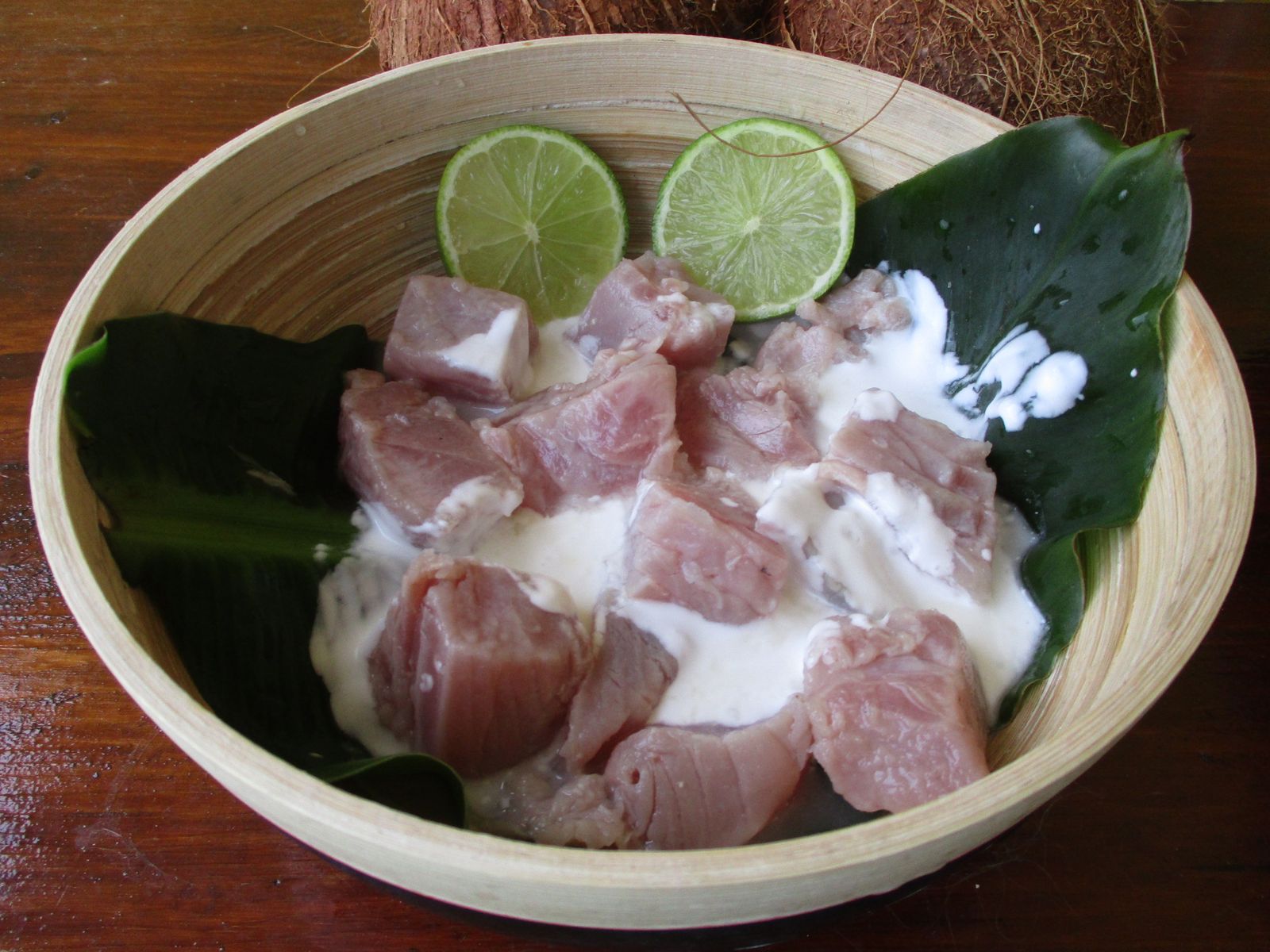
| Food | What to expect |
|---|---|
| Poisson cru | Raw fish marinated with lime and typically mixed with coconut milk and vegetables |
| Mahi-mahi and tuna | Commonly found on menus, prepared grilled or in other styles |
| Firi firi | A coconut-flavoured doughnut-style treat, often eaten at breakfast |
| Tropical fruit | Pineapple, papaya, mango when in season, and other locally available fruit |
| Tahitian vanilla | A distinctive local product worth looking for in desserts and shops |
| Roulotte meals | Food trucks and mobile stalls, particularly around Papeete, offering a casual way to sample a range of dishes |
In Bora Bora, resort dining can be expensive, so mix a special dinner with more casual meals when practical. On all three islands, ask about local catches and seasonal produce rather than expecting every dish to be available everywhere.
French Polynesia Budget: Realistic Costs for 8 Days
French Polynesia is an expensive destination, especially if you choose luxury resorts and overwater bungalows. The following are indicative planning estimates per person in US dollars, assuming two people sharing a room, and excluding international flights to and from French Polynesia.
| Travel style | Approximate 8-day budget per person | What it might include |
|---|---|---|
| Comfortable, value-conscious | US$2,000–3,200 | Guesthouses or simpler hotels, ferry travel, selected domestic flights, casual meals and a few paid activities |
| Mid-range island holiday | US$3,200–5,500 | Comfortable hotels or bungalows, domestic flights, some restaurant meals and several lagoon or island excursions |
| Luxury-focused | US$6,000–12,000+ | High-end resorts, selected premium rooms or an overwater-bungalow stay, private or premium excursions and resort dining |
These are broad estimates, not live quotes. Actual costs vary considerably by travel dates, room type, baggage, flight availability, meal choices and the number of excursions you book. A luxury overwater bungalow can push the total well above the upper range.
Where your money goes
- Accommodation: usually the largest variable, particularly in Bora Bora.
- Domestic flights and transfers: book early and compare the total cost, including boat transfers and baggage.
- Food and drink: resort dining and imported products can be expensive; casual restaurants and roulottes can help balance the budget.
- Excursions: lagoon cruises, snorkelling trips, private boats and guided hikes all add to the total.
- Local transport: include hire cars, fuel, taxis and transfers when comparing accommodation options.
For a more accurate estimate, price the actual travel dates before deciding how much to spend on a premium room. A single two-night overwater-bungalow stay can deliver the special-occasion feel without requiring every night to be at a luxury resort.
What to Book Ahead
- Book the island flights first — domestic flights between Tahiti and Bora Bora have a major influence on your itinerary.
- Protect your final international connection with a buffer night on Tahiti when departure times are early or connections are limited.
- Choose accommodation by location, not just photographs; check transfers, inclusions and nearby dining.
- Reserve popular lagoon excursions and any private boat trips in advance, particularly during busy periods.
- Pack for sun, rain and the water: reef-conscious sun protection, a hat, swimwear, a rash vest, sandals, walking shoes and a light rain layer.
- Respect the lagoon and local culture: use designated access points, follow guides’ instructions and treat marae sites carefully.
- Confirm passport, entry and transit requirements, airline baggage limits and insurance coverage for water sports and hiking.
Leave cafés, beach hours and smaller sightseeing stops flexible.
Extending Your Trip: 10, 12 or 14 Days in French Polynesia
This 8-day route is the Tahiti–Moorea–Bora Bora core. Extra days work best as a second island block or a longer lagoon stay, not squeezed between the same seven nights.
10 days: Huahine, Raiatea or Taha’a — or longer Bora Bora
Keep this itinerary, then add two nights for a quieter Society Island such as Huahine, or a base around Raiatea and Taha’a for vanilla country and lagoon scenery. Alternatively, simply extend Bora Bora by two nights so Matira Beach and boat days do not share the same transfer window. Do not treat Huahine as a casual same-day add-on from Moorea.
12 days: a Tuamotu atoll
Add buffer on Moorea or Bora Bora, or fly onwards to an atoll such as Rangiroa or Fakarava for snorkelling and diving focused on pass and lagoon life. Keep Tahiti and Moorea intact so the culture and mountain days do not get rushed into airport transfers.
14 days: a wider Society Islands or Tuamotu link
A fortnight can hold this 8-day core plus a dedicated second island block — for example Huahine with Raiatea/Taha’a, or a longer Tuamotu stay — with clear domestic-flight days between bases. Treat each extra island as its own base rather than a checklist of one-night hops.
Key Places and Exact Locations
- Papeete: Days 1–2 and departure
- Marché de Papeete: Day 1
- Place Vai’ete: Day 1
- Arahoho Blowhole: Day 2
- Faarumai waterfalls: Day 2
- Point Venus: Day 2
- Cook’s Bay: Days 3–5
- Opunohu Bay: Days 3 and 5
- Temae Beach: Day 4
- Belvedere Lookout: Day 5
- Bora Bora: Days 6–7
- Matira Beach: Day 7
- Mount Otemanu: Days 6–7
Useful Links
- Tahiti Tourisme
- Air Tahiti (domestic flights)
- UK travel advice: French Polynesia
Ferry schedules, domestic flight times, attraction access and entry requirements may change. Confirm details with the relevant official source before travelling. For the Tahiti–Moorea crossing, check the current operators’ timetables rather than relying on older printed guides.
FAQs
How many days in French Polynesia is enough?
Eight days is enough for a first highlights trip covering Tahiti for culture and coasts, Moorea for lagoon and mountain scenery, and Bora Bora for a lagoon finale, with two, three and two nights respectively. Skip outer-island atolls and a long Bora Bora stay in this window; add them if you have 10 to 14 days.
Is eight days enough for Tahiti, Moorea and Bora Bora?
Yes. Eight days is enough for a highlights trip, with two nights on Tahiti, three on Moorea and two on Bora Bora. It will feel relatively active on transfer days, so keep excursions flexible and avoid packing every afternoon.
Should I visit Bora Bora first or last?
For this route, visiting Bora Bora after Moorea works well as a relaxing finale. However, your flight schedules may make a different order more practical. Prioritise reliable connections over a rigid island sequence.
Do I need to stay in an overwater bungalow?
No. Overwater bungalows are an iconic part of Bora Bora’s appeal, but they are not essential to enjoy the lagoon. You can have a wonderful trip from a comfortable guesthouse, hotel or beachside property, then use your budget for a boat trip or a special dinner.
Is French Polynesia good for snorkelling beginners?
It can be, provided you choose suitable conditions and locations. A guided trip can help beginners find appropriate sites and understand local currents. Always follow safety advice and do not snorkel alone in unfamiliar water.
Is a hire car necessary?
Not everywhere. In Papeete, you can explore the centre on foot and use transfers for selected trips. A car is useful on Tahiti and Moorea for independent sightseeing, while Bora Bora transport often revolves around accommodation transfers, local transport and organised excursions.
What currency is used in French Polynesia?
French Polynesia uses the CFP franc (XPF). Confirm card acceptance and ATM access for your chosen islands, and carry some cash for small purchases where needed.
What is the best time to visit French Polynesia for this itinerary?
May to October is often the drier, cooler period and suits hiking, sightseeing and lagoon activities. May, June, September and October are especially practical for many travellers. November to April is warmer and more humid, with a greater chance of rain.
How do you get from Moorea to Bora Bora?
A direct scheduled flight is not usually available. Plan a domestic flight connection through Tahiti’s Faa’a International Airport, allow generous connection time, and check current Air Tahiti schedules before booking hotels.
Should I spend the final night on Tahiti?
Yes, if your international flight leaves early or domestic connections are limited. A buffer night on Tahiti reduces the risk of missing an international departure because of a delayed or rescheduled inter-island flight.
Is French Polynesia expensive?
Yes, especially with luxury resorts and overwater bungalows. A comfortable planning range is about US$2,000–3,200 per person for eight days excluding international flights, while a mid-range island holiday is about US$3,200–5,500. Luxury-focused trips often run US$6,000–12,000 or more.
Who is this French Polynesia itinerary for?
It is designed for couples, honeymooners and travellers seeking a special island holiday, with suggestions for both comfortable stays and splurge-worthy experiences rather than a packed checklist.
Prompts to Try in Honge
- Plan an 8-day French Polynesia trip for a honeymoon with two nights on Tahiti, three on Moorea and two on Bora Bora.
- Build a Moorea day around Belvedere Lookout, Opunohu Valley and a lagoon snorkel without overpacking the afternoon.
- Compare a Bora Bora main-island stay with an outer-motu resort for two nights on a mid-range budget.
- Add a buffer night in Papeete before an early international flight from this itinerary.
- Extend this route to 12 days with Rangiroa or Fakarava after Bora Bora.
- Find the best foods to try in Papeete, including poisson cru and roulotte dinners.
Ready to Start Your Adventure?
Eight days in French Polynesia offers a beautiful balance of discovery and indulgence. Tahiti introduces you to local markets, food and island history. Moorea brings you into a world of green volcanic peaks, scenic viewpoints and clear-water adventures. Bora Bora provides the classic lagoon setting for a slower, more luxurious finish.
The key is to leave breathing room in the itinerary. Spend time looking across the water, linger over a meal, and choose a few meaningful experiences rather than trying to do everything. With flights and transfers planned carefully, this journey can feel both adventurous and wonderfully restorative.
If you are planning your own French Polynesia escape, you can customise this itinerary, adjust the pace and create your personal travel plan with Honge AI.
Ready for lagoons, volcanic peaks and island hopping?
Plan your French Polynesia trip with Honge
Keep Tahiti, Moorea and Bora Bora as bases, then shape ferry times, domestic flights and where you want to splurge.
Related itineraries
Written by
This blog was contributed by B. Sai Nikita, a travel enthusiast and writer. B. Sai Nikita can be reached at bsainikita10@gmail.com.
About Honge
Honge is an AI travel planning platform focused on practical, experience-led itineraries with realistic pacing and logistics. All blog content is edited and published by Honge. Our French Polynesia research draws on updated practical logistics as of October 2026. © Honge. All rights reserved.
Image credits: Photos are sourced from Unsplash and Wikimedia Commons. Copyright remains with their respective photographers and rights holders. Unsplash images are used according to the Unsplash License. Wikimedia Commons images are used according to their applicable license terms: CC BY 2.0, CC BY 3.0, CC BY-SA 3.0 or CC BY-SA 4.0.
Travel disclaimer
This itinerary is intended as general travel inspiration and planning guidance only, not as personalised travel, safety, swimming, boating or medical advice. Ferry schedules, Air Tahiti domestic flights, waterfall access, trail conditions and lagoon marine conditions shift with weather, season and operator availability. Moorea–Bora Bora travel usually requires a connection through Tahiti; do not assume a same-day international departure from PPT after a Bora Bora domestic flight. Snorkelling, blowholes and black-sand beaches involve currents, surf and reef hazards — follow local guidance and never snorkel alone in unfamiliar water. Take out comprehensive travel insurance that covers water activities, hiking and cancellation. Suggested stay areas in this article are samples only and depend on availability; in the Honge app they may appear as booking options when offered by our vendors at the time of your search. Honge is not responsible for any changes to conditions, services or experiences described in this article after the date of publication. Always follow current local guidance from operators and site authorities on the day you travel.