
Peru is one of the most rewarding family trips you can take — but it is also a trip that needs careful pacing.
Start with this itinerary
Open this route in Honge as your starting point, then shape the days, stays, and pace around how you travel.
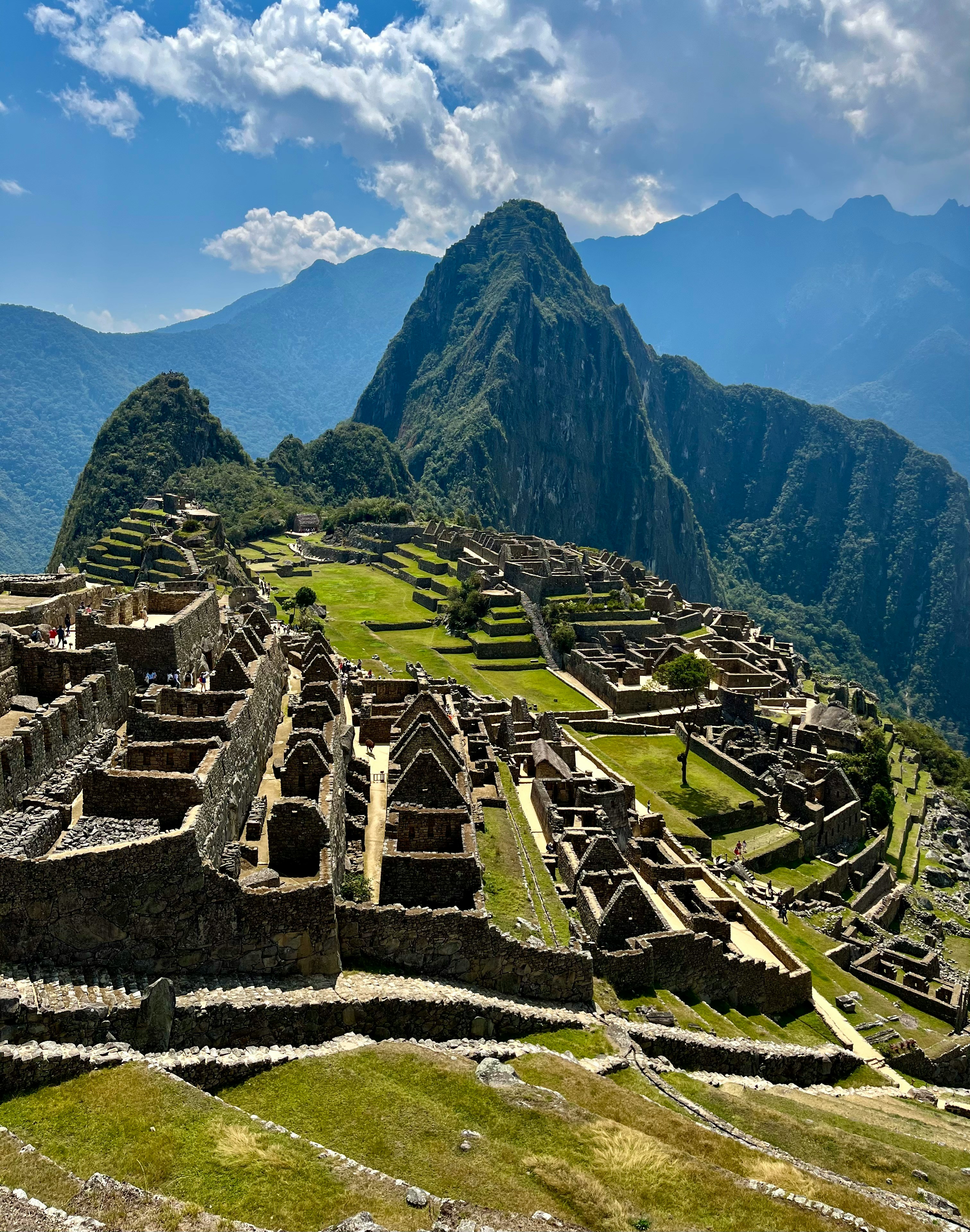
For a family of four, the challenge is not finding amazing things to do. Peru has plenty: Lima’s food scene, Pacific cliffs, colonial plazas, Inca walls, Sacred Valley ruins, train rides, mountain views, and of course Machu Picchu.
The real challenge is making the trip work without turning it into a family endurance test.
Altitude matters. Early trains matter. Hotel locations matter. Food timing matters. So does knowing when not to add one more ruin, one more transfer, or one more museum.
This 7-day Peru itinerary is built for a family of four visiting for the first time. It gives you Lima, Cusco, the Sacred Valley, and Machu Picchu — but with enough breathing room that the trip feels memorable instead of punishing.
The idea is simple:
- Lima gives the family a soft landing with food, ocean views, and neighborhoods.
- Cusco introduces altitude, history, plazas, and Inca stonework.
- The Sacred Valley slows the pace and adds scenery before Machu Picchu.
- Aguas Calientes makes the Machu Picchu morning smoother for everyone.
Why 7 Days Works for a Peru Family Trip
Seven days is short for Peru, but it is enough if the route stays disciplined.
The mistake many families make is trying to add too much: one night in Lima, one night in Cusco, one rushed Machu Picchu visit, then a sprint toward another region. On paper, it looks efficient. In real life, it often feels like airports, altitude, early trains, tired kids, and constant repacking.
This itinerary works because it gives each part of the trip a clear role.
- Lima introduces Peru through food, ocean, neighborhoods, and museums.
- Cusco gives you the cultural and historical base.
- The Sacred Valley adds scenery and a gentler transition before Machu Picchu.
- Aguas Calientes makes Machu Picchu morning smoother and less frantic.
The result is still active, but it does not feel like a checklist.
Why Family Pacing Matters in Peru
Peru is not difficult for families, but it is not a low-effort beach vacation either.
The distances, altitude, early starts, train logistics, and sightseeing intensity can add up quickly — especially when you are managing four people instead of one or two.
That is why this itinerary avoids the biggest family-travel mistake: trying to maximize every day.
Instead, it builds in:
- Two nights in Lima before altitude
- A gentle first day in Cusco
- A Sacred Valley day that breaks up the journey
- An overnight in Aguas Calientes before Machu Picchu
- A flexible final day instead of another major excursion
For families, that structure matters more than squeezing in every possible sight. The goal is not just to reach Machu Picchu. The goal is to arrive there with everyone still excited.
The Altitude Question
Altitude is the invisible logistics issue in Peru.
Lima sits at sea level. Cusco is high enough that many travelers feel the change almost immediately: slower walking, mild headaches, dry mouth, fatigue, or a general feeling that stairs are suddenly personal.
For families, altitude changes the whole rhythm of the trip. It is not just about whether one person feels fine. It is about whether everyone has enough energy for the days that matter most.
The best approach is simple: do not schedule your most physically demanding day immediately after landing in Cusco. Keep the first afternoon light. Walk slowly. Hydrate. Avoid heavy dinners and ambitious hiking. Let everyone adjust before asking the family to climb ruins and chase trains.
Flights, Trains & Moving Around Peru with a Family
For a 7-day family version of Peru, flights and trains matter more than almost anything else.
Most international travelers arrive through Lima. From there, the cleanest route is to fly from Lima to Cusco, then use a combination of private transfers, taxis, or organized tours through the Sacred Valley before taking the train toward Aguas Calientes, the town below Machu Picchu.
For families, paying for convenience in a few places can be worth it. A private transfer through the Sacred Valley, for example, can be far less stressful than managing bags, kids, taxis, and timing across multiple stops.
The practical rhythm looks like this:
- Arrive in Lima and stay two nights
- Fly from Lima to Cusco
- Acclimatize in Cusco
- Move through the Sacred Valley toward Ollantaytambo
- Take the train to Aguas Calientes
- Visit Machu Picchu the next morning
- Return to Cusco or connect onward depending on flights
It is possible to visit Machu Picchu as a same-day push from Cusco, but for a first family visit, overnighting in Aguas Calientes makes the whole experience feel less brittle.
Peruvian Food Families Should Make Time For
Peru is not just a sightseeing destination. It is a food destination in the deepest sense.
Lima especially has become one of the world’s great eating cities, but families do not need only fine dining reservations to eat well. The best Peru food memories often happen across different levels of travel: ceviche near the coast, lomo saltado after a long walk, warm bread and coffee before an early train, or a simple soup after a cool Cusco evening.
A family Peru trip should make room for:
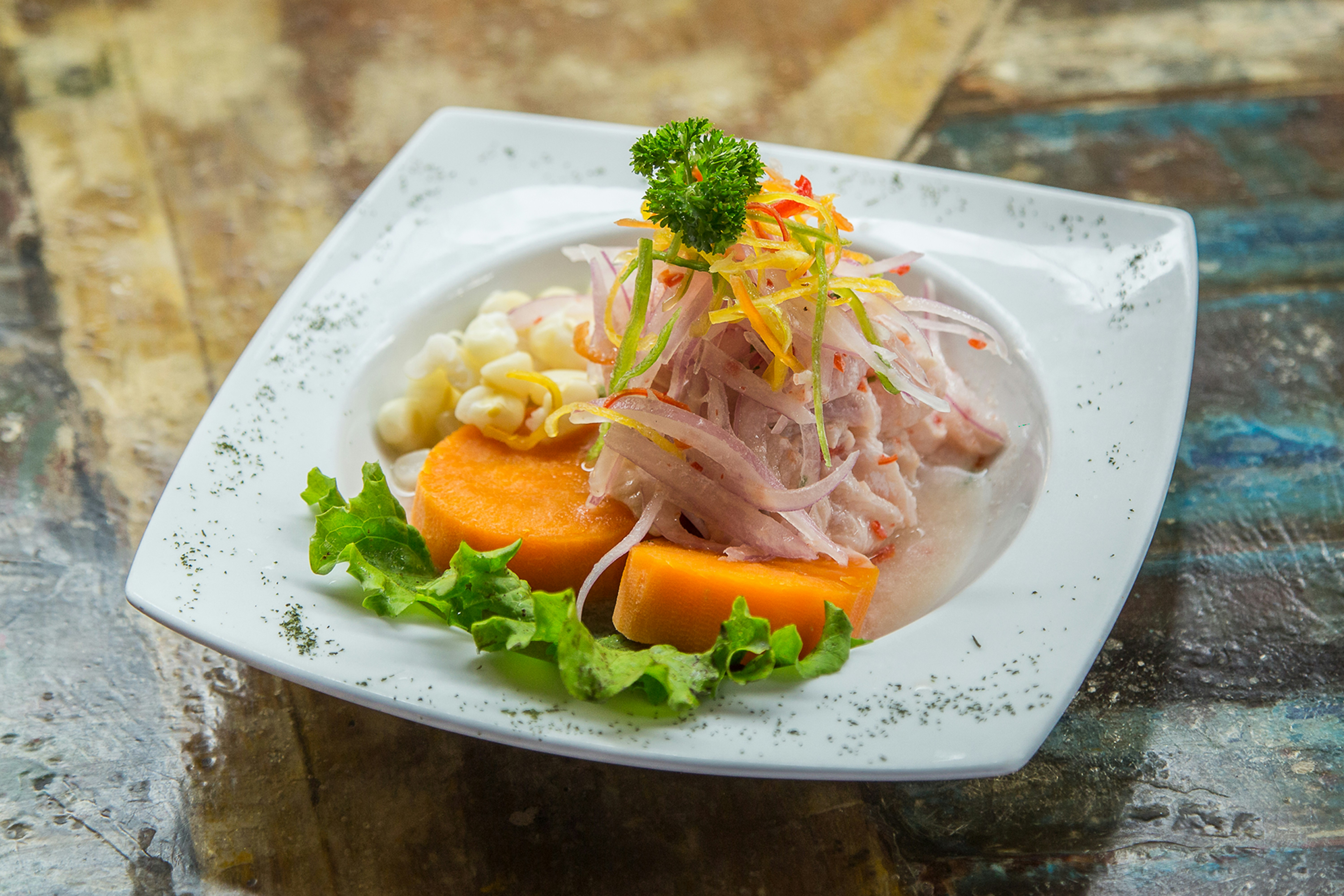
- Ceviche: the Lima essential, best eaten earlier in the day.
- Lomo saltado: beef, onions, tomatoes, fries, rice, and wok-style comfort — often very kid-friendly.
- Ají de gallina: creamy, mildly spicy chicken stew with rice and potatoes.
- Anticuchos: grilled skewers, often eaten casually and late.
- Causa: chilled layered potato dish that is much better than it sounds on paper.
- Chicha morada: purple corn drink that appears everywhere and somehow fits every meal.
Day 1 — Arrival in Lima: Ocean Cliffs, Miraflores & First Peruvian Dinner
Start in Lima, not Cusco.
After an international flight, Lima gives the family a softer landing: sea-level air, good hotels, excellent food, and neighborhoods that are easy to explore without immediately dealing with altitude.
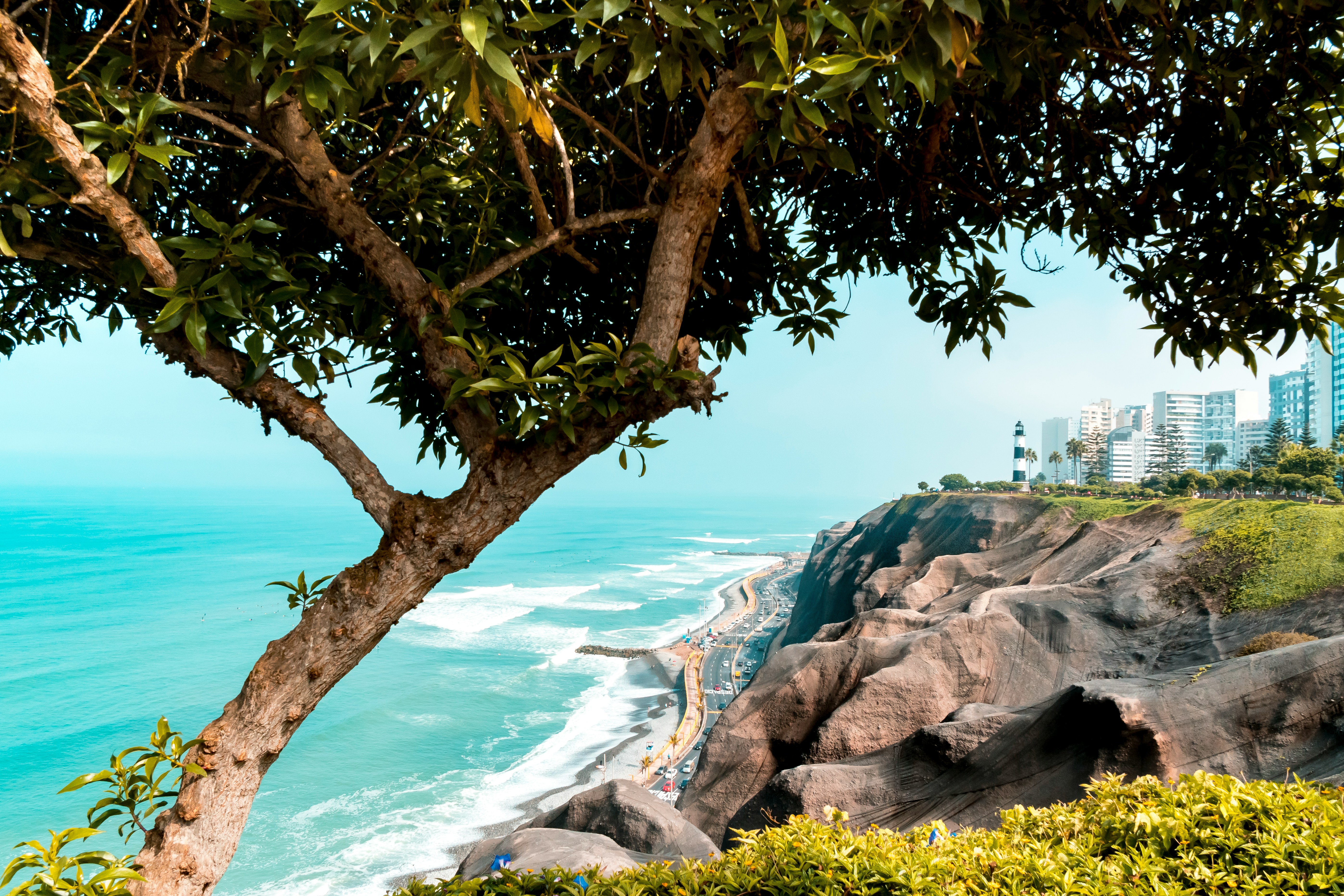
Stay in Miraflores or Barranco. Miraflores is practical, polished, ocean-facing, and easy for first-time visitors. Barranco is more artistic, romantic, and atmospheric, with colorful streets, galleries, bars, and older houses.
For the first afternoon, keep the plan simple. Walk the Malecón in Miraflores, watch the Pacific below the cliffs, visit Parque del Amor if you want the classic viewpoint, and let the trip begin slowly.
Dinner should be easy but intentional. This is the night to introduce the family to ceviche, causa, lomo saltado, or arroz con mariscos — not in a rushed “must try everything” way, but as a reminder that Peru’s food is as important as its ruins.
The first day does not need a museum, a long transfer, or a complicated restaurant crawl. It needs arrival.
Day 2 — Lima: Historic Center, Barranco & Food That Sets the Tone
Day 2 is your real Lima day.
Start with the Historic Center of Lima, especially Plaza Mayor, the cathedral area, colonial balconies, and the older streets that reveal how layered the city is. Lima is often treated as a stopover, but the historic center reminds you that this was once one of the most important colonial capitals in the Americas.
If your family likes museums, consider adding the Larco Museum because it gives useful context before you head toward Cusco and the Andes. It is the kind of museum that helps the rest of the trip make more sense.
In the afternoon, return toward Barranco. Walk slowly. Cross the Bridge of Sighs. Find a cafe, get a snack, and let the neighborhood do what it does best: turn a day of sightseeing into something warmer and more social.
This is also a good night for your best Lima meal. That could mean a serious restaurant reservation, a seafood-focused meal, or a more relaxed dinner in Barranco. The point is not to chase the most famous reservation. The point is to let Lima be Lima before the trip moves into the mountains.
Day 3 — Fly to Cusco: Slow Arrival, Plaza de Armas & San Blas
Fly from Lima to Cusco in the morning if possible.
The moment you arrive, the trip changes. The air feels thinner. The light feels sharper. The city sits in a bowl of hills, with terracotta roofs, stone walls, church towers, steep streets, and mountains surrounding everything.
Do not over-plan this day.
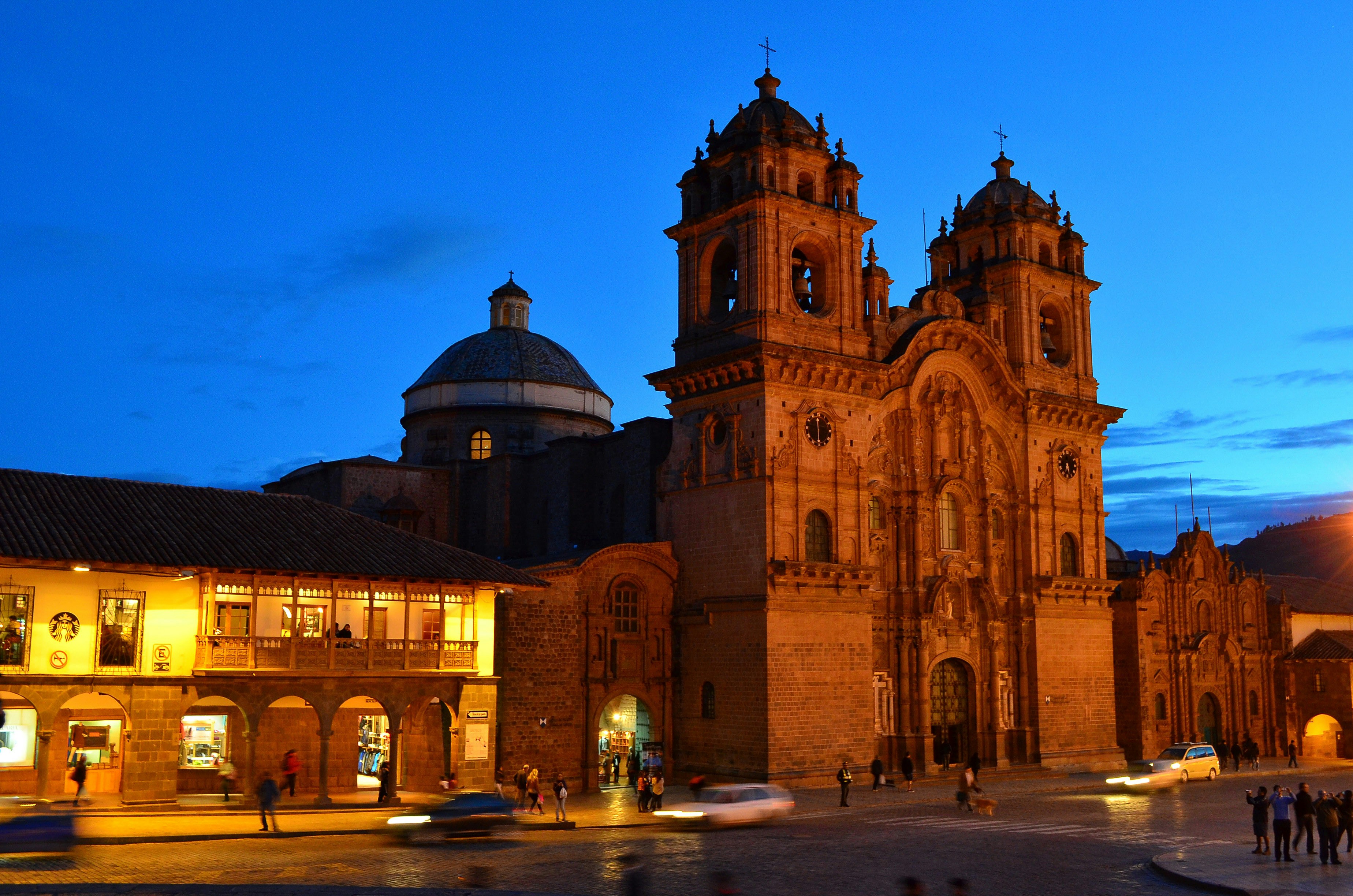
Check in, drink water, eat lightly, and take a slow walk around the Plaza de Armas. If everyone feels good, continue toward San Blas, Cusco’s hillside arts district, where narrow streets climb past workshops, cafes, galleries, and viewpoints.
But let the family’s energy decide the pace. This is not the day for aggressive sightseeing.
In the evening, keep dinner simple and close to your hotel. Cusco rewards wandering, but altitude makes ambition expensive. The goal of Day 3 is not to conquer the city. It is to arrive in it properly.
Day 4 — Cusco: Inca Walls, Qorikancha & Ruins Above the City
If Day 3 is for acclimatizing, Day 4 is when Cusco starts to open up.
Begin with the city itself. Walk through the center, pay attention to the Inca stonework built directly into the foundations of later colonial buildings, and visit Qorikancha, where Inca and Spanish architecture collide in one of the clearest ways in the city.
Cusco is not subtle about history. It layers it in front of you: Inca walls, Spanish churches, Quechua language, Catholic imagery, Andean textiles, tourist infrastructure, and daily life all occupying the same streets.
In the afternoon, visit the ruins above the city, especially Sacsayhuamán. The scale of the stonework is difficult to understand until you are standing beside it. The blocks are enormous, fitted with a precision that still feels almost unbelievable.
For kids and teens, this is often more engaging than another indoor museum because the site feels physical: huge stones, open sky, views back over Cusco, and enough space to understand the scale of what was built.
If everyone has energy, add Qenqo or nearby archaeological sites. If not, return to Cusco and give yourselves a slower evening.
This is also a good day to buy textiles carefully rather than impulsively. Cusco has plenty of tourist shopping, but the best pieces usually come with context: who made them, what fibers were used, and what the patterns mean.
Day 5 — Sacred Valley: Pisac, Ollantaytambo & Train to Aguas Calientes
Day 5 is the bridge between Cusco and Machu Picchu.
Leave Cusco in the morning and move into the Sacred Valley. The altitude often feels gentler here, and the landscape opens beautifully: mountains, rivers, terraces, villages, fields, and ruins set into slopes.
There are many ways to structure this day, but a classic family-friendly version includes Pisac and Ollantaytambo.
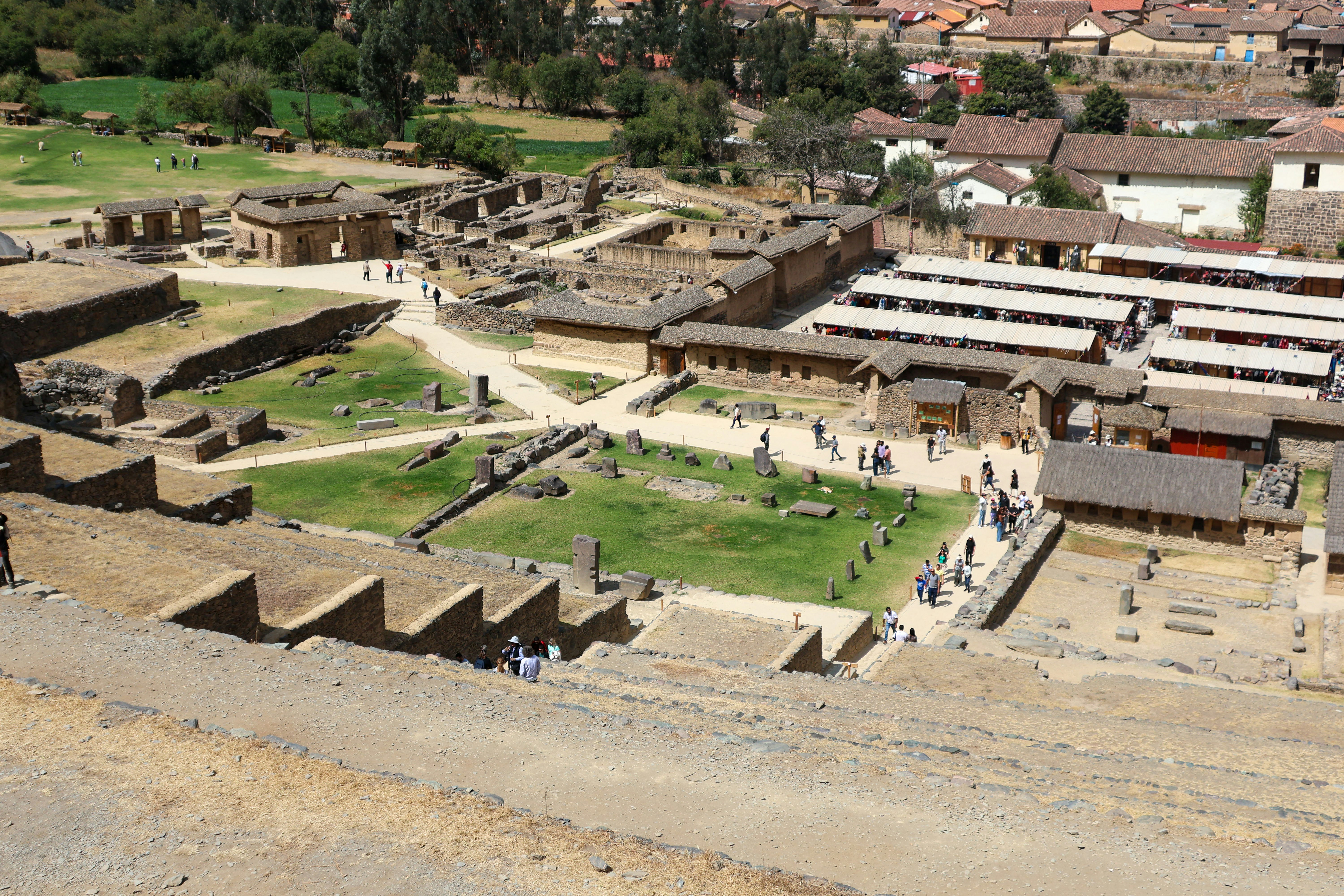
Pisac gives you terraces, views, and market energy. Ollantaytambo is different: more compact, more dramatic, and one of the best places to feel the old Inca urban layout still alive beneath modern village life.
Do not rush Ollantaytambo. Climb the fortress slowly. Look back across the valley. Notice how the town, ruins, river, and mountains all seem to fit together as one system.
From Ollantaytambo, take the train toward Aguas Calientes, the town below Machu Picchu. Arriving the night before is one of the best decisions you can make for a calmer family visit.
Aguas Calientes itself is not the highlight of Peru. It is functional, touristy, and squeezed between river and mountains. But it serves an important purpose: it lets everyone wake up already close to Machu Picchu.
Day 6 — Machu Picchu: The Morning Everything Comes Together
This is the day most families came for.
Wake early, take the bus up from Aguas Calientes, and enter Machu Picchu according to your ticket time and assigned route. This is where planning matters. Entry rules, routes, circuits, and timing can change, so confirm the current ticket type and official access details before your trip.
Once inside, slow down.
It is easy to become obsessed with getting the exact postcard photo, but Machu Picchu is more powerful when you let it unfold in layers: terraces, stone, mist, mountains, llamas grazing casually near ruins, clouds lifting and closing again, guides explaining what is known and what remains uncertain.
For kids, this is also where the story matters. Machu Picchu becomes much more interesting when it is not just “old ruins,” but a city built into mountains, with terraces, temples, water channels, paths, and mysteries that still invite questions.
A guide is worth considering here. Not because you cannot walk it alone, but because context changes what the family is seeing: temples, agricultural terraces, water systems, urban planning, astronomical alignments, and how much intelligence was built into the site’s relationship with the landscape.
After the visit, return to Aguas Calientes for lunch and take the train back toward Ollantaytambo or Cusco, depending on your schedule.
This evening should be quiet. Machu Picchu is not a day that needs a big dinner afterward. It needs space.
Day 7 — Cusco Buffer Day or Return to Lima
Keep Day 7 flexible.
If your international flight requires a Lima connection, fly back from Cusco and give yourself enough buffer. Weather, altitude, airport delays, and tight connections are not things to gamble with at the end of a family trip.
If you have a later departure or an extra night, use the day as a soft Cusco buffer. Return to San Blas. Visit a textile center. Sit in a cafe above the city. Revisit the Plaza de Armas at a different hour. Buy the one thing you kept thinking about but did not purchase earlier.
The mistake is trying to cram in another major excursion. By this point, the trip has already done what it came to do: Lima gave you food and coastline, Cusco gave you history and altitude, the Sacred Valley gave you landscape, and Machu Picchu gave you the emotional center.
Let the final day close the loop instead of opening a new one.
Where Families Should Stay on This Route
For a 7-day Peru family trip, location matters more than hotel novelty.
In Lima, stay in Miraflores if you want convenience, ocean walks, restaurants, and a polished first landing. Stay in Barranco if you want more atmosphere, nightlife, art, and a slightly more local neighborhood feel.
In Cusco, stay near the historic center or San Blas, but be honest about hills. A charming uphill hotel sounds lovely until altitude turns every staircase into a negotiation. Families should prioritize walkability, comfort, and easy access to dinner.
In Aguas Calientes, choose practicality over fantasy. You need a clean, quiet hotel close enough to make the early Machu Picchu morning easy.
What Families Should Book Before Going
Peru rewards advance planning, especially on a short family trip.
- Machu Picchu entry: book ahead and confirm the correct route/circuit for your visit.
- Train tickets: reserve the Ollantaytambo to Aguas Calientes route in advance.
- Lima to Cusco flight: morning flights give everyone more recovery time in Cusco.
- Family-friendly hotels: prioritize location, quiet rooms, and easy breakfast.
- Private Sacred Valley transfer: often worth it for families managing bags and timing.
- Any special Lima restaurant: book early if you care about a specific place.
The goal is not to remove spontaneity. It is to protect the important pieces so the trip can breathe around them.
How Honge Helps You Plan a Peru Family Trip
Peru planning gets messy quickly because the trip has layers: altitude, flights, trains, ticket windows, neighborhoods, food reservations, ruins, guides, family pacing, and timing.
This is exactly where Honge helps.
You can start with the simple idea — “7 days in Peru with Lima, Cusco, and Machu Picchu for a family of four” — and then turn it into a real workspace: places saved to a wishlist, days organized by geography, train logistics separated from sightseeing, and a plan that can be adjusted as you learn more.
Instead of keeping Peru in scattered tabs, saved reels, maps, notes, and booking sites, Honge gives the trip one place to become real.
Peru Family Prompts to Try in Honge
FAQ
Is Peru good for a family trip?
Yes, especially for families with school-age kids or teens who enjoy history, trains, food, ruins, and dramatic landscapes. The key is pacing the trip carefully around altitude and early travel days.
Is 7 days enough for a Peru family trip?
Yes, if you keep the route focused. Seven days works well for Lima, Cusco, the Sacred Valley, and Machu Picchu. It does not work well if you also try to add the Amazon, Lake Titicaca, Arequipa, and long treks.
Is Machu Picchu manageable with kids?
Yes, but it is much easier if you stay overnight in Aguas Calientes before visiting. That avoids combining too many logistics — train (~2 hours from Ollantaytambo), bus, entry time, walking, and return travel — into one exhausting day. Machu Picchu itself sits at 2,430 m (7,970 ft), which is lower than Cusco, making it more comfortable for families once acclimatized.
How should families handle altitude in Cusco?
Cusco sits at 3,400 m (11,150 ft) above sea level — high enough that most travelers feel some effect within hours of arrival. Keep the first day light, hydrate, walk slowly, avoid heavy alcohol, eat simply, and do not schedule intense hiking immediately after arrival. Ask your doctor before travel if anyone has medical concerns.
Should families spend more time in Lima or Cusco?
For a 7-day trip, two nights in Lima and the rest across Cusco, the Sacred Valley, and Machu Picchu works well. Lima gives an easier arrival, while Cusco and the Sacred Valley are the heart of the historical itinerary.
Ready to make it yours?
Customize this itinerary with AI
Now that you've seen the full route, use Honge to tailor stays, activities, and day-by-day pacing to your trip.
Related itineraries
About The Author
Honge is a travel planning platform focused on practical, experience-led itineraries. Our editorial travel stories combine route context, local friction, and planning realism so readers can convert inspiration into workable plans. We prioritize grounded detail over checklist-style travel content. Our Peru research draws on firsthand route testing, traveler feedback from families who have completed this itinerary, and ongoing review of logistics including train schedules, Machu Picchu entry circuits, and altitude guidance from travel medicine sources.
Image credits: Photos are sourced from Wikimedia Commons and Unsplash. Copyright remains with the respective photographers and rights holders. Images from Wikimedia Commons are used in accordance with their applicable licensing terms, including the Creative Commons Attribution-Share Alike 4.0 International license where noted. Unsplash images are used in accordance with the Unsplash License.
Travel disclaimer
This itinerary is intended as general travel inspiration and planning guidance only — not as personalised travel advice. Conditions change. Before you travel, check the current entry requirements, visa rules, and any travel advisories issued by your government for your destination. Review weather forecasts for your specific travel dates, confirm opening hours and ticket availability for attractions directly, and take out comprehensive travel insurance that covers medical, cancellation, and disruption. Honge is not responsible for any changes to conditions, services, or experiences described in this article after the date of publication.