Start with this itinerary
Open this 4-day Vienna itinerary in Honge as your starting point, then shape palace visits, museums, coffeehouses and an evening performance around your dates.
How Many Days in Vienna Is Enough?
Four days is an ideal introduction to Vienna. It gives you time to explore the historic centre, discover Schönbrunn Palace, admire exceptional art, enjoy a classical concert or opera, and experience the slower rhythm of Viennese café culture.
Rather than rushing from one attraction to another, this itinerary leaves room for the little moments that make Vienna memorable: a quiet garden path, a beautifully presented slice of cake, or the sound of music drifting through an elegant square.
Introduction
Vienna is a city that knows how to make everyday life feel special. Grand imperial palaces, elegant boulevards, ornate concert halls and traditional coffeehouses give Austria’s capital a distinctive atmosphere, where centuries of history sit comfortably alongside modern city life. You can spend the morning exploring a former royal residence, the afternoon lingering over coffee and cake and the evening listening to Mozart or Strauss performed in a beautiful historic venue.
This four-day itinerary focuses on imperial history, classical music, art, coffeehouses and refined city culture with practical advice on accommodation, transport, food, tickets and the best time to visit.
See the landmarks, but leave room for the atmosphere — Vienna rewards visitors who slow down.
Vienna at a Glance
- Duration: 4 days, 3–4 nights
- Destination: Vienna, Austria
- Best for: Classical music, imperial palaces, art museums, historic architecture, cafés and food
- Suggested route: Historic centre → Schönbrunn Palace → Belvedere and classical performance → Naschmarkt and local neighbourhoods
- Getting around: Walking, metro, trams and buses
- Best time to visit: April–June and September–October for comfortable sightseeing; December for Christmas markets
- Travel style: Cultural, relaxed and walkable, with time for museums, music and cafés
- Car rental: Not necessary for a four-day city break
St. Stephen’s & Old Town → Ringstrasse & coffeehouse → Schönbrunn → Belvedere & concert → Naschmarkt & neighbourhoods
Journey Overview
| Day | Focus | Highlights |
|---|---|---|
| Day 1 | Historic centre | St. Stephen’s, Graben, Ringstrasse, coffeehouse |
| Day 2 | Imperial Vienna | Schönbrunn Palace, gardens, Gloriette |
| Day 3 | Art & music | Belvedere, musical heritage, concert or opera |
| Day 4 | Local life | Naschmarkt, neighbourhood walk, farewell dinner |
Day 1: Discover Vienna’s Historic Centre
Begin your Vienna trip in the historic centre, where grand architecture, lively squares and centuries of imperial history create the atmosphere that makes the city so distinctive. The Innere Stadt, or First District, is the natural starting point. Much of its central area is best explored on foot.
Morning: St. Stephen’s Cathedral and the Old Town
Start at St. Stephen’s Cathedral, one of Vienna’s most recognisable landmarks. Its patterned roof, Gothic towers and imposing interior make it an essential first stop. Spend time exploring the cathedral before wandering through the surrounding streets.
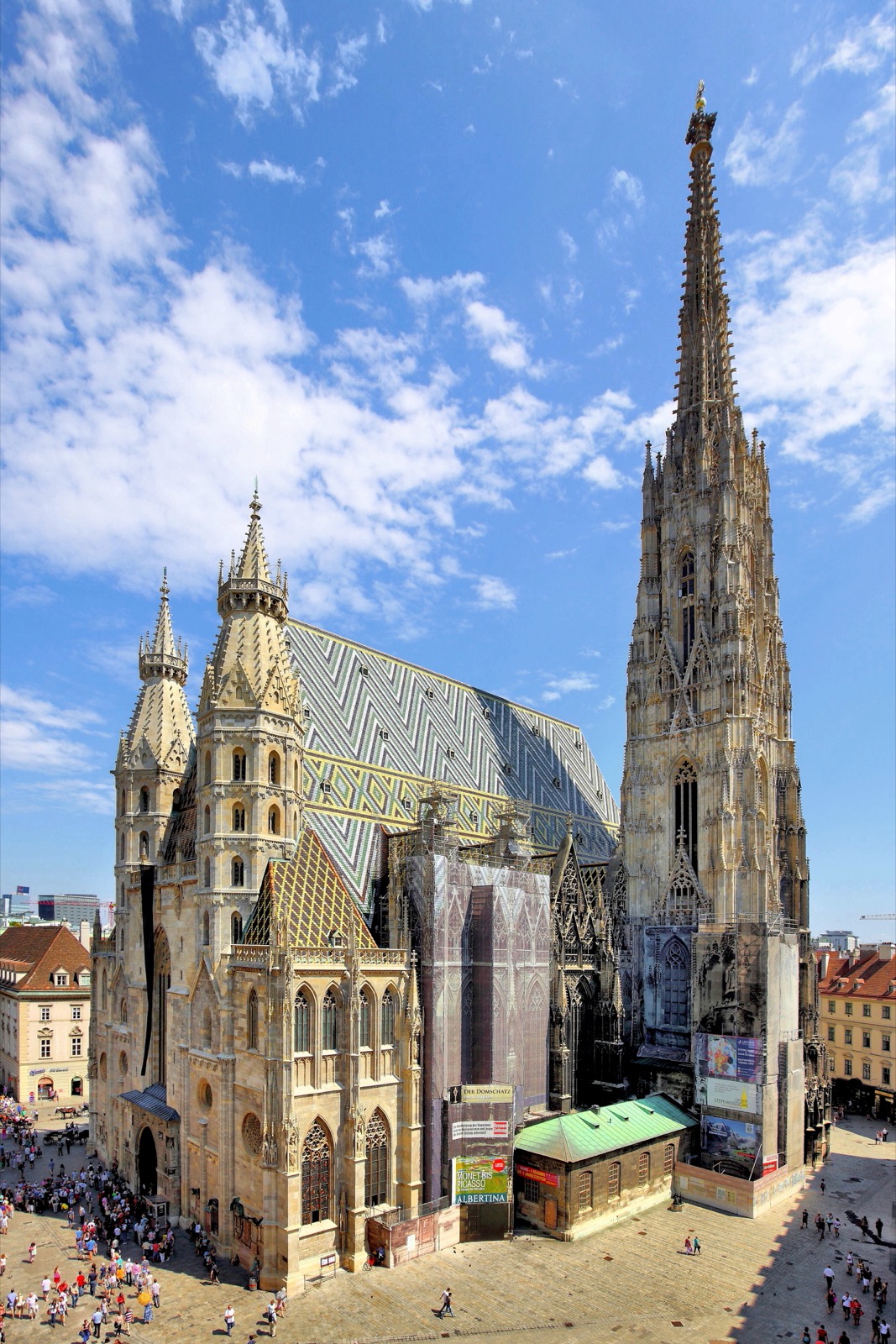
St. Stephen’s Cathedral is one of Vienna’s most recognisable landmarks and an ideal starting point for exploring the Old Town.
From here, stroll through the pedestrian-friendly streets around Graben and Kohlmarkt. Take your time rather than treating the walk as a simple route between attractions: Vienna is a city best appreciated when you notice the details. If you would like a panoramic view, consider visiting one of the cathedral’s towers, subject to opening arrangements and ticket availability.
Lunch: A Taste of Traditional Vienna
For lunch, look for a traditional Viennese restaurant serving dishes such as Wiener Schnitzel, Tafelspitz or seasonal Austrian specialities. Long-established names such as Figlmüller (schnitzel) and Plachutta (Tafelspitz) are popular, so book ahead. A relaxed sit-down meal is a good way to settle into the city’s unhurried rhythm. If you prefer something lighter, choose a soup, sandwich or savoury pastry before continuing your walk.
Afternoon: The Ringstrasse and Imperial Architecture
Spend the afternoon exploring the Ringstrasse, the grand boulevard that curves around Vienna’s historic centre. Developed during the nineteenth century, it is lined with impressive public buildings, monuments and cultural institutions. Depending on your interests, walk a section of the boulevard or use the tram to cover more ground. Look out for the Vienna State Opera, the Parliament building and the Burgtheater.
Allow time for a stroll through the nearby Burggarten or Volksgarten if the weather is pleasant.
Late Afternoon: A Classic Viennese Coffeehouse
No first day in Vienna would be complete without a traditional coffeehouse visit. Settle into a marble-topped table, order a Melange and choose a slice of cake. The famous Sachertorte is worth trying, while apple strudel is another classic option. Resist the temptation to rush: the experience is as much about the atmosphere as the coffee itself.
Well-known choices include Café Central, Demel, Café Sperl, Café Landtmann and Café Sacher at Hotel Sacher, home of the original Sachertorte. The most famous ones can have queues at peak times, so check opening hours and consider going off-peak. Nobody will hurry you: ask for the bill (“Zahlen, bitte”) when you are ready, and a tip of roughly 5–10% is customary.
Evening: A Gentle Introduction to Viennese Dining
For your first evening, choose a restaurant in or near the historic centre. If you are still feeling energetic, take an evening walk past the illuminated State Opera and the grand buildings of the Ringstrasse.
Food note: Try Wiener Schnitzel, a Viennese Melange, Sachertorte or apple strudel.
Do not miss: St. Stephen’s Cathedral, the historic streets around Graben and Kohlmarkt, the Ringstrasse architecture and your first traditional Viennese coffeehouse.
Logistics: The historic centre is easy to explore on foot. Wear comfortable shoes for cobbled streets and long walking stretches. Check cathedral tower access in advance.
Day 2: Schönbrunn Palace and Imperial Gardens
Today is dedicated to Schönbrunn Palace, one of Vienna’s defining imperial landmarks. Once a summer residence of the Habsburg dynasty, it offers an insight into the ceremony, politics and private lives of one of Europe’s most influential royal families.
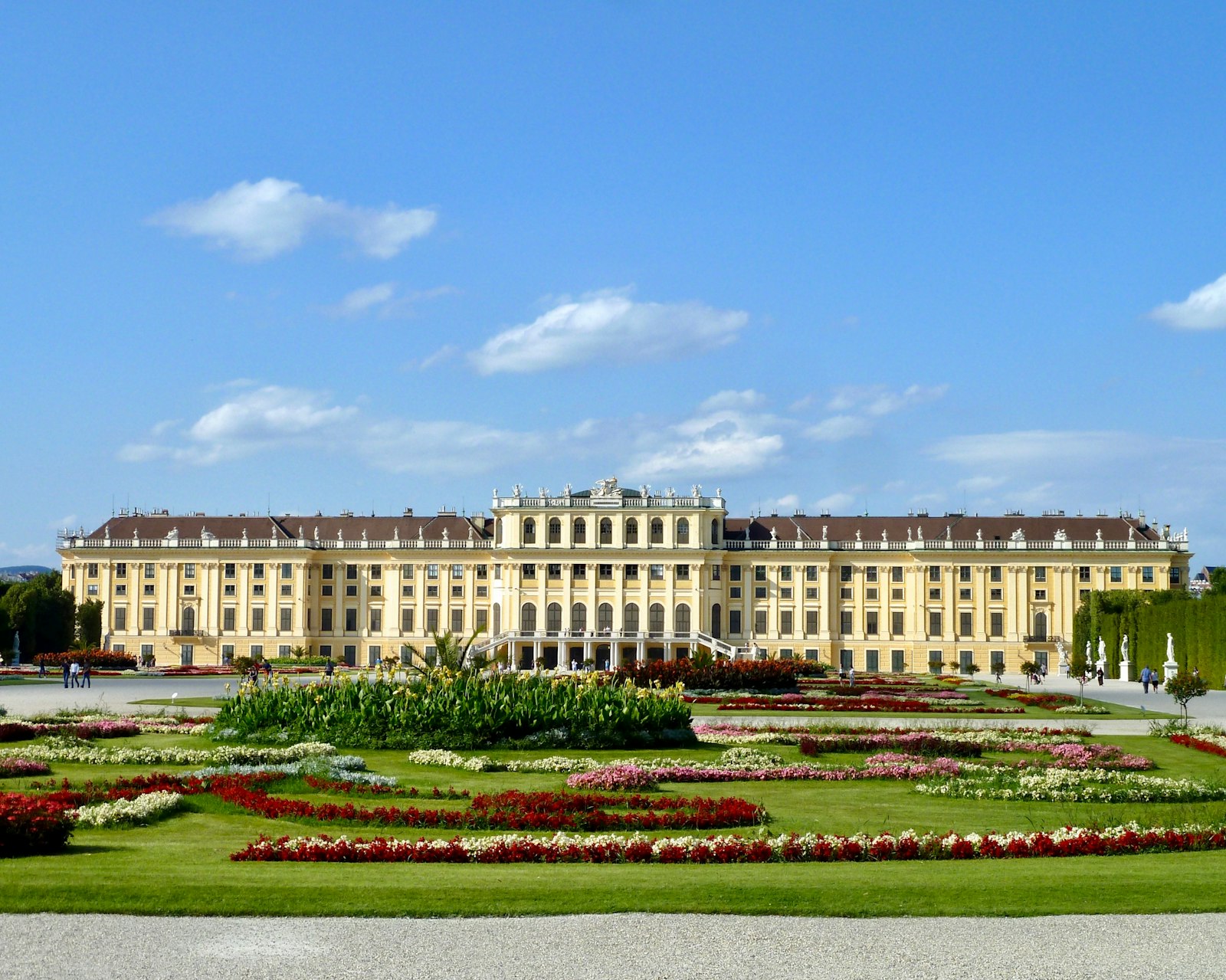
Allow several hours for the palace and gardens. The grounds are extensive, and the experience is much more rewarding when you have time to wander.
Morning: Explore Schönbrunn Palace
Arrive in the morning to make the most of your visit. The palace interiors reveal the scale and refinement of imperial life. Ticket options and access arrangements can vary, so check the official visitor information before your visit. Booking ahead is sensible during busy periods.
Late Morning: The Gardens and Gloriette
After visiting the palace, step outside into the gardens. Walk towards the Gloriette, which stands on a hill overlooking the palace grounds. The uphill route takes some effort, but the view across Schönbrunn and towards Vienna makes it worthwhile on a clear day.
Lunch and Afternoon
Take a break at a café or restaurant in the palace area. Once you have finished at Schönbrunn, head back into central Vienna. Keep the afternoon flexible: browse a few shops, take a quiet walk or return to a favourite café. Alternatively, spend the afternoon at the Hofburg, the Habsburgs’ winter palace in the centre of the city. Depending on your interests, choose one of the Imperial Apartments and Sisi Museum, the Imperial Treasury or a visit connected with the Spanish Riding School rather than attempting everything at once. Check opening days and ticket arrangements on the official sites.
Evening
For dinner, venture slightly beyond the busiest tourist streets. Neighbourhood restaurants can provide a more relaxed atmosphere and a chance to see everyday Viennese life. Keep the evening unhurried: tomorrow brings art and music.
Food note: Look for seasonal Austrian dishes, soups and pastries. If you have not tried apple strudel yet, today is another good opportunity.
Do not miss: The palace interiors, Schönbrunn’s formal gardens and the panoramic view from the Gloriette area.
Logistics: Schönbrunn is accessible by public transport, including the U4 metro line. Reserve palace admission in advance when possible and wear comfortable shoes for the extensive grounds.
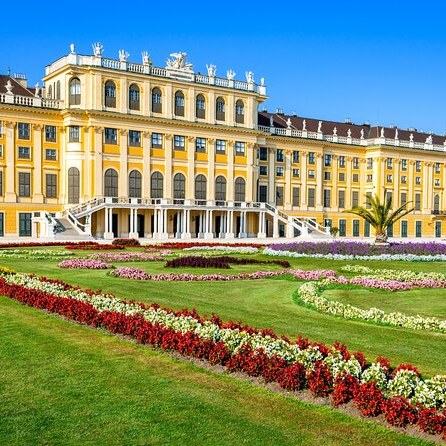
Tour on Honge
Vienna: Skip-the-Line Schönbrunn Palace & Gardens Tour
A guided ~2.5-hour Highlights visit covering 22 palace rooms plus gardens access — ideal for Day 2 if you want skip-the-line entry and a licensed guide instead of piecing tickets together yourself.
Day 3: Art, Imperial Elegance and Classical Music
Vienna’s cultural reputation extends well beyond its palaces. Today combines a major art attraction with an evening devoted to the music that has helped define Vienna around the world.
Morning: Discover the Belvedere
Begin at the Belvedere, a magnificent Baroque palace complex surrounded by landscaped gardens. The Upper Belvedere is particularly famous for its collection of Austrian art, including Gustav Klimt’s celebrated painting The Kiss. Take your time with the galleries rather than trying to see every work.
If your interests lie elsewhere, you could substitute the Belvedere with the Kunsthistorisches Museum or another museum that matches your interests.
Lunch and Afternoon: Musical Heritage
After your museum visit, stop for lunch before continuing. Dedicate the afternoon to Vienna’s musical history — the city is closely associated with Mozart, Beethoven, Haydn, Schubert and Strauss. You could visit the Haus der Musik or the Mozarthaus Vienna, explore the area around the Vienna State Opera, or simply enjoy the city’s musical atmosphere as you wander.
Evening: Attend a Classical Concert or Opera
Tonight is the ideal time to experience Vienna’s musical tradition in person. Depending on the programme, you might choose an opera at the Vienna State Opera, a classical concert in a historic hall such as the Musikverein or the Konzerthaus, or a chamber music performance. If opera tickets are sold out or expensive, the State Opera also sells limited standing-room tickets close to the performance; check the official site for how and when they are released.
Summer note: The Vienna State Opera’s regular season pauses for the summer break (it typically runs from July to early September), and the main concert halls also have reduced programmes. If you are visiting in July or August, check what is on first; the tourist-style concerts in churches and palaces, such as the one below, usually continue.
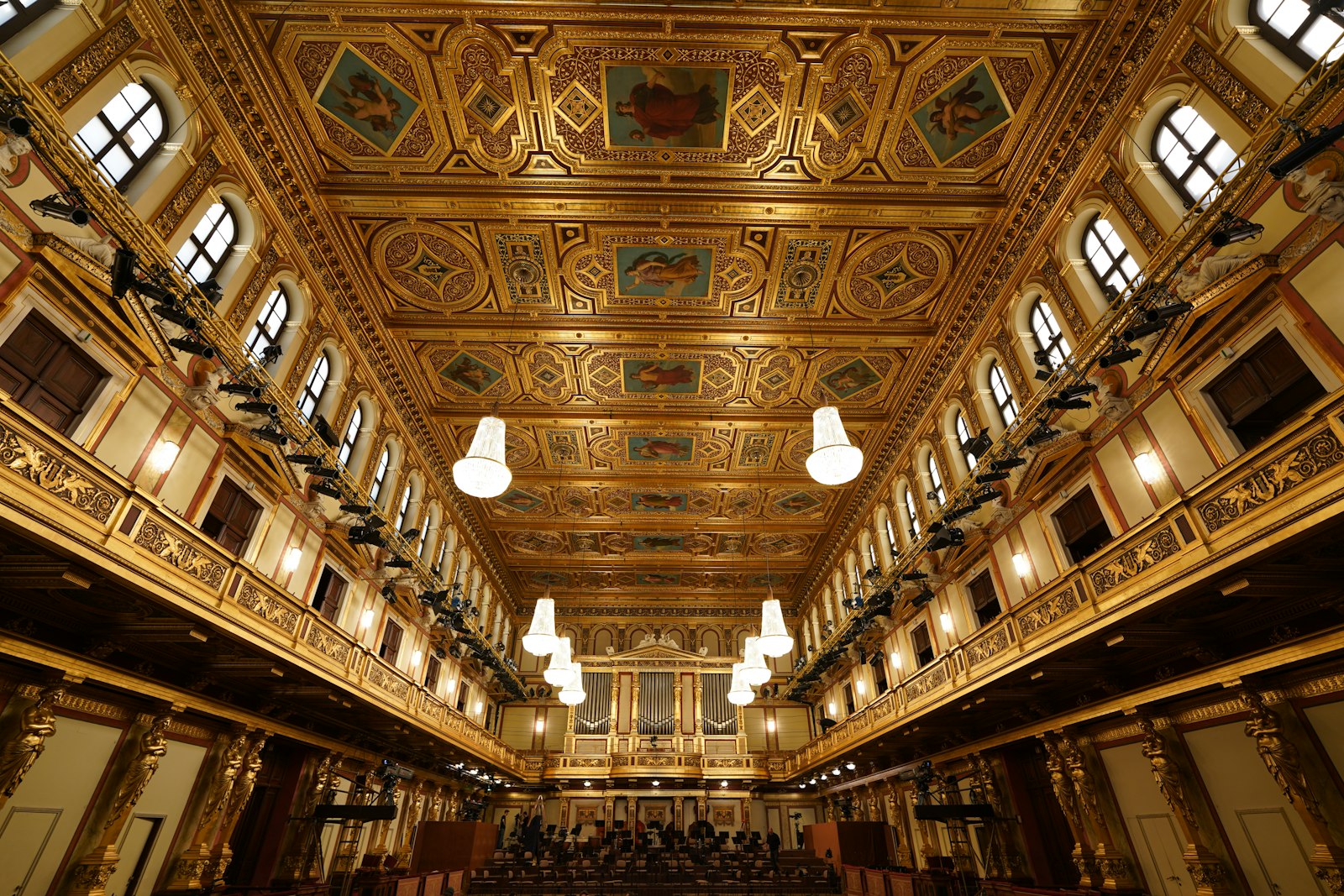
Read the programme carefully, check the venue, and buy tickets from the official organiser or venue whenever possible. Repertoire, performers, duration and dress expectations vary by event. Plan dinner before the performance or choose a restaurant nearby afterwards, and allow enough time to reach the venue without rushing.
Food note: Consider a pre-concert dinner, followed by a relaxed drink or dessert if the timing allows.
Do not miss: The Belvedere’s collection, The Kiss if it is on display during your visit, and a live classical music or opera performance.
Logistics: Check museum opening times and timed-entry requirements. Book popular exhibitions and evening performances in advance, especially during peak travel months.
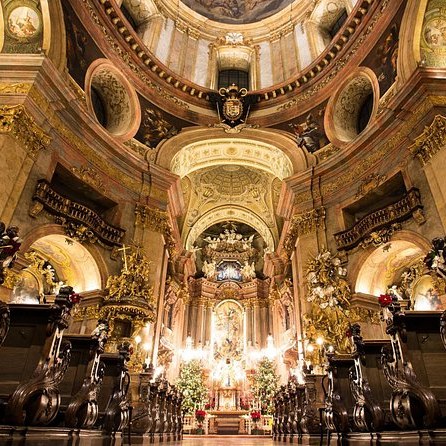
Tour on Honge
Vienna Classical Concert at St. Peter’s Church
An evening of Mozart, Vivaldi, Bach, Schubert and Beethoven with Classic Ensemble Vienna in a Baroque church near the historic centre — a natural Day 3 performance if opera tickets are sold out or you prefer a shorter concert.
Day 4: Naschmarkt, Neighbourhoods and Slow Vienna
Your final day is deliberately more relaxed. After several days of palaces, museums and historic landmarks, this is your chance to experience Vienna through its markets, neighbourhoods and cafés.
Morning: Browse Naschmarkt
Start at Naschmarkt, one of Vienna’s best-known market areas. Wander along the stalls, browse produce and speciality foods, and stop for breakfast or a light meal.
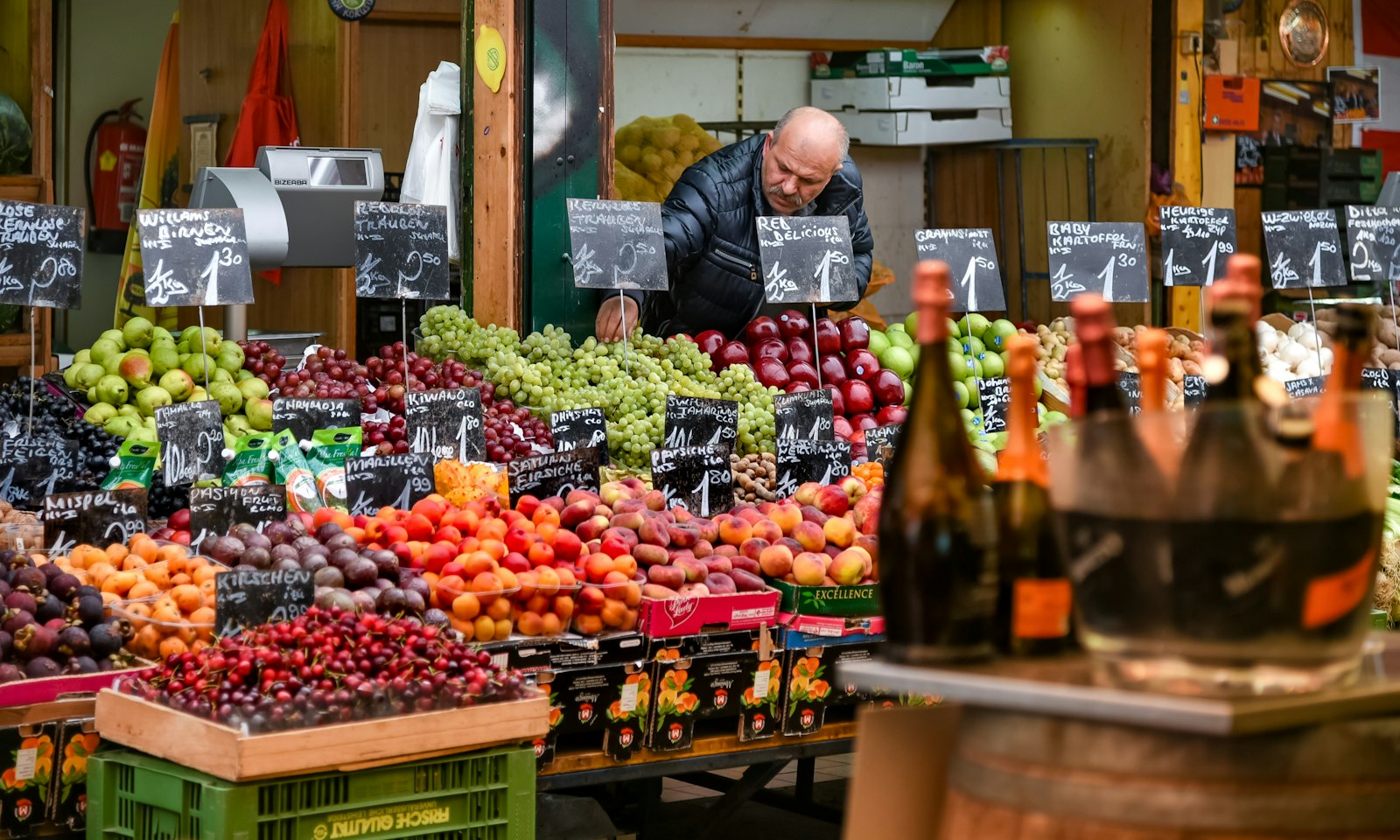
Market activity and individual business hours can vary, particularly on Sundays and public holidays, so check the current schedule before planning your morning around a specific stall.
Late Morning and Lunch: Explore a Neighbourhood
After the market, choose a neighbourhood for a slower walk. Vienna’s character changes noticeably beyond the most famous landmarks. Use lunch as an opportunity to try something you have not yet sampled — a traditional sausage, a savoury pastry or a seasonal Austrian dish.
Afternoon: A Final Coffeehouse Visit
Spend your final afternoon at a coffeehouse. Order a Melange, an Einspänner or another coffee that appeals to you, and pair it with cake or pastry. This is also a good time to buy small souvenirs or browse shops for locally made items.
Evening: A Farewell Dinner
For your final evening, choose a restaurant that reflects the side of Vienna you enjoyed most. If your departure is the following morning, keep the evening convenient and allow time to organise your luggage and transport.
Food note: Explore the stalls at Naschmarkt, sample a savoury Austrian snack and finish with coffee and cake.
Do not miss: Naschmarkt, a walk through a local neighbourhood and one last traditional coffeehouse visit.
Logistics: Check market opening days before setting out. Leave enough time to return to your hotel, collect luggage and reach the airport or station.
Where to Stay in Vienna
For a four-day trip, the best location is one that makes sightseeing easy without requiring long journeys across the city.
- Innere Stadt: Best for first-time visitors — close to St. Stephen’s, major landmarks and traditional coffeehouses. Often more expensive in peak periods.
- Neubau and the MuseumsQuartier area: Good for art, independent shops, cafés and a slightly more contemporary atmosphere while remaining close to the centre.
- Near the Hauptbahnhof: Practical for train arrivals, luggage and transport links, with a wider range of price points.
Recommendation: Choose the Innere Stadt if your budget allows, or stay just outside it near a convenient U-Bahn station. Three nights can cover the core itinerary; four nights make the trip more relaxed.
How to Get Around Vienna
Vienna is an easy city to explore without a car. Its historic centre is compact, public transport is extensive, and walking is often the most enjoyable way to experience the architecture and café culture.
- Walking: Ideal for the historic centre, coffeehouse stops and many major landmarks.
- U-Bahn: Useful for longer journeys, including travel towards Schönbrunn.
- Trams: A scenic and practical way to move around central routes.
- Buses: Helpful for destinations not directly served by metro or tram.
- Taxis and ride-hailing: Convenient for late evenings or heavy luggage.
Check current Wiener Linien fare options before travelling; time-limited travel passes (such as 24-, 48- or 72-hour tickets) are usually better value than single tickets if you plan to ride several times a day. You do not need to rent a car for this itinerary.
From the airport: Vienna Airport is connected to the city by train and bus. The train journey to the centre typically takes around 20–30 minutes, so Day 1 is realistic even if you land in the morning. Check current services and tickets with ÖBB or Wiener Linien before you travel.
Best Time to Visit Vienna
- Spring (April–June): Gardens bloom, outdoor café seating becomes appealing, and temperatures are generally comfortable for walking.
- Summer (July–August): Long days and lively streets; plan palace visits and longer walks for the morning. The State Opera’s regular season is on summer break, so check performance options before you book.
- Autumn (September–October): Excellent for architecture, museums, coffeehouses and the cultural season.
- Winter (November–March): Cosy cafés, museums and concert halls; December is popular for Christmas markets.
For a balanced four-day trip, late spring and early autumn are particularly appealing.
What to Eat and Drink in Vienna
- Wiener Schnitzel — classic breaded cutlet, often with potato salad.
- Tafelspitz — traditionally simmered beef with accompaniments.
- Sachertorte — famous chocolate cake, often served with whipped cream.
- Apfelstrudel — apple strudel commonly enjoyed with coffee.
- Kaiserschmarrn — fluffy shredded pancake with icing sugar and fruit compote.
- Viennese Melange — popular coffeehouse drink with espresso and steamed milk.
- Einspänner — coffee with a generous topping of whipped cream.
- Seasonal market food — snacks and produce at Naschmarkt and other markets.
For the full Viennese experience, visit a traditional coffeehouse at least once each day.
Practical Tips for Visiting Vienna
- Book major attractions ahead — Schönbrunn, popular exhibitions and well-known performances.
- Choose the right concert or opera by checking programme, performers, venue and duration. In July and August the regular opera season is paused.
- Allow time for coffeehouses rather than treating them as takeaway stops.
- Check Sunday and public holiday hours for markets, shops and museums.
- Dress comfortably for walking; check venue guidance for evening performances.
- Keep your itinerary flexible — Vienna rewards a little spontaneity.
- Watch for special events that can affect availability and prices.
Important Links
- Vienna Official Tourism
- Schönbrunn Palace
- St. Stephen’s Cathedral
- Belvedere Museum
- Vienna State Opera
- Musikverein
- Naschmarkt visitor information
- Wiener Linien public transport
Estimated Budget for 4 Days in Vienna
Broad planning ranges per person for four days, excluding international flights:
| Travel style | Estimated daily budget | Four-day estimate |
|---|---|---|
| Budget-conscious | €70–€120 | €280–€480 |
| Mid-range | €150–€250 | €600–€1,000 |
| Comfortable or premium | €300+ | €1,200+ |
These estimates are indicative, not live prices. Accommodation is often the largest variable, and a popular opera or concert can add significantly to the cost.
Frequently Asked Questions
Is four days enough for Vienna?
Yes. Four days is a good amount of time for a first visit. You can explore the historic centre, visit Schönbrunn Palace, enjoy a major art collection, attend a classical performance and still leave time for cafés and neighbourhoods.
Do I need to book Schönbrunn Palace in advance?
Booking ahead is recommended, especially during busy travel periods or if you want a particular time slot or tour. Check the official palace website for current ticket options, included areas and visiting arrangements.
Should I attend an opera or a classical concert?
Choose based on your interests. Opera offers a combination of music, theatre and staging, while a classical concert may be a better fit if you mainly want to hear orchestral or chamber music. Check the programme and venue before buying tickets.
Is Vienna walkable?
The historic centre is very walkable, but some attractions, including Schönbrunn Palace, are farther apart. Combining walking with the metro and trams is the easiest approach for most visitors.
Is Vienna expensive?
Vienna can be expensive, particularly for centrally located accommodation and premium performances. However, public transport, parks, architectural walks, markets and casual cafés offer ways to balance the budget.
What should I reserve before arriving?
Consider booking accommodation, Schönbrunn Palace entry if required for your preferred visit, popular museum tickets and your chosen opera or concert. Restaurant reservations are useful for sought-after venues and special-occasion dinners.
Do I need to rent a car?
No. A car is unnecessary for this four-day city itinerary. Public transport and walking are more practical for reaching the main sights, and parking in central Vienna can be inconvenient.
Final Thoughts
Vienna is a city that rewards visitors who slow down. Its palaces and monumental boulevards tell the story of an imperial capital, its museums preserve extraordinary artistic achievements, and its concert halls keep a remarkable musical tradition alive. Yet some of the most memorable moments may happen away from the major sights: sitting over coffee in a traditional café, wandering through a quiet garden or watching the city move through an elegant square.
Over four days, you can experience the main layers of Vienna without turning the trip into a checklist. Start with the historic centre, give Schönbrunn the time it deserves, make space for art and live music, and finish with a relaxed morning at Naschmarkt and one last coffeehouse visit.
Four days is enough to fall for Vienna’s particular blend of grandeur, culture and everyday elegance — and perhaps to start planning a return visit.
Ready for palaces, music and coffeehouses?
Plan your Vienna trip with Honge
Open this itinerary in Honge and make it yours: swap museums, shift performance nights and keep café time sacred.
Related itineraries
Written by
This blog was contributed by B. Sai Nikita, a travel enthusiast and writer. B. Sai Nikita can be reached at bsainikita10@gmail.com.
About Honge
Honge is an AI travel planning platform focused on practical, experience-led itineraries with realistic pacing and logistics. All blog content is edited and published by Honge. Our Vienna research draws on updated practical logistics as of November 2026. © Honge. All rights reserved.
Travel disclaimer
This itinerary is intended as general travel inspiration and planning guidance only — not as personalised travel, safety or medical advice. Opening hours, ticket types, performance programmes, market schedules and transport arrangements can change. Confirm details with official sources before you travel. Take out comprehensive travel insurance. Suggested stay areas in this article are samples only and depend on availability; in the Honge app they may appear as booking options when offered by our vendors at the time of your search. Honge is not responsible for decisions made based on this guide or for changes to places, prices, access, services or experiences after the date of publication.