
Start with this itinerary
Keep Toronto, Niagara and Prince Edward County as bases, then refine days, wineries and beach time around your flights.
How Many Days in Ontario Is Enough?
Seven days is enough for a first combined visit: three nights in Toronto, two nights around Niagara Falls and Niagara-on-the-Lake, one night in Prince Edward County, then a return to Toronto for departure.
This itinerary brings three distinct experiences together without trying to fit too much into each day. The appeal of the route is the contrast: big-city culture, one of Canada’s most famous natural attractions and a relaxed countryside escape, all connected by a manageable road trip.
Introduction
Ontario offers a wonderful mix of city energy, natural beauty and countryside charm. In Toronto, you’ll find multicultural neighbourhoods, lively markets, world-class museums and a waterfront that makes the city feel connected to Lake Ontario. Head south-west to Niagara and the landscape shifts to dramatic waterfalls, vineyard-covered roads and the historic charm of Niagara-on-the-Lake. Further east, Prince Edward County offers a slower pace, with independent wineries, farm-to-table restaurants, sandy beaches and small towns that invite you to linger.
Spend the first three days exploring Toronto, dedicate two days to Niagara Falls and its wine region, then finish with a day in Prince Edward County before returning to Toronto.
This itinerary balances city energy, waterfall drama and wine-country calm — without turning every day into a checklist.
Ontario in 7 Days: At a Glance
- Duration: 7 days, 6 nights
- Route: Toronto → Niagara Falls → Niagara-on-the-Lake → Prince Edward County → Toronto
- Best for: City experiences, wine, food, waterfront scenery, waterfalls and small towns
- Travel style: City exploration by foot and public transport, followed by a self-drive road trip
- Suggested overnight split: 3 nights in Toronto, 2 nights in Niagara-on-the-Lake or Niagara Falls, and 1 night in Prince Edward County
- Main highlights: CN Tower, St Lawrence Market, Toronto neighbourhoods, Niagara Falls, Niagara-on-the-Lake, Ontario wineries, Sandbanks Provincial Park and Prince Edward County’s food scene
Toronto waterfront → Neighbourhoods & museums → Islands → Niagara Falls → Niagara-on-the-Lake wine country → Prince Edward County → Return to Toronto
Journey Overview
| Day | Base | Focus |
|---|---|---|
| Day 1 | Toronto | CN Tower, Harbourfront, St Lawrence Market |
| Day 2 | Toronto | Kensington Market, Chinatown, ROM or AGO |
| Day 3 | Toronto | Toronto Islands, Distillery District |
| Day 4 | Niagara | Drive to Niagara Falls, viewpoints, optional boat |
| Day 5 | Niagara | Niagara-on-the-Lake, wineries, scenic drives |
| Day 6 | Prince Edward County | Wineries, Wellington or Picton, Sandbanks |
| Day 7 | Toronto | Return drive and departure |
Day 1: Arrive in Toronto and Explore the Downtown Waterfront
Welcome to Toronto, Canada’s largest city and a destination that blends skyscrapers with independent neighbourhoods, waterfront parks and a remarkably diverse food scene. Rather than rushing straight between attractions, use your first day to get your bearings and enjoy the city’s atmosphere.
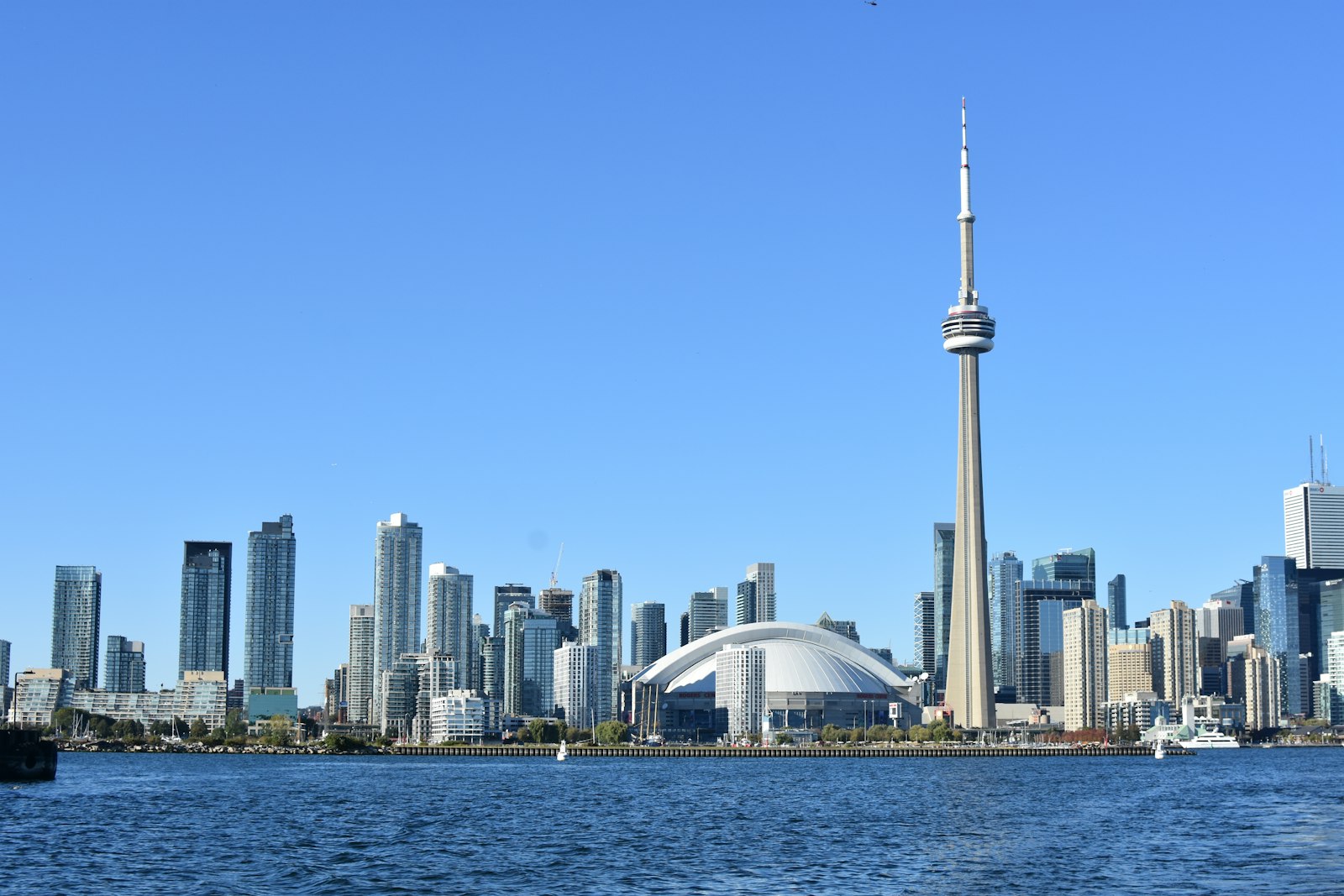
After checking in, begin around the CN Tower and the surrounding downtown district. The tower is one of Toronto’s best-known landmarks, and its observation levels offer expansive views across the city and Lake Ontario on a clear day. If you want to visit, booking tickets ahead can help you plan around your preferred time.

From there, walk towards Harbourfront, where waterfront paths, public spaces and lake views provide a welcome break from the busy downtown streets. Depending on the season, you may find outdoor events, public art and cafés along the way. Take time to enjoy the scenery rather than treating the waterfront as simply a route to the next attraction.
For lunch, head towards St Lawrence Market, one of the city’s most popular food destinations. Browse the stalls, sample local and international specialities, and choose something casual. You might find peameal bacon sandwiches, baked goods, fresh produce, cheese and prepared foods, depending on the vendors open that day.
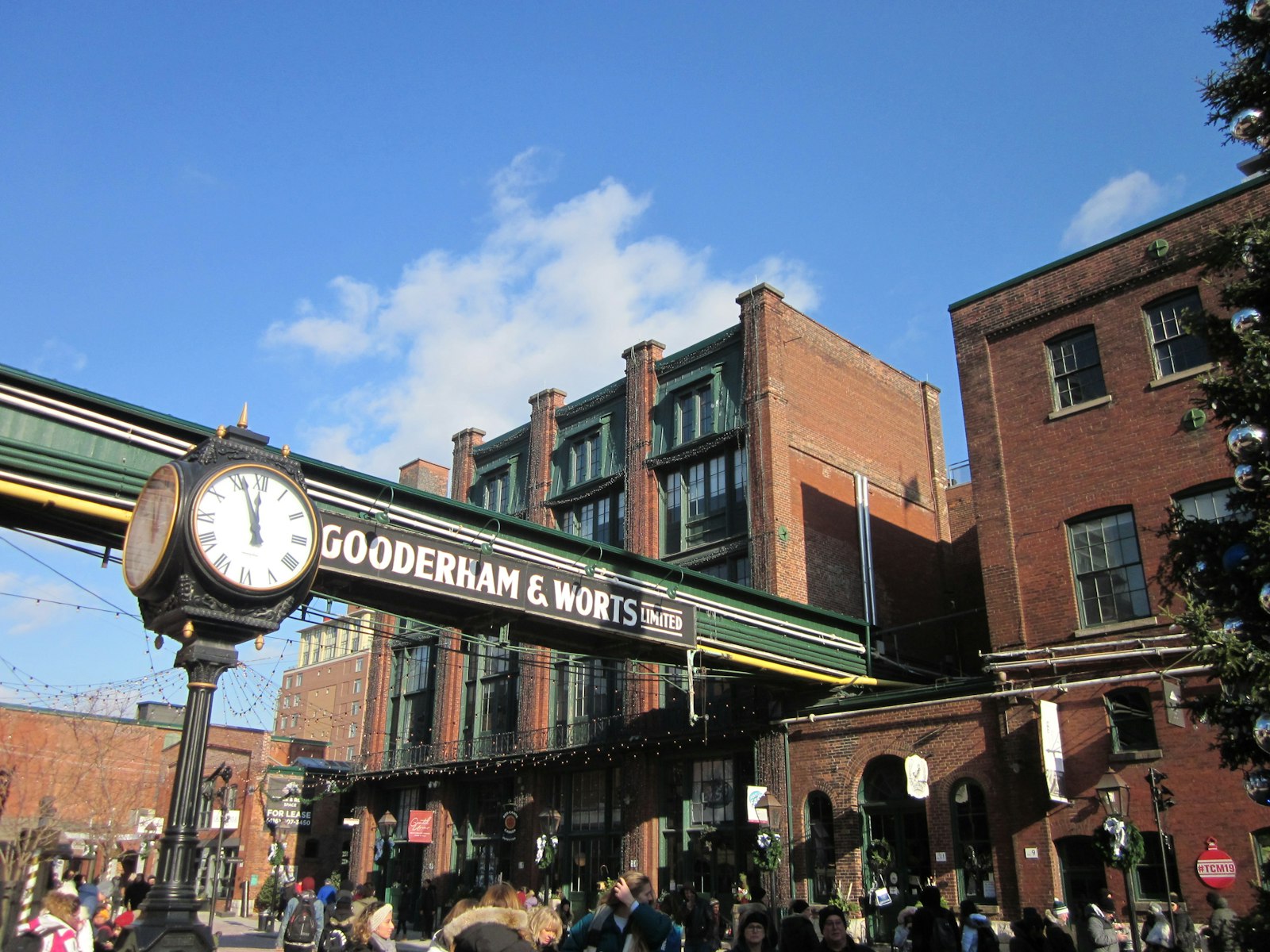
Spend the afternoon exploring the downtown core or the nearby Distillery Historic District. Its restored industrial buildings now house galleries, independent shops, cafés and restaurants. The pedestrian-friendly streets make it an enjoyable place to wander, especially if you like architecture and design.
In the evening, choose dinner based on your mood. Toronto’s multicultural food scene means you can find everything from Italian and Korean food to Caribbean, South Asian and contemporary Canadian cooking. For a relaxed first night, pick a neighbourhood restaurant rather than travelling across the city.
Food note: Try a peameal bacon sandwich at St Lawrence Market, then explore Toronto’s international food scene over dinner.
Do not miss: The CN Tower area and a walk along Harbourfront for your first views of the city and Lake Ontario.
Logistics: You won’t need a rental car today. Use public transport, walk between nearby attractions and allow extra time for city traffic if travelling by taxi.
Tour on Honge
Toronto Walking Tour — Discover Toronto Like a Local
A compact ~2-hour guided walk past Old City Hall, the Path and downtown landmarks, finishing near St Lawrence Market — a natural Day 1 or Day 2 orientation if you prefer a guide over navigating alone.
Day 2: Toronto Neighbourhoods, Kensington Market and Museums
Today is about discovering the neighbourhoods that give Toronto its character. Start in Kensington Market, an eclectic area known for independent shops, vintage stores, cafés, street art and a mix of international food. It is particularly rewarding if you enjoy browsing without a fixed shopping list.
Wander through the side streets and look for small bakeries, casual lunch spots and independent retailers. The neighbourhood changes throughout the day, and weekends can be especially busy. If you prefer a quieter visit, arrive earlier and leave time for a coffee stop.
Continue towards Chinatown, close to Kensington Market, where you can browse produce shops, bakeries and restaurants. It is a useful area for an informal lunch, with plenty of choices depending on your tastes.
In the afternoon, choose a museum based on your interests. The Royal Ontario Museum (ROM) has extensive collections covering natural history, world cultures and art. Alternatively, the Art Gallery of Ontario (AGO) offers Canadian and international art in a striking architectural setting.

Rather than attempting both museums in a single afternoon, pick one and give yourself enough time to enjoy it. Check current exhibitions, opening hours and ticket arrangements before your visit.
If you have energy afterwards, head to Queen Street West for independent boutiques, design shops and cafés, or explore a stretch of Ossington Avenue, known for restaurants and a lively evening atmosphere.
For dinner, take advantage of Toronto’s diversity. You could choose a casual food spot in Chinatown, a restaurant around Queen Street West or a special meal in another neighbourhood that appeals to you.
Food note: Make lunch an opportunity to sample something new, from Chinese dumplings and noodles to Caribbean patties or a neighbourhood bakery speciality.
Do not miss: Kensington Market for its independent character, followed by either the ROM or AGO for a deeper look at Toronto’s cultural scene.
Logistics: Walking and public transport are the easiest ways to get around. Wear comfortable shoes and check museum hours before deciding which neighbourhoods to combine.
Day 3: Toronto Islands, Distillery District and a Relaxed City Evening
Start the morning with a visit to the Toronto Islands, weather and ferry schedules permitting. A short ferry ride takes you away from the downtown bustle to a quieter setting of walking paths, open green spaces and lake views. On a clear day, the skyline provides one of the city’s most recognisable panoramas.
The islands are best explored without too much of a plan. Walk along the waterfront, find a scenic place to sit and enjoy the contrast between the open lake and the high-rise city across the water. Cycling can also be a good option when rentals are available and conditions suit.
Return to the mainland around lunchtime and make your way to the Distillery Historic District if you did not explore it on Day 1. Its brick buildings and pedestrian lanes offer a different side of Toronto, with design shops, cafés, restaurants and cultural spaces.
For an afternoon break, choose a waterfront café or take another stroll around the downtown core. If the weather is poor, use this time for an additional museum, gallery or indoor attraction rather than trying to force an outdoor itinerary.
In the evening, enjoy one final Toronto dinner. This is a good opportunity to choose a restaurant you would not normally find at home, whether that means regional Canadian ingredients, a tasting menu or a favourite cuisine discovered during your neighbourhood explorations.
Tomorrow, the trip shifts from urban streets to the Niagara region, so keep the evening relaxed and prepare for the drive.
Food note: Look for a restaurant serving seasonal Ontario ingredients or return to a favourite neighbourhood food spot from the first two days.
Do not miss: The Toronto Islands for waterfront views and a calmer perspective on the city, especially in pleasant weather.
Logistics: Check ferry schedules before leaving for the islands, as services and operating patterns vary seasonally. Keep your rental-car pickup for tomorrow if possible, rather than paying for city parking during your Toronto stay.
Day 4: Drive to Niagara Falls and Experience the Waterfall
Leave Toronto after breakfast and head towards Niagara Falls, one of Canada’s most famous natural attractions. The drive is approximately 1.5–2 hours in typical conditions, although traffic leaving Toronto can add time.
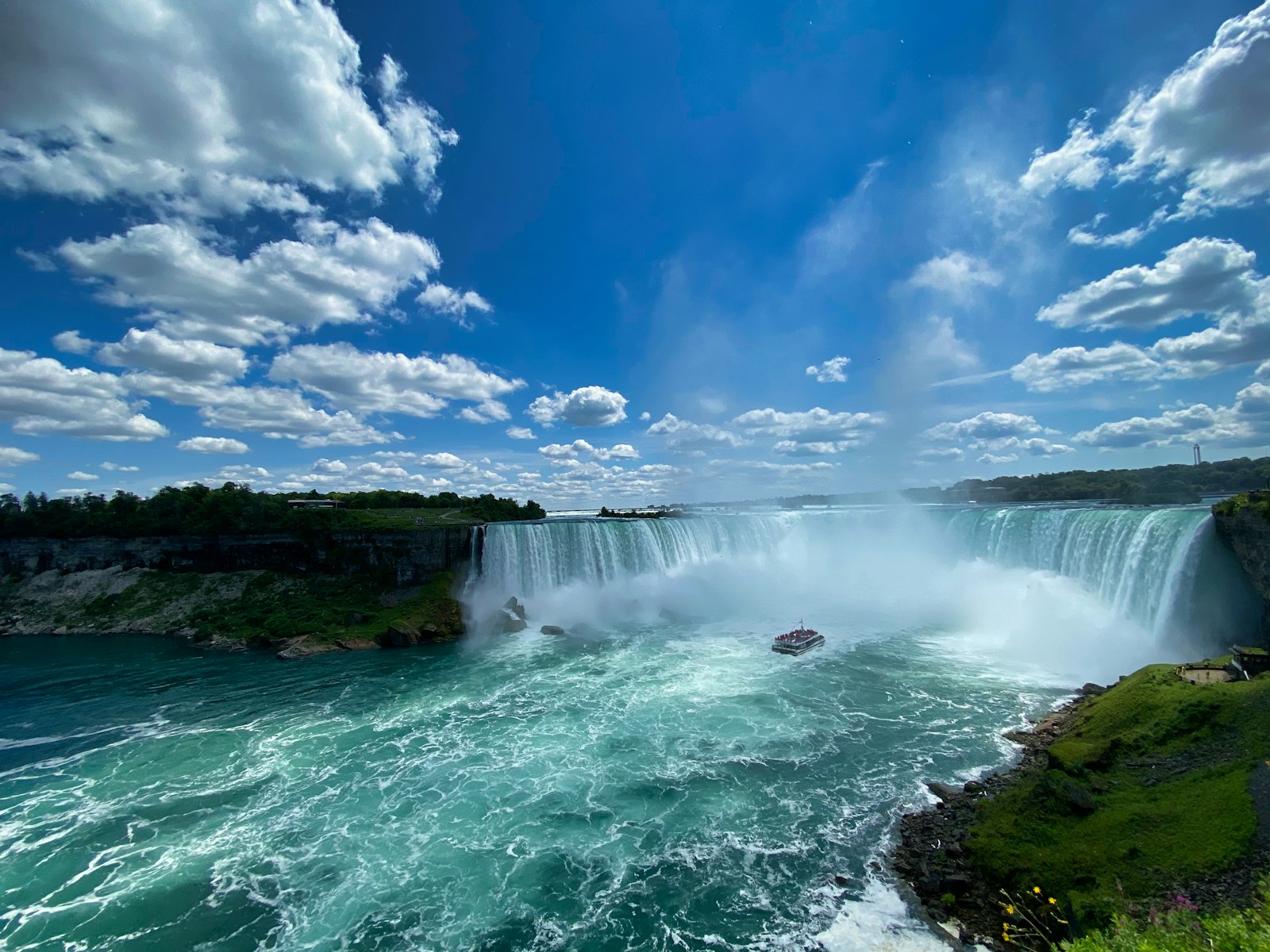
Arriving at Niagara Falls, head first to the main viewpoints near the Horseshoe Falls and the surrounding promenade. The scale and sound of the water are impressive, and the changing light can make the views feel different throughout the day. Allow plenty of time to walk along the riverfront and stop at different viewpoints.
If you want to get closer to the falls, consider a boat excursion such as Niagara City Cruises, which operates seasonal sightseeing experiences from the Canadian side. Bring waterproof layers if you book a trip that approaches the spray, and check the operating calendar before your visit. You could also consider the Journey Behind the Falls experience via Niagara Parks. Choose one or two paid experiences rather than attempting every attraction in the area.
For lunch, find a casual restaurant overlooking the river or explore the nearby dining options. The immediate tourist area has plenty of choice, although prices and atmosphere vary, so it is worth comparing menus before sitting down.
In the afternoon, enjoy more of the Niagara Parkway, a scenic route that follows the river. Depending on your interests and timing, you can make short stops for views or continue towards Niagara-on-the-Lake.
Spend the evening in Niagara Falls if you want to be near the main attraction after dark, when the falls are illuminated on scheduled evenings. Alternatively, stay in Niagara-on-the-Lake for a quieter base with historic streets and easy access to wineries tomorrow.
Food note: Try a meal featuring Ontario produce or regional wine. If you prefer a casual lunch, keep it simple so you can spend more time at the falls.
Do not miss: The Horseshoe Falls viewpoints and a boat excursion if it is operating during your visit.
Logistics: Toronto to Niagara Falls is roughly 1.5–2 hours by car in typical conditions. Parking near major attractions can be busy, so arrive early or check official parking information. Confirm seasonal tour schedules and ticket requirements in advance.
Tour on Honge
Niagara Falls in 1 Day: American & Canadian Sides
A guided both-sides day with boat or Journey Behind the Falls, Cave of the Winds (in season) and Skylon Tower — ideal for Day 4 if you want the main attractions without piecing tickets together yourself. Passport and border rules apply.
Day 5: Niagara-on-the-Lake, Wineries and Scenic Drives
Today is devoted to Niagara’s wine country and the historic charm of Niagara-on-the-Lake. The town’s attractive main streets, heritage buildings, independent shops and cafés make it an enjoyable place to explore at a slower pace.
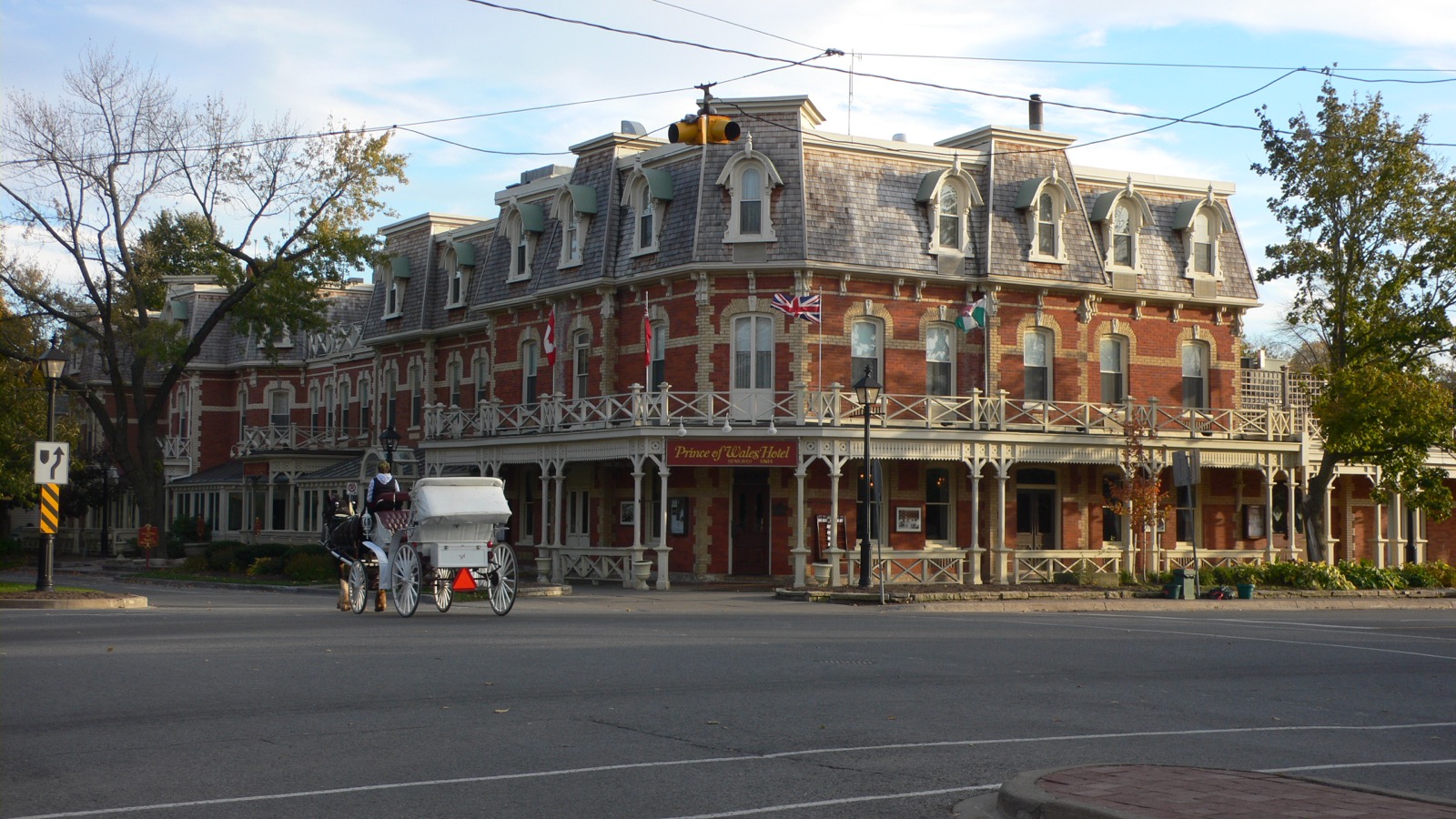
Wander through Niagara-on-the-Lake, a charming historic town with independent shops, cafés and easy access to the surrounding vineyards.
Start with a walk through the town centre. Browse the shops, stop for coffee and look at the architecture before heading out into the surrounding vineyards. If you enjoy theatre, check the programme at the Shaw Festival for performances during your travel dates.
The Niagara Peninsula is one of Ontario’s best-known wine regions. Its climate and growing conditions support a range of wines, including Riesling, Chardonnay, Pinot Noir and Cabernet Franc. The region is also known for icewine. Plan a winery visit or two rather than trying to squeeze in too many stops — use Wine Country Ontario to compare tasting rooms and book ahead in summer and autumn.
If you are travelling with someone who does not drink wine, look for wineries that offer vineyard scenery, food options or non-alcoholic alternatives, or make time for a scenic drive instead.
For lunch, choose a winery restaurant if available, or return to Niagara-on-the-Lake for a café or a relaxed meal. In the afternoon, take a scenic drive along the Niagara Parkway or explore more of the countryside. Keep the schedule flexible, with time for a final tasting, a walk or a stop at a roadside farm stand if one is open.
Spend the night in Niagara-on-the-Lake or the Niagara Falls area, depending on your accommodation preference.
Food note: Sample Niagara wines such as Riesling or Cabernet Franc, and consider icewine if you enjoy sweeter styles. Pair tastings with a meal rather than treating the day as a race between wineries.
Do not miss: A walk through Niagara-on-the-Lake followed by a winery visit and a drive through the vineyard countryside.
Logistics: Niagara-on-the-Lake is roughly 20–30 minutes from Niagara Falls by car. If tasting wine, designate a sober driver or arrange a guided wine tour or other transport. Book tastings in advance during busy periods.
Day 6: Prince Edward County — Wineries, Beaches and Small-Town Charm
Today brings a longer drive east to Prince Edward County, a rural region known for its wineries, farm-to-table restaurants, small towns and Lake Ontario shoreline. It offers a different kind of wine-country experience from Niagara: more spread out, quieter in feel and well suited to unhurried exploration.
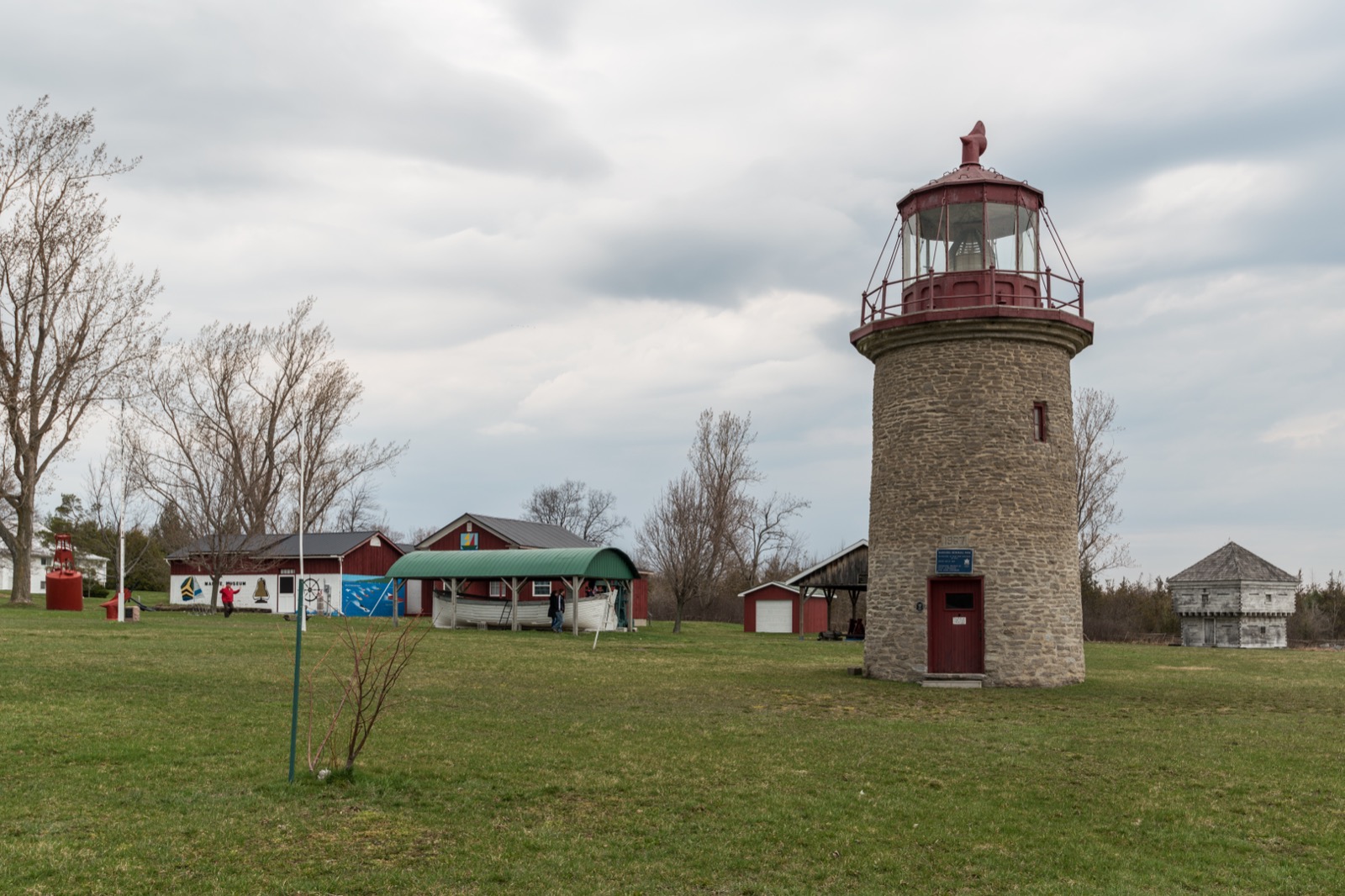
Slow down in Prince Edward County, where small towns, independent shops and lakeside scenery create a relaxed countryside atmosphere.
Leave Niagara after breakfast and allow approximately 3–3.5 hours to reach Prince Edward County by car in typical conditions. Build in a break along the way and avoid booking an early winery appointment.
Start in Wellington, a small lakeside community with cafés, independent shops and access to the wider county. Prince Edward County has a growing wine scene, with cool-climate varieties including Chardonnay and Pinot Noir. Choose one or two wineries based on location and tasting options — Visit The County is a useful planning resource.
If the weather is good and you have enough time, consider Sandbanks Provincial Park, known for its beaches and sand dunes. The park is especially popular during summer, when parking and day-use access can be limited or subject to reservation arrangements. Check official park information before visiting.
For a slower afternoon, explore Picton, one of the county’s main towns, with independent shops, cafés and dining options. For dinner, look for a farm-to-table restaurant or a casual local spot serving dishes made with regional produce.
Stay overnight in the county if your schedule allows. A guesthouse, inn or rural stay can make the experience feel more relaxed, though accommodation may be limited during summer weekends.
Food note: Look for seasonal produce, local cheese, baked goods and wines from Prince Edward County. Menus change with the harvest, so ask what is especially good that day.
Do not miss: A winery visit paired with time in Wellington or Picton, and Sandbanks Provincial Park if the season, weather and access arrangements suit.
Logistics: Niagara to Prince Edward County is approximately 3–3.5 hours by car. The county is rural, and attractions are spread out, so a car is useful. Check winery opening hours, restaurant reservations and Sandbanks access before travelling.
Day 7: Return to Toronto and Depart
Enjoy breakfast in Prince Edward County before beginning the drive back to Toronto. The journey is generally around 2–2.5 hours to the city, but allow additional time for traffic and the drive to the airport.
If your departure is later in the day, you might have time for a short walk around Picton or Wellington before leaving. Keep any final stop close to your route and avoid booking an activity that could make the airport transfer stressful.
If you have an early flight, consider spending the previous night closer to Toronto instead. This may mean adjusting the itinerary so that you return to Toronto on Day 6 after exploring the county, but it can make the departure day much more relaxed.
Once in Toronto, return your rental car according to the rental company’s instructions. Allow enough time for refuelling, the vehicle return process and airport check-in.
Food note: Enjoy one last coffee and pastry in the county before the drive, or plan a simple meal once you reach Toronto.
Do not miss: Give yourself a relaxed final morning rather than trying to squeeze in another major attraction.
Logistics: Prince Edward County to Toronto is approximately 2–2.5 hours by car in typical conditions. Add extra time for airport travel, rental-car return and check-in.
Where to Stay in Ontario
For this itinerary, choose accommodation that makes each part of the trip easy rather than moving hotels every night.
Toronto: Three Nights
- Downtown and Entertainment District: Best for first-time visitors who want easy access to the CN Tower, waterfront, restaurants and major attractions.
- Queen Street West and surrounding neighbourhoods: Good for independent shops, restaurants, cafés and nightlife, with public transport connections.
- Yorkville: Suits travellers who prefer upscale hotels, shopping, galleries and access to museums.
- Waterfront: Worth considering if you want lake views and access to Harbourfront.
You can comfortably explore Toronto without a car, so look for accommodation close to public transport and avoid paying for unnecessary parking.
Niagara Falls or Niagara-on-the-Lake: Two Nights
- Niagara Falls: Best if you want to be near the main viewpoints, attractions and evening illumination.
- Niagara-on-the-Lake: Better for a relaxed wine-country stay, with historic streets, independent restaurants and access to wineries.
Prince Edward County: One Night
Look for an inn, guesthouse, boutique hotel or rural accommodation near Wellington or Picton. Book early in summer, on long weekends or during popular local events.
Getting Around: Do You Need a Rental Car?
A rental car is not necessary for the first three days in Toronto. Walking, public transport and occasional taxis or rideshares make it possible to visit most of the main city attractions without driving.
Once you leave Toronto, a car becomes much more useful. Niagara’s wineries, Niagara-on-the-Lake and Prince Edward County’s beaches, towns and vineyards are spread out, and public transport may not connect conveniently with your plans.
A practical approach: Explore Toronto without a car, then collect your rental on Day 4 and return it on Day 7.
| Route | Approximate driving time |
|---|---|
| Toronto to Niagara Falls | 1.5–2 hours |
| Niagara Falls to Niagara-on-the-Lake | 20–30 minutes |
| Niagara-on-the-Lake to Prince Edward County | Around 3–3.5 hours |
| Prince Edward County to Toronto | Around 2–2.5 hours |
These are broad planning estimates under typical conditions. Traffic, roadworks, weather and your exact start and end points can affect journey times.
- Compare rental pickup and drop-off locations before booking.
- Check whether your accommodation charges for parking.
- Confirm that your rental agreement covers your intended travel and return location.
- Use a designated driver or pre-arranged transport for winery visits.
- Download maps or directions before heading into rural areas where mobile coverage may be less reliable.
- Check local road conditions before longer drives, especially in winter.
What to Eat and Drink in Ontario
Ontario’s food scene reflects its diverse communities, regional agriculture and growing wine industry. The best meals on this route may be just as memorable as the main attractions.
- Peameal bacon sandwich — A Toronto favourite commonly associated with St Lawrence Market.
- Butter tart — A classic Canadian pastry filled with a sweet, buttery mixture.
- International street food — Try something new in Kensington Market, Chinatown or another neighbourhood.
- Freshwater fish — Look for locally sourced fish on menus where available.
- Niagara wines — Riesling, Chardonnay, Cabernet Franc and icewine.
- Prince Edward County wines — Chardonnay, Pinot Noir and other cool-climate wines.
- Farm-to-table dishes — Seasonal produce, local cheese and regional ingredients.
- Farm-stand produce and baked goods — Stop for fruit, pastries or other local products in season.
Wine is a highlight of both Niagara and Prince Edward County, but each region has its own character. Visit a small number of wineries thoughtfully rather than trying to fit too many tastings into one day.
Best Time to Visit Ontario
The most rewarding time for this itinerary is generally late spring through early autumn, when waterfront walks, wineries, scenic drives and outdoor attractions are most enjoyable.
- May to June: Spring greenery, milder temperatures and fewer peak-summer crowds on many dates.
- July to August: Warm weather, lively waterfronts, winery patios and beach days — book ahead.
- September to October: Especially appealing for wine-country travel, harvest-season experiences and autumn colours.
- November to April: Quieter for museums and indoor attractions, but colder weather and shorter days can affect road trips; some seasonal experiences reduce schedules.
Budgeting for 7 Days in Ontario
Your costs will depend on hotel standards, travel dates, restaurant choices, winery tastings, paid attractions and rental-car arrangements. The following are broad planning estimates per person, assuming two people share a room, in Canadian dollars.
| Travel style | Approximate daily budget |
|---|---|
| Budget-conscious | C$150–220 |
| Mid-range | C$250–400 |
| More comfortable | C$450+ |
These figures are indicative rather than live prices. They may cover accommodation, meals, local transport and a share of some activities, but flights and significant shopping expenses are excluded. A rental car, fuel, parking, CN Tower tickets, Niagara Falls excursions, winery tastings and peak-season accommodation can raise the total.
Practical Tips for a Smooth Trip
- Explore Toronto before hiring a car.
- Book major attractions ahead — CN Tower, Niagara Falls boat excursions and popular winery experiences.
- Plan winery transport responsibly.
- Allow extra time for the longer drive from Niagara to Prince Edward County.
- Check Sandbanks access before travelling.
- Pack for changing lakefront weather.
- Reserve popular restaurants in Niagara-on-the-Lake and Prince Edward County during busy weekends.
- Check seasonal opening hours for wineries, boat excursions and outdoor attractions.
- Keep your itinerary flexible.
- Check road conditions before driving.
- Respect local landscapes and park guidance.
Important Links
- Destination Toronto — Toronto trip planning
- CN Tower — observation deck and city views
- St Lawrence Market — local food and market information
- Royal Ontario Museum — museum visits
- Toronto Islands — ferry and island information
- Niagara Parks — waterfall attractions and experiences
- Niagara City Cruises — boat excursions
- Wine Country Ontario — winery planning
- Visit The County — Prince Edward County food, wine and small towns
- Sandbanks Provincial Park — beaches and park access
Frequently Asked Questions
Is seven days enough for Toronto, Niagara and Prince Edward County?
Yes. Seven days gives you time for three days in Toronto, two days around Niagara, a day in Prince Edward County and a final return to Toronto. It is a comfortable introduction to the region, although you will need to be selective about attractions and wineries.
Do I need a car for this Ontario itinerary?
Not for the Toronto portion. A rental car is recommended for Niagara and Prince Edward County, where wineries, beaches and small towns are spread out. Hiring a car from Day 4 is a practical way to balance flexibility with cost.
Is Niagara Falls worth visiting for a full day?
Yes. A full day gives you time to explore the main viewpoints, enjoy a boat excursion if operating and walk along the riverfront. You can then spend the following day discovering Niagara-on-the-Lake and the surrounding wine region.
Which is better for wine tasting: Niagara or Prince Edward County?
Both are worth visiting. Niagara offers a well-established wine region, a range of wineries and easy access to Niagara-on-the-Lake. Prince Edward County has a quieter countryside atmosphere, with smaller towns, rural roads and farm-to-table experiences. This itinerary includes both so you can experience their contrasting styles.
Can I visit wineries without driving?
Yes, but you will need to plan ahead. Look for guided wine tours, pre-arranged transfers or other transport options in Niagara and Prince Edward County. Public transport may not provide convenient connections between individual wineries.
When is the best time to visit Prince Edward County?
Late spring through early autumn is generally best for wineries, outdoor dining, small-town exploration and Sandbanks beaches. Summer is popular, while September and early October can be especially appealing for wine-country scenery. Check seasonal opening hours and park access before travelling.
Should I stay overnight in Prince Edward County?
An overnight stay makes the experience more relaxed and gives you time for a winery visit, a small-town meal and a beach or countryside stop. If you have an early flight from Toronto, consider returning to Toronto on Day 6 instead or allowing plenty of time on Day 7.
Final Thoughts
A week in Ontario is a chance to experience three distinct travel moods. Toronto offers neighbourhood discoveries, museums, markets and waterfront energy. Niagara brings the drama of the falls, vineyard landscapes and the historic charm of Niagara-on-the-Lake. Prince Edward County provides a slower finish, with independent wineries, local food, beaches and small towns that encourage you to take your time.
The route works best when you resist the urge to fill every hour. Spend a little longer over lunch, stop when a scenic view catches your eye and leave room for a winery recommendation or a café you discover along the way.
By the end of the week, you’ll have experienced Ontario not as a single destination but as a collection of contrasting places, each with its own pace, flavours and character.
Ready for Toronto, Niagara and wine country?
Plan your Ontario trip with Honge
Open this itinerary in Honge and make it yours: swap stops, shift days, change the pace.
Related itineraries
Written by
This blog was contributed by B. Sai Nikita, a travel enthusiast and writer. B. Sai Nikita can be reached at bsainikita10@gmail.com.
About Honge
Honge is an AI travel planning platform focused on practical, experience-led itineraries with realistic pacing and logistics. All blog content is edited and published by Honge. Our Ontario research draws on updated practical logistics as of November 2026. © Honge. All rights reserved.
Travel disclaimer
This itinerary is intended as general travel inspiration and planning guidance only — not as personalised travel, safety or medical advice. Opening hours, road conditions, ferry service, boat-tour availability, winery schedules, park access and airport procedures can change. Confirm details with official sources before you travel. Weather conditions are never guaranteed. Take out comprehensive travel insurance. Suggested stay areas in this article are samples only and depend on availability; in the Honge app they may appear as booking options when offered by our vendors at the time of your search. Honge is not responsible for decisions made based on this guide or for changes to places, prices, access, services or experiences after the date of publication.