

Start with this itinerary
Open this 8-day Pacific Northwest itinerary in Honge as your starting point, then shape the journey around Seattle’s markets and waterfront, Olympic National Park’s rainforests and rugged beaches, and the San Juan Islands’ ferry crossings, coastal roads and wildlife.
Good to Know
- Check park conditions: Road closures, trail damage and weather can change access. Check official Olympic National Park alerts before each park day.
- Pack layers: Bring waterproof outerwear, warm clothing, hiking shoes, water and sun protection.
- Respect the coast: Check tide and surf conditions, stay away from unstable logs and slippery rocks, and keep a safe distance from the water.
- Plan for limited services: Fuel up and carry water and snacks before driving into remote areas.
- Keep ferry plans flexible: Confirm schedules and ticket requirements before departure, and allow a buffer for delays.
- Ask park rangers for advice: Visitor-centre staff can help you choose suitable hikes and identify seasonal closures or access restrictions.
Introduction
The Pacific Northwest brings together some of Washington State’s most distinctive landscapes, from Seattle’s lively markets and waterfront views to Olympic National Park’s towering trees, alpine scenery and wild beaches. The journey then continues across the Salish Sea to the San Juan Islands, where peaceful harbours, coastal roads and opportunities to spot marine wildlife offer a slower pace of travel.
This eight-day road trip balances city sightseeing with outdoor exploration. Spend two days discovering Seattle, three days exploring the Olympic Peninsula, and two days enjoying San Juan Island before returning towards Seattle on the final day. With time for local food, scenic stops, forest walks and island-town discoveries, this itinerary lets you experience the region without rushing through every destination.
This journey combines two nights in Seattle with three nights on the Olympic Peninsula and two nights on San Juan Island. Travel through Port Angeles and the Hoh Rain Forest, discover the rugged coastline at Ruby Beach, and take the ferry from Anacortes to Friday Harbor for a relaxed island escape before returning to Seattle.
City markets, mossy rainforests, mountain ridgelines and ferry crossings — eight days that show why the Pacific Northwest stays with you.
Journey Overview
| Day | Main stops | Overnight base |
|---|---|---|
| Day 1 | Pike Place Market, Seattle waterfront | Seattle |
| Day 2 | Capitol Hill, Kerry Park, Ballard Locks | Seattle |
| Day 3 | Ferry or drive to the Olympic Peninsula, Port Angeles, Lake Crescent | Port Angeles |
| Day 4 | Hurricane Ridge, mountain viewpoints, forest walks | Port Angeles |
| Day 5 | Hoh Rain Forest, Rialto Beach, Ruby Beach | Forks or nearby |
| Day 6 | Drive to Anacortes, ferry to San Juan Island, Friday Harbor | Friday Harbor |
| Day 7 | Lime Kiln Point, Roche Harbor, American Camp, island activities | Friday Harbor |
| Day 8 | Ferry to Anacortes, drive to Seattle and departure | Departure |
Route Map
Follow the route from Seattle to Port Angeles and Lake Crescent, then explore Hurricane Ridge and the Hoh Rain Forest before continuing to the Pacific coast at Rialto Beach and Ruby Beach. From the Olympic Peninsula, drive to Anacortes and take the ferry to Friday Harbor on San Juan Island, where you can discover Lime Kiln Point State Park, Roche Harbor and American Camp. On Day 8, return by ferry to Anacortes and drive back to Seattle for departure.
Seattle → Port Angeles & Lake Crescent → Hurricane Ridge → Hoh Rain Forest & Rialto Beach & Ruby Beach → Anacortes ferry → Friday Harbor → Seattle
Day 1: Discover Seattle’s Market and Waterfront
Begin your trip at Pike Place Market, one of Seattle’s most recognisable landmarks. Wander among seasonal flower stalls, fresh produce, seafood counters and independent food vendors, and stop for breakfast or coffee before the crowds build.
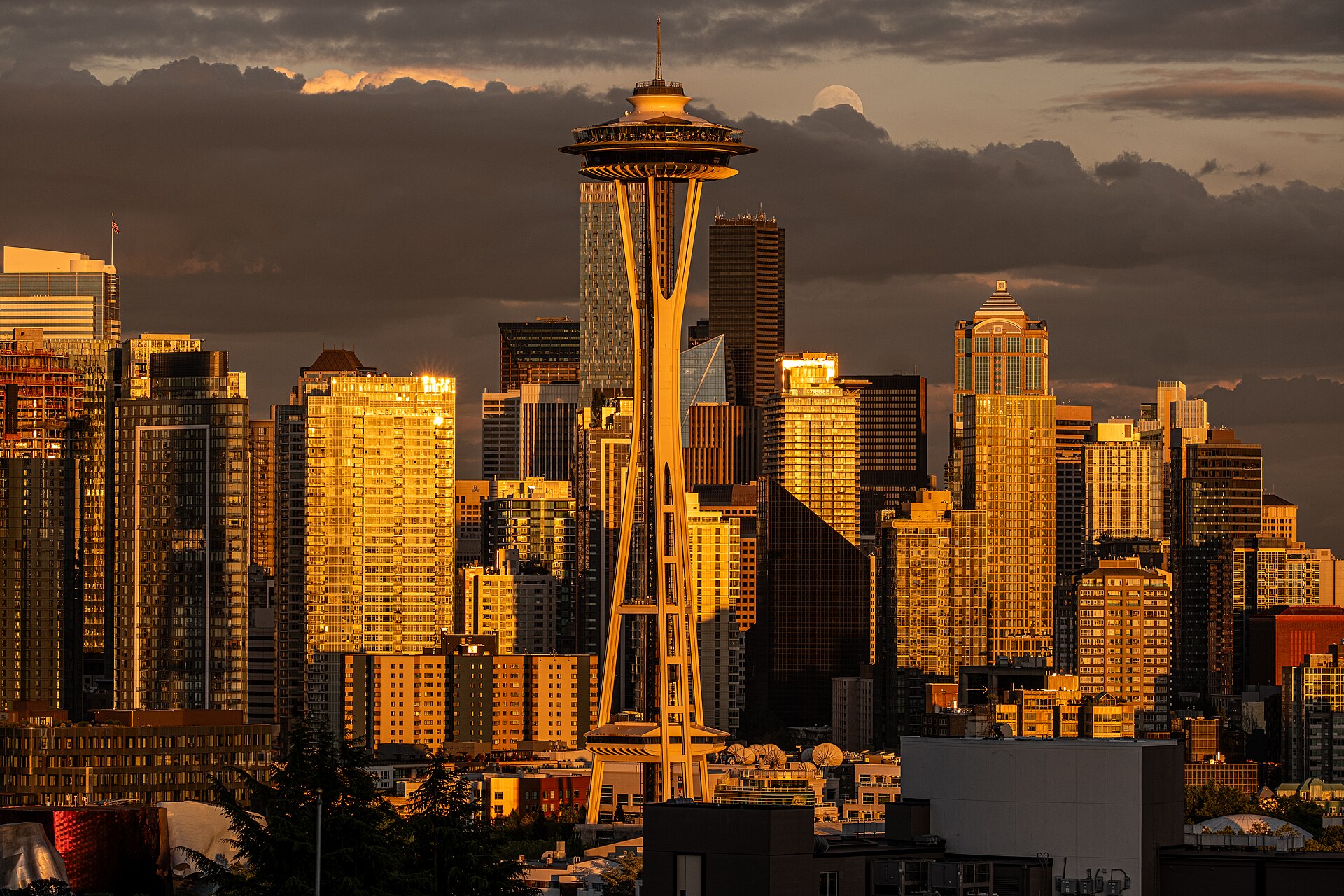
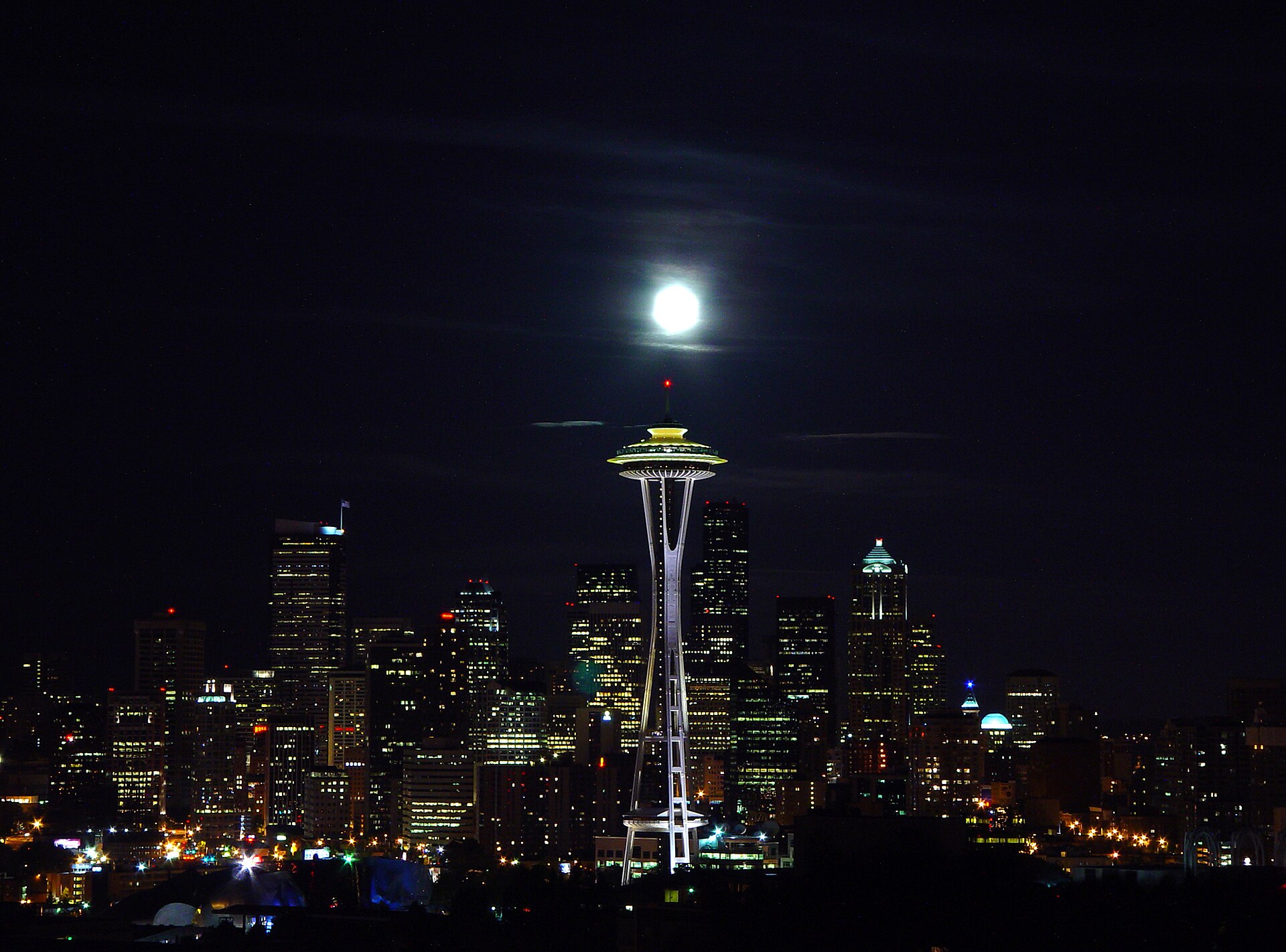
After lunch, walk towards the waterfront for views across Elliott Bay and watch the ferries cross the water. If you want a classic city landmark stop, the Space Needle and the surrounding Seattle Center area are a short hop from downtown — useful for a first-day skyline view even if you save Kerry Park for Day 2. Visit the Seattle Aquarium if time allows, or explore the waterfront promenade before finding a restaurant for dinner. Try fresh seafood, artisan cheese or a local bakery treat, and keep your first evening relaxed before the road trip begins.


Day 2: Seattle’s Neighbourhoods, Parks and Food
Spend the morning exploring Seattle beyond downtown. Capitol Hill is known for cafés, independent shops, restaurants and music culture, while Ballard offers a lively neighbourhood atmosphere shaped by the city’s maritime history. Take time to enjoy a leisurely breakfast, browse local shops and discover the food scene rather than rushing between attractions.
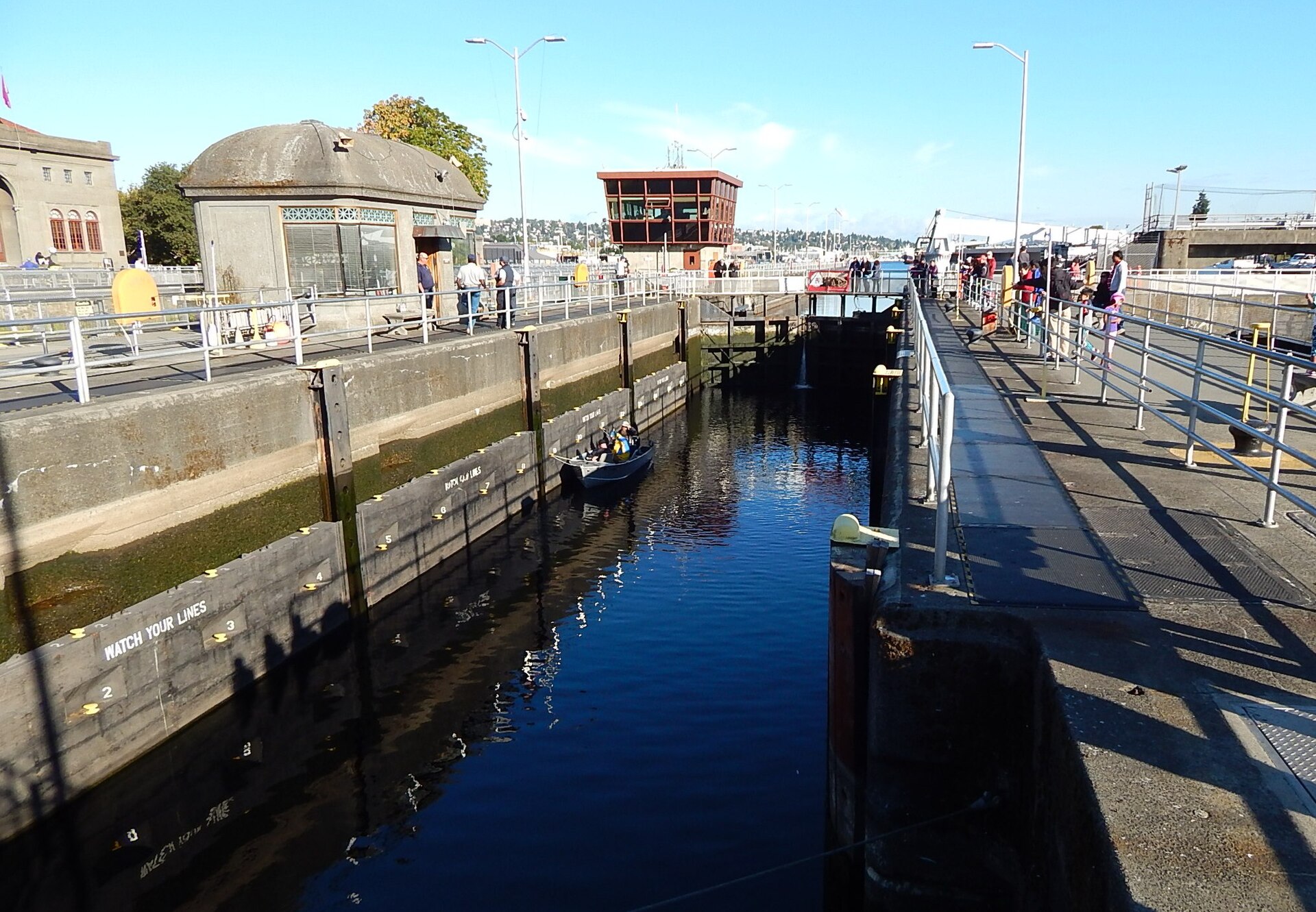
In the afternoon, head to Kerry Park for a classic skyline view — the Space Needle sits prominently in the frame — or visit the Ballard Locks. Watch boats move between different water levels and look for the fish ladder, which helps migrating salmon travel upstream. Finish with dinner in one of the city’s neighbourhoods, then prepare your hiking layers and download maps for the Olympic Peninsula.


Tour on Honge
Forks Town, Twilight Movie, Olympic Small Group 1 Day Tour
This full-day small-group tour departs Seattle for Forks film sites and Olympic National Park stops such as the Hoh Rain Forest and Rialto Beach — a strong option if you prefer a guided peninsula day from the city rather than driving every leg yourself.
Day 3: Travel to the Olympic Peninsula
Leave Seattle in the morning and begin the journey towards the Olympic Peninsula. Taking the Bainbridge Island ferry is a scenic option, with views across Puget Sound, although driving around the sound is another possibility. Remember that the ferry crossing is only one part of the journey; you will still need to drive from Bainbridge Island to Port Angeles. Allow time for the crossing, ferry queues, road travel and food stops before reaching your overnight base.
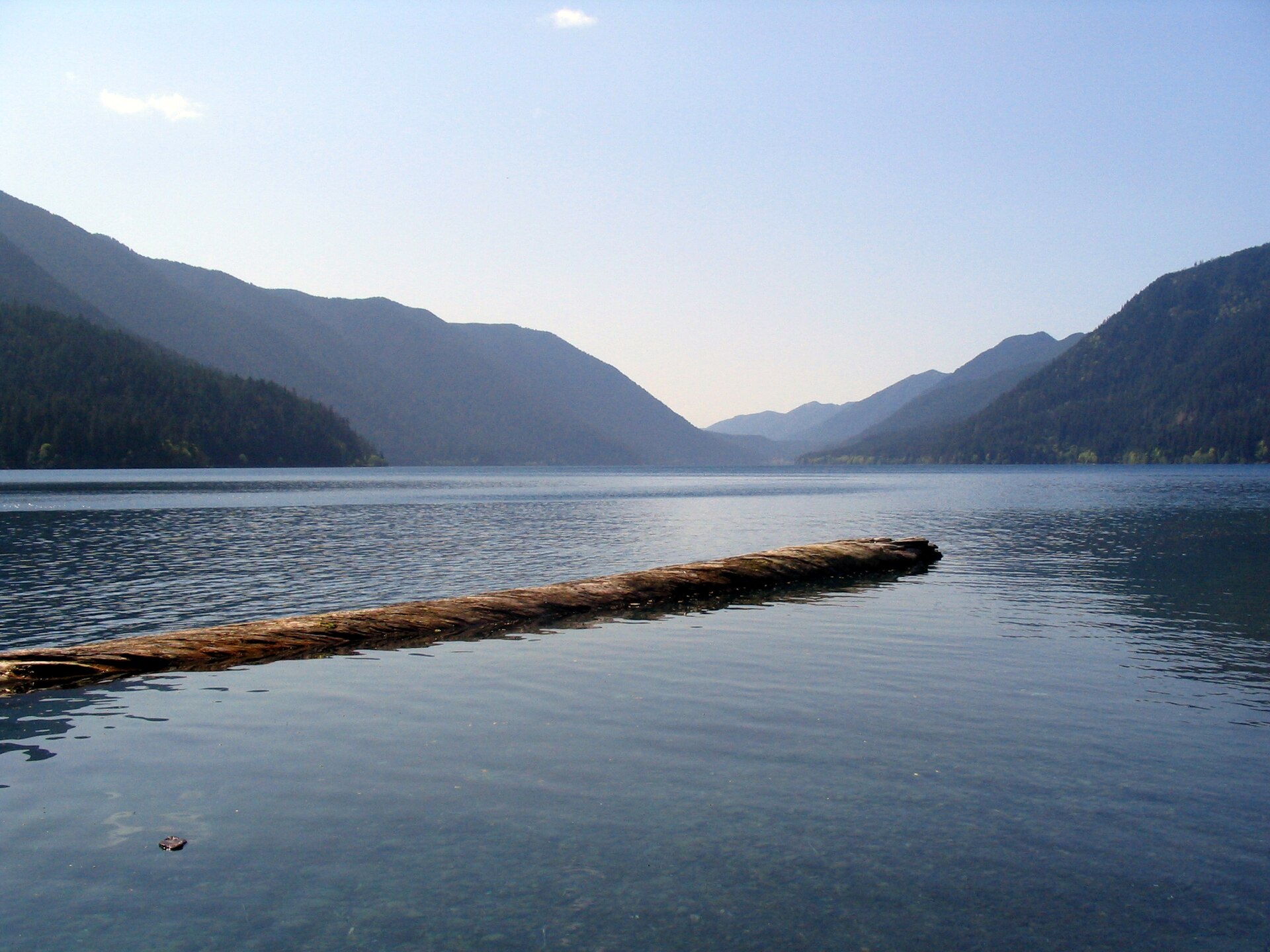
Once you arrive, visit Lake Crescent if time permits. Its clear water and forested shoreline offer a peaceful introduction to the peninsula, and short lakeside walks make a good choice after a travel day. Stop at the Olympic National Park Visitor Center if it is open, ask about current trail and road conditions, and enjoy dinner in Port Angeles before resting for the mountain adventures ahead.

Tour on Honge
Olympic National Park Self-Guided Driving Audio Tour
A downloadable audio guide for a self-drive loop through the park’s mountains, rainforest and coast — a flexible add-on once you have a rental car on the peninsula.
Day 4: Mountain Views at Hurricane Ridge
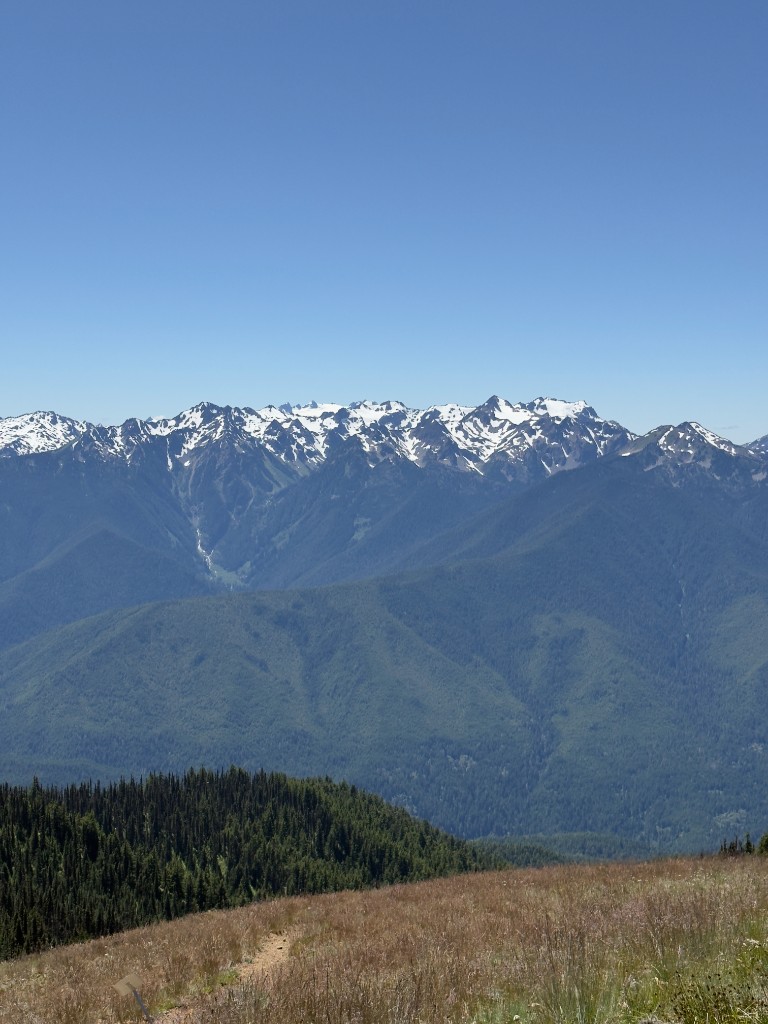
Start early and drive towards Hurricane Ridge, one of the most accessible mountain areas in Olympic National Park. On clear days, the viewpoints offer broad panoramas of the Olympic Mountains and their glaciated peaks. Choose a short walk or a longer hike based on your fitness, the weather and current trail conditions, and bring warm layers even if the morning begins pleasantly.
After exploring the ridge, return towards Lake Crescent for a lakeside walk or picnic if you did not have enough time the previous day. Alternatively, consider Sol Duc Falls if road access and your schedule permit; the trail leads through evergreen forest to a waterfall framed by moss-covered trees. Avoid combining too many distant stops, since the peninsula’s winding roads can make travel slower than expected.
Day 5: Hoh Rain Forest and the Rugged Pacific Coast
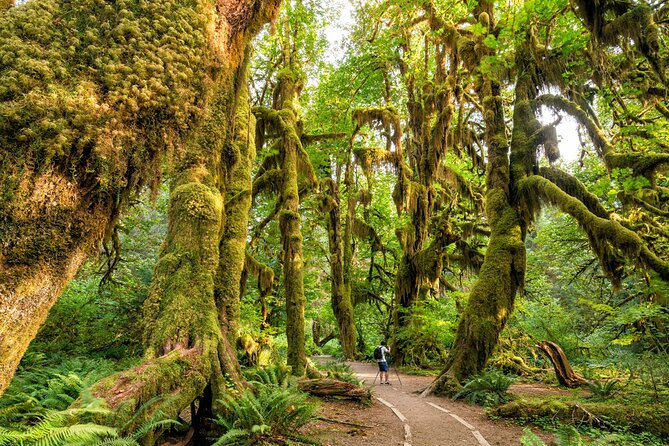
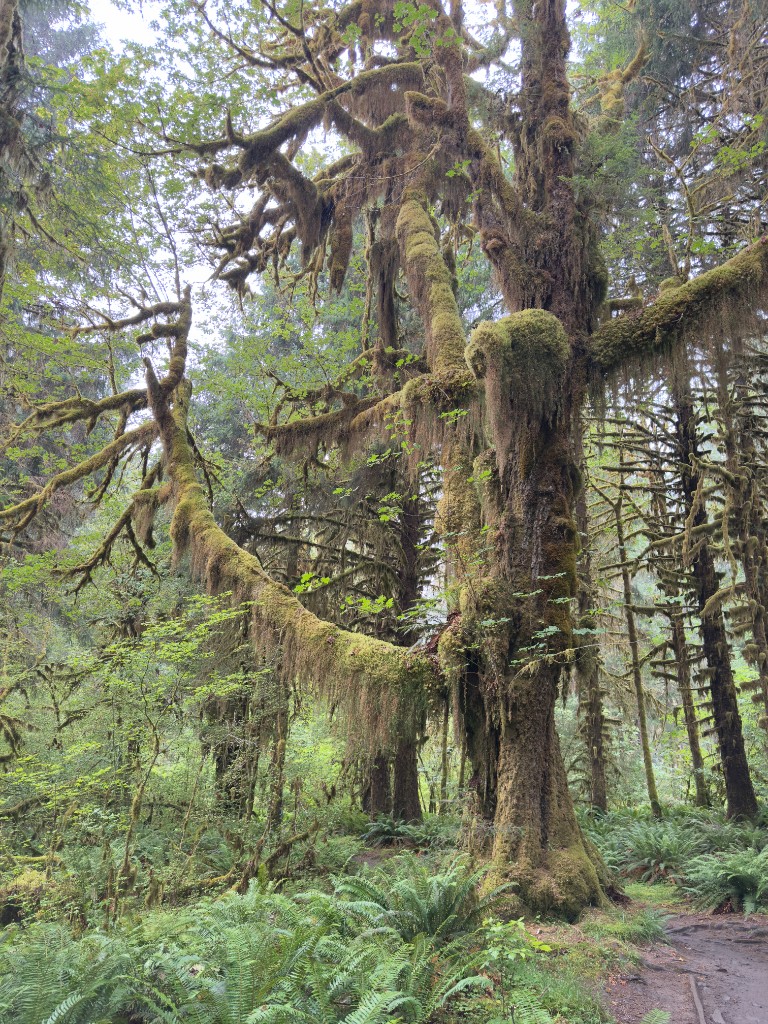
Head towards the Hoh Rain Forest early, where towering trees, moss-covered branches and thick green undergrowth create an extraordinary temperate rainforest landscape. Walk the Hall of Mosses Trail for a relatively short introduction to the forest, or choose the Spruce Nature Trail for another perspective. Arrive early when possible, because parking and entrance queues can become lengthy during the summer season. Check the park’s current conditions before setting out.
From the Hoh, continue toward the Pacific coast via Forks. Visit Rialto Beach first — it sits west of Forks on the La Push road and pairs cleanly with an overnight nearby — then drive south on Highway 101 to Ruby Beach if you still have daylight and energy. Doing Ruby before Rialto usually means extra backtracking on 101, so keep that order in mind when planning the afternoon. Both beaches offer sea stacks, driftwood and rugged shoreline, and the coast is a striking contrast to the sheltered rainforest. Stay overnight around Forks or nearby. Check tide and surf conditions before exploring the shoreline, and keep a safe distance from waves and unstable driftwood.
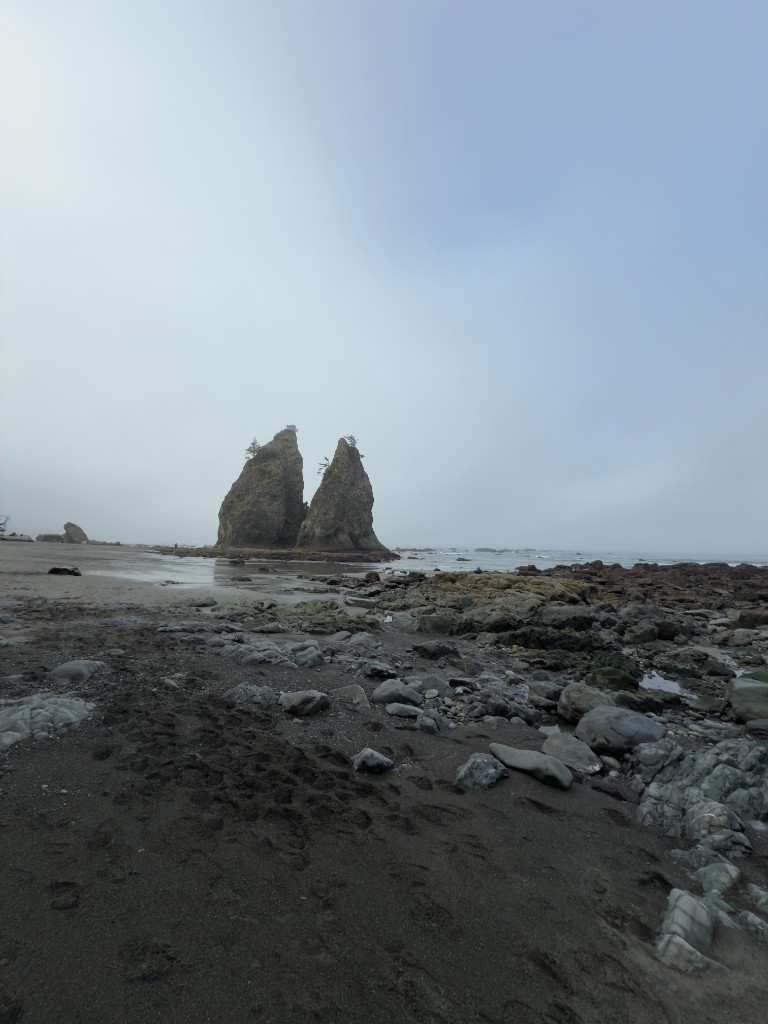
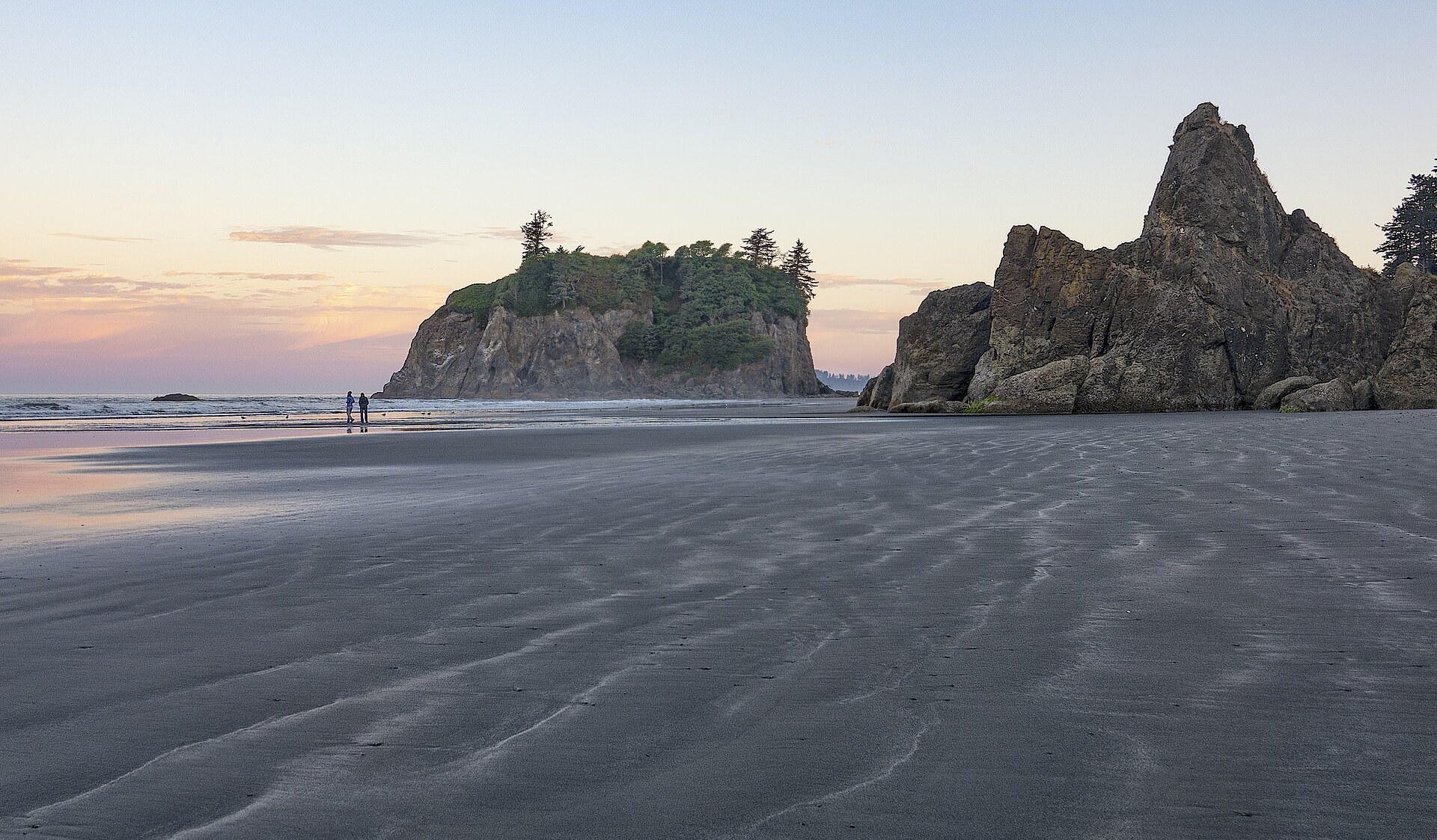

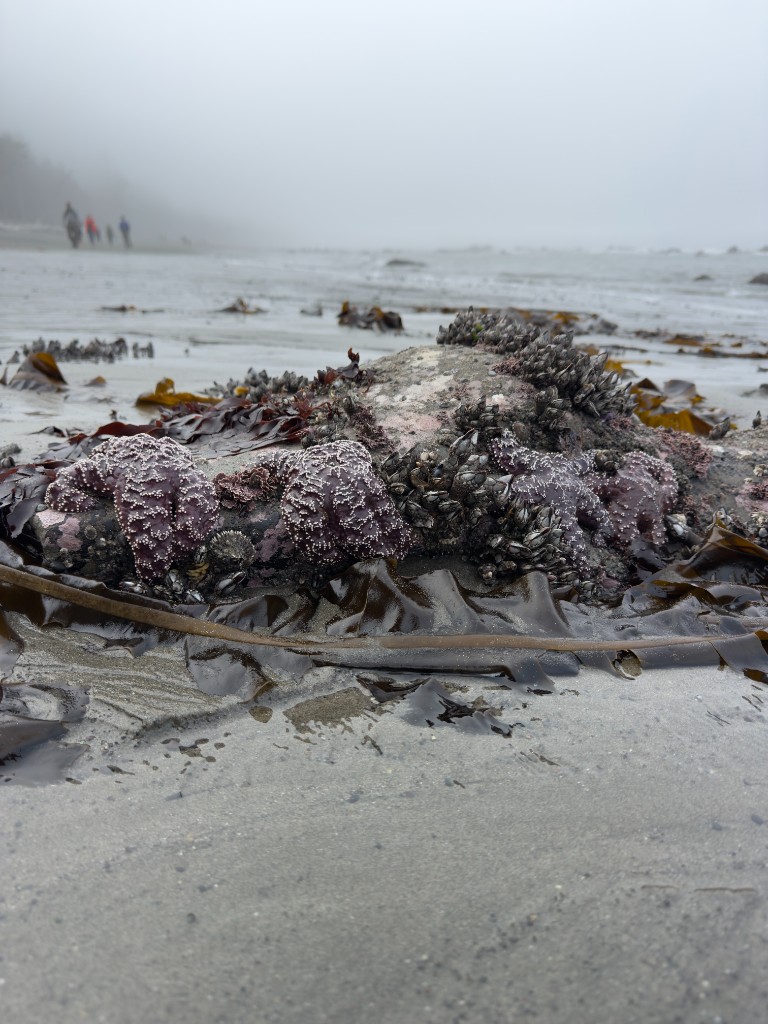
At low tide, rocky stretches of this coast are excellent for tide pooling. Look for sea stars, barnacles, mussels and kelp clinging to the rocks, but step carefully on wet surfaces, leave wildlife undisturbed and watch for incoming waves.
Day 6: Drive to Anacortes and Ferry to San Juan Island
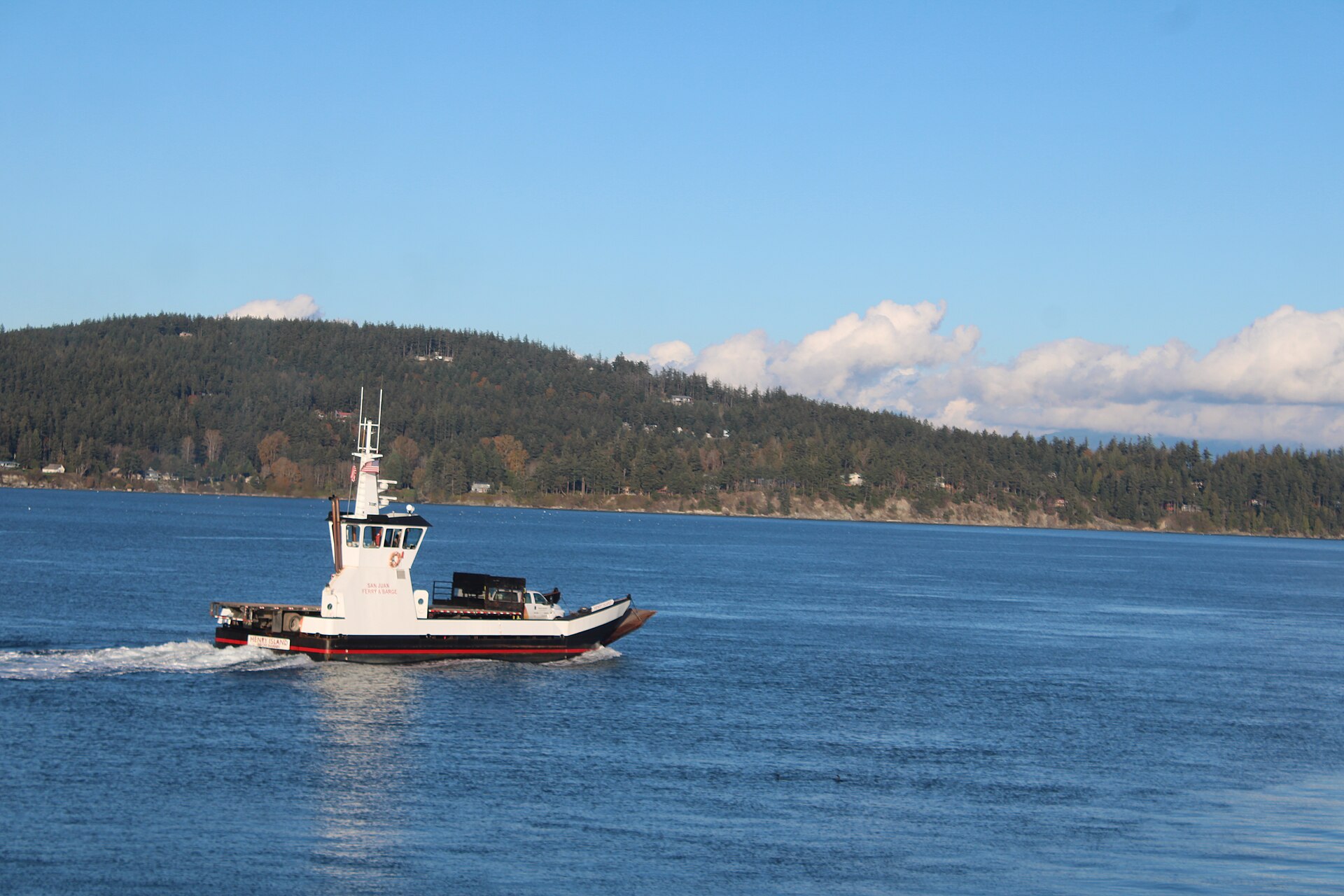
Leave the Olympic Peninsula early and drive towards Anacortes, the mainland ferry terminal for the San Juan Islands. This is a long transfer day, so check your ferry sailing in advance and plan the drive around the required check-in time. If you have time before check-in, explore downtown Anacortes, walk around the marina or browse local shops, but prioritise reaching the terminal on time. Avoid adding too many sightseeing stops to this day.
After reaching San Juan Island, head to Friday Harbor and settle into your accommodation. Spend the afternoon exploring the harbour, visiting independent shops and galleries, or stopping at a café for a relaxed meal. Friday Harbor is a convenient base for island excursions and restaurants, and its waterfront makes an enjoyable place to spend the evening after the drive and ferry crossing.

Day 7: Whale Watching, Coastal Roads and Island Life
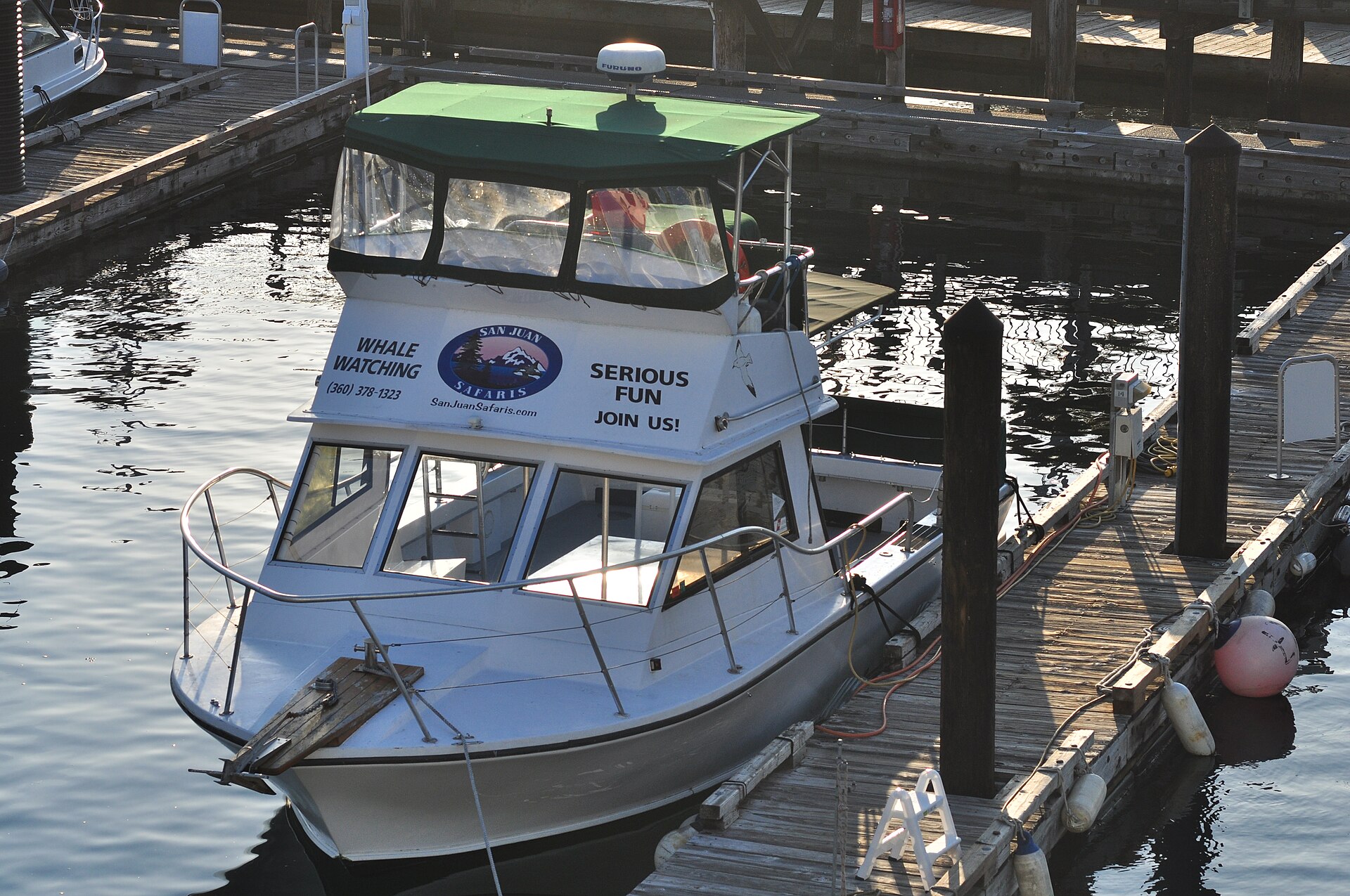
Spend your full day exploring San Juan Island. Book a whale-watching trip if you would like to experience the surrounding marine environment, or choose a guided kayaking excursion in suitable weather. Orcas are among the wildlife visitors hope to see, but sightings are never guaranteed, so bring warm clothing, follow your operator’s wildlife-viewing guidance and enjoy the wider coastal scenery too.
Later, explore San Juan Island’s scenic roads and viewpoints. Lime Kiln Point State Park is a popular land-based whale-watching location, while Roche Harbor offers a marina, waterfront walks and sculpture displays. Continue to American Camp and South Beach for coastal scenery and a glimpse into the island’s history. If time allows, stop at a local café or browse the independent shops in Friday Harbor before dinner. Confirm the next day’s ferry schedule before returning to your accommodation.

Day 8: Return to Seattle and Depart
Take the ferry from Friday Harbor back to Anacortes and continue by road towards Seattle. Allow plenty of time for ferry check-in, loading, disembarking, traffic and returning your rental car. Avoid scheduling a major attraction before your flight, as delays on either the ferry or the road can quickly affect your departure plans.
If your flight is later in the day, you may have time for a relaxed meal or a brief stop in Seattle, depending on your sailing and traffic. For an early flight, consider returning to Seattle the previous evening instead of relying on a same-day island-to-airport connection. Finish the trip with a final view of the waterfront or skyline, carrying memories of the region’s markets, rainforests, mountains and island coastlines.

Estimated Budget
The following is an indicative budget in US dollars per person for eight days and seven nights, excluding international flights. It assumes two people sharing a room, a rental car for the Olympic Peninsula, ferry travel and a mix of casual meals and paid activities.
| Expense | Budget | Mid-range | Comfortable |
|---|---|---|---|
| Accommodation (7 nights, shared) | $350–600 | $700–1,200 | $1,400–2,450 |
| Food and drinks | $240–360 | $400–640 | $640–960 |
| Rental car, fuel and parking | $180–300 | $250–400 | $350–550 |
| Ferries and island transport | $70–150 | $100–200 | $150–300 |
| Activities and sightseeing | $50–150 | $180–350 | $350–650 |
| Miscellaneous | $50–100 | $100–180 | $180–300 |
| Estimated total per person | $940–1,660 | $1,730–2,970 | $3,070–5,210 |
Where to Stay
- Seattle — 2 nights: Downtown or the area near Pike Place Market is convenient for the market, waterfront and central attractions. Capitol Hill is a good alternative if you prefer independent cafés, restaurants and nightlife.
- Port Angeles — 2 nights: A practical base for Hurricane Ridge and Lake Crescent.
- Forks or the western Olympic Peninsula — 1 night: Staying closer to the Hoh Rain Forest and Pacific beaches reduces backtracking and makes it easier to explore the coast without rushing.
- Friday Harbor, San Juan Island — 2 nights: Staying in or near town provides access to restaurants, tour operators and the ferry terminal. Reserve early for summer dates.
Getting Around and Driving Times
A rental car is useful for Olympic National Park and for exploring San Juan Island. You can explore central Seattle without a car, so consider collecting your rental when you leave the city rather than paying for parking throughout your Seattle stay.
| Route | Planning estimate |
|---|---|
| Seattle to Port Angeles via Bainbridge ferry | Allow around 2.5–3.5 hours or more, including crossing and road travel |
| Port Angeles to Hurricane Ridge | Around 30–45 minutes each way |
| Port Angeles to Lake Crescent | Around 30–40 minutes each way |
| Port Angeles to the Hoh Rain Forest | Roughly 1.5–2 hours each way |
| Olympic Peninsula to Anacortes | Several hours; plan a long transfer day |
| Anacortes to Friday Harbor | Ferry crossing; check the current sailing schedule |
| Anacortes to Seattle | Around 2 hours or more, depending on traffic |
Ferry Reservations and Rental-Car Advice
Vehicle reservations are strongly recommended for the Anacortes–San Juan Islands route. A vehicle reservation is separate from the ferry ticket, and you should plan to arrive at the terminal 45–60 minutes before your reserved sailing. Reservations are one-way, so arrange both departure and return legs. Check your rental agreement before taking a vehicle on the ferry.
If you travel as a walk-on passenger, Friday Harbor is easy to explore on foot, but many island viewpoints and parks are spread out. Decide how you will get around before booking accommodation and tours. Download offline maps, keep your ferry confirmation accessible and leave enough time between ferry arrivals and scheduled activities.
What to Eat
- Seattle: Try fresh seafood, Pacific Northwest salmon, coffee from local roasters and pastries or prepared foods from Pike Place Market.
- Olympic Peninsula: Look for casual cafés, seafood and hearty meals in Port Angeles, Forks and nearby communities. Carry snacks and water for longer park days because services can be limited.
- San Juan Islands: Enjoy seafood, local cafés, seasonal produce and relaxed waterfront dining in Friday Harbor. Check opening hours ahead of time, particularly outside the busiest season.
Best Time to Visit
Late June through September is a useful starting point for this itinerary because conditions are generally more favourable for hiking, mountain viewpoints, kayaking and island excursions. Summer is also the busiest season, so reserve accommodation and ferry travel early.
Spring can bring lush forests and fewer visitors, but mountain roads and trails may still be affected by snow or weather. Autumn offers quieter travel and beautiful forest colours, though daylight hours shorten and some services may operate less frequently. Rain, fog and changing conditions are possible throughout the year, and the weather can differ sharply between Seattle, the mountains, rainforest and coast.
FAQs
1. Is eight days enough for Seattle, Olympic National Park and the San Juan Islands?
Yes. Eight days gives you time to explore Seattle, visit several major areas of Olympic National Park and spend two nights on San Juan Island. You will still need to prioritise because the peninsula is large and travel between destinations takes time.
2. Do I need a rental car?
A car is strongly recommended for Olympic National Park and useful for exploring San Juan Island. You can explore much of central Seattle without one, so consider arranging the rental when you leave the city.
3. Should I take my car to the San Juan Islands?
It depends on your plans. A car makes it easier to visit places outside Friday Harbor, but walking on to the ferry can be practical if you have tours arranged and plan to stay near town. Check your rental agreement and compare ferry costs before deciding.
4. Do I need to reserve the ferry?
Vehicle reservations are strongly recommended on the Anacortes–San Juan Islands route. A vehicle reservation is separate from a ticket, so check the official instructions and book the return journey too.
5. Can I see orcas in the San Juan Islands?
Orcas are among the wildlife visitors hope to see, but sightings are never guaranteed. Choose a responsible operator and treat the trip as a chance to experience the marine environment as a whole.
6. Is this itinerary suitable for families?
Yes, if you adjust hiking distances and activities to suit your group. Seattle’s market and waterfront, Lake Crescent, shorter forest trails and island-town walks offer flexible options. Check trail conditions and tour age requirements in advance.
7. Can I fly out of Seattle on Day 8?
Yes, but choose a later departure and leave a generous buffer for the ferry, drive and airport procedures. If you have an early flight, consider returning to Seattle the previous evening.
Useful Links
- Seattle visitor information
- Pike Place Market visitor information
- Olympic National Park current road conditions
- Washington State Ferries vehicle reservations
Ready to Start Your Adventure?
From Seattle’s energetic markets to Olympic National Park’s ancient forests and rugged coast, then across the water to the San Juan Islands, this eight-day trip offers a varied introduction to Washington State. Take time to enjoy the landscapes rather than rushing between them, check conditions before setting off and plan ferry travel carefully. With a flexible schedule and the right layers for changing weather, you can experience the Pacific Northwest’s city life, wilderness and island charm in one memorable journey.
Ready for Seattle, Olympic and the San Juans?
Plan your Pacific Northwest trip with Honge
Keep this eight-day route as your base, then settle ferry bookings, park days and overnight stays around your dates.
Related itineraries
Written by
This blog was contributed by Sheba M, a travel enthusiast and writer. Sheba can be reached at shebaranjitha@gmail.com.
About Honge
Honge is an AI travel planning platform focused on practical, experience-led itineraries with realistic pacing and logistics. All blog content is edited and published by Honge. Our Pacific Northwest research draws on updated practical logistics as of October 2026. © Honge. All rights reserved.
Image credits: Photos are sourced from Wikimedia Commons. Copyright remains with their respective photographers and rights holders under the licences noted on each Commons file page. Unsplash originals cited in the editorial brief were unavailable for automated download at publish time.
Travel disclaimer
This itinerary is general travel inspiration and planning guidance only, not personalised travel, safety, driving or medical advice. Park roads, trail access, tide and surf conditions, and ferry schedules can change quickly — check Olympic National Park alerts, local tide information and Washington State Ferries before travelling. Suggested stay areas are samples only and depend on availability; in the Honge app they may appear as booking options when offered by our vendors at the time of your search. Honge is not responsible for changes to conditions, services or experiences after publication.