
Start with this itinerary
This trip is already built in Honge. Open it and make it yours: swap stops, shift days, change the pace.
How Many Days in New York and Washington DC Is Enough?
Seven days is enough for a first combined visit: four nights in New York for Midtown, Central Park, Lower Manhattan and Brooklyn, then an Amtrak ride south for the National Mall, a Smithsonian museum and Georgetown before departure.
Keep the itinerary to these two cities. Adding Boston, Philadelphia or a wider East Coast road trip into the same week usually turns landmark days into transfer days. With more time, add a second Broadway show, a longer Ellis Island visit or an extra DC museum day.
Introduction
New York City and Washington DC offer two very different ways to experience the United States. New York is fast-paced, creative and endlessly varied, with towering skyscrapers, legendary neighbourhoods, exceptional food and theatre that draws visitors from around the world. Washington DC feels more spacious and reflective, with monumental architecture, powerful historic sites and some of the finest museums in the country.
The best part? You can combine both cities in seven days without hiring a car. A direct train between New York’s Penn Station and Washington’s Union Station generally takes around three hours, making this an easy and rewarding two-city trip.
Spend the first four days exploring Manhattan, discovering New York’s neighbourhoods, visiting a major museum, taking in the skyline and enjoying a Broadway show. Then travel south to Washington DC for three days of monuments, Smithsonian museums, historic landmarks, Georgetown streets and excellent food.
This itinerary balances the big-ticket attractions with time to wander, eat and experience each city beyond its famous photographs.
New York & Washington DC at a Glance
- Duration: 7 days, 6 nights
- Route: New York City (4 nights) → Washington DC (2 nights) → departure
- Best for: First-time visitors, city breaks, museums, food, architecture and American history
- Travel style: Independent city exploration with pre-booked experiences
- Main transport: Subway and walking in New York; Metro and walking in Washington DC; train between cities
- Trip highlights: Statue of Liberty, Central Park, an observation deck, Broadway, the National Mall, Smithsonian museums and Georgetown
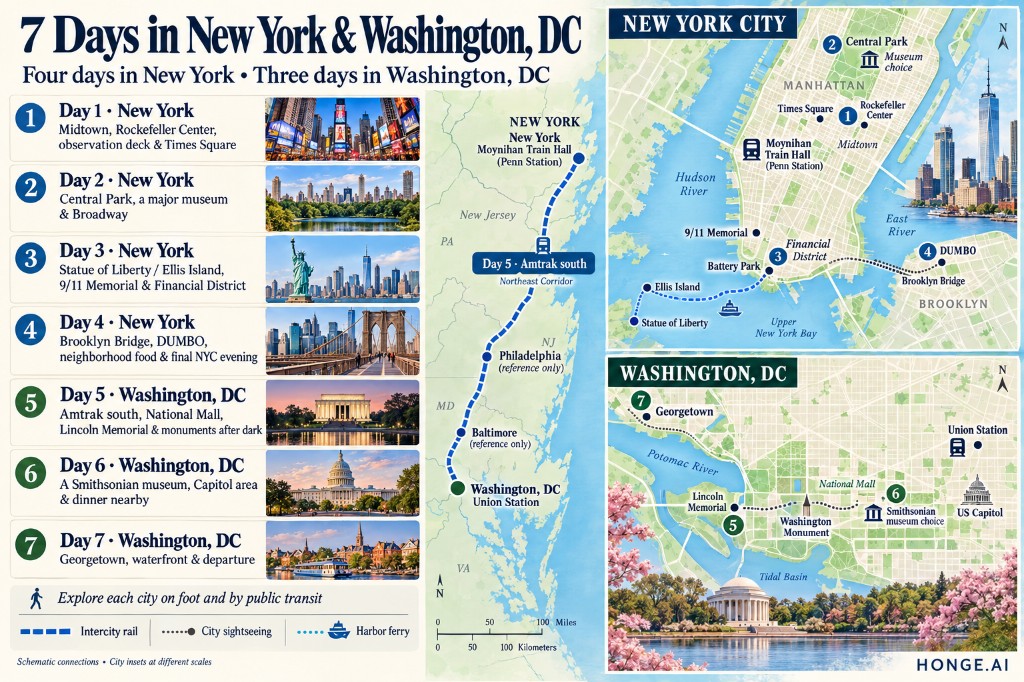
Midtown → Central Park & Broadway → Statue of Liberty & Lower Manhattan → Brooklyn → Amtrak → National Mall → Smithsonian & Capitol → Georgetown
Journey Overview
| Day | Base | Focus |
|---|---|---|
| Day 1 | New York | Midtown, Rockefeller Center, observation deck, Times Square |
| Day 2 | New York | Central Park, one major museum, Broadway |
| Day 3 | New York | Statue of Liberty / Ellis Island, 9/11 Memorial, Financial District |
| Day 4 | New York | Brooklyn Bridge, DUMBO, neighbourhood food, final NYC evening |
| Day 5 | Washington DC | Amtrak south, National Mall, Lincoln Memorial, monuments after dark |
| Day 6 | Washington DC | One Smithsonian museum, Capitol area, dinner nearby |
| Day 7 | Washington DC | Georgetown, waterfront, departure |
Route Map
Day 1: Midtown Manhattan, Times Square and the Skyline
Check into your accommodation and start with Midtown Manhattan, one of the most convenient areas for first-time visitors. Head towards Bryant Park and walk past the New York Public Library on Fifth Avenue, then continue to Grand Central Terminal, where the historic main concourse is worth a stop even if you are not catching a train.
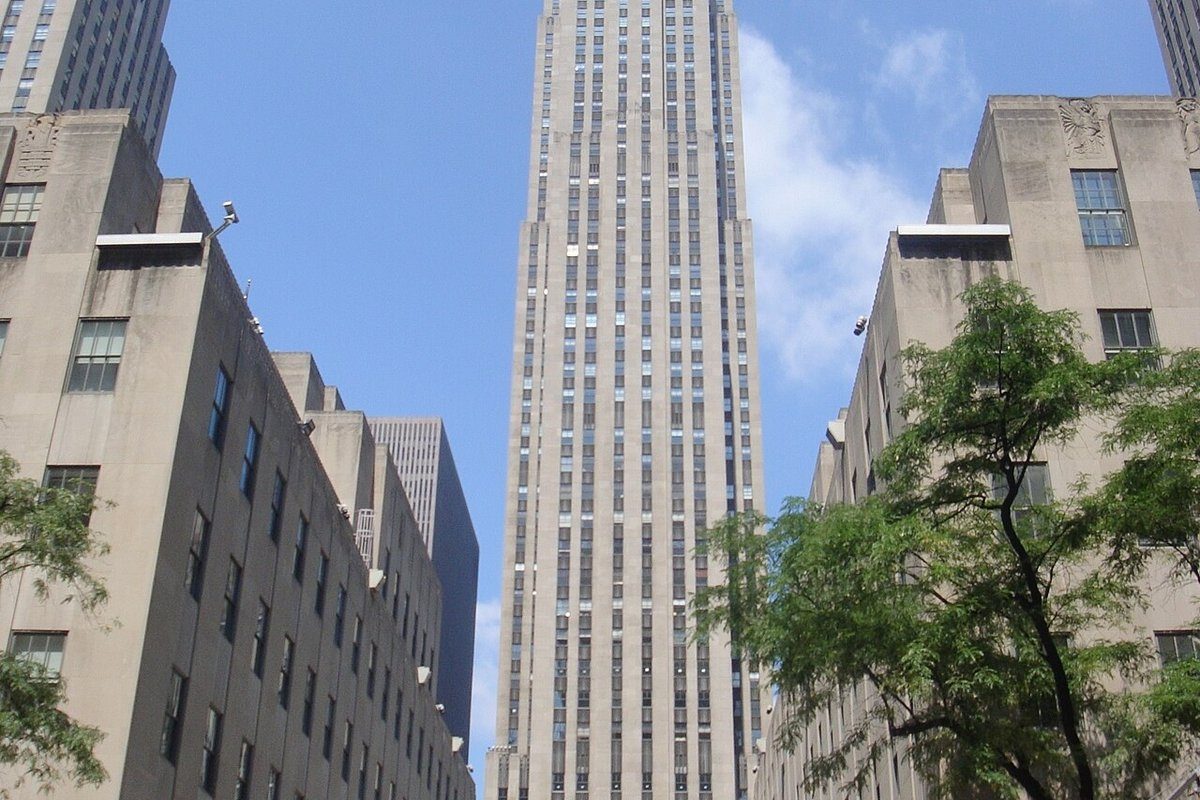
Walk towards Rockefeller Center, known for its Art Deco architecture and public spaces, and continue along Fifth Avenue past St Patrick’s Cathedral. Late afternoon, book one major observation deck rather than trying to fit in several: Top of the Rock for views that include the Empire State Building and Central Park; SUMMIT One Vanderbilt for a contemporary immersive experience; or the Empire State Building for the classic landmark. Book a timed ticket in advance, particularly for sunset.
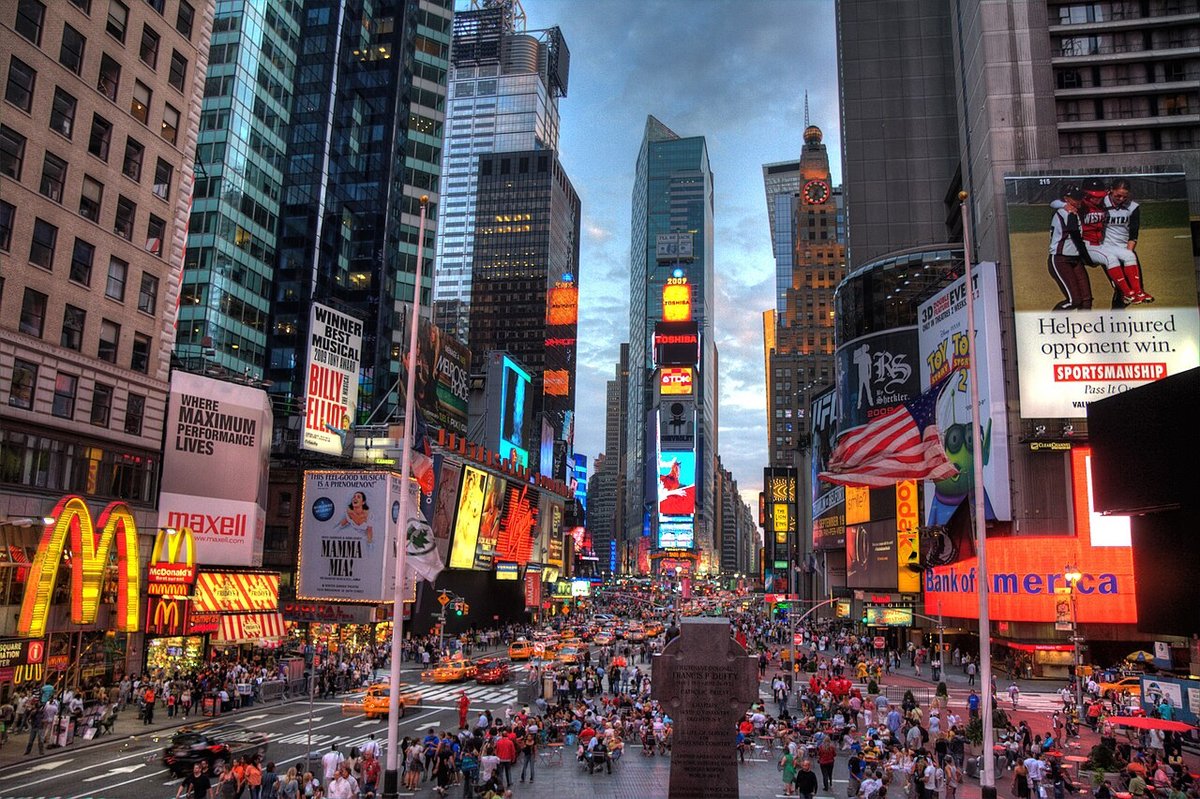
Finish at Times Square after dark — busy and intense, but part of the first-time experience. Have dinner nearby or a few blocks away from the busiest stretches.
Food note: Try a classic New York pizza slice, a bagel or a deli sandwich.
Do not miss: Grand Central Terminal and one observation deck.
Logistics: Wear comfortable shoes and use the subway for longer journeys.
Day 2: Central Park, the Upper West Side and a Broadway Show
Start in Central Park. Rather than walking the entire park, choose a route through Bethesda Terrace and Fountain, nearby pathways and Bow Bridge. Allow time for coffee or a simple picnic if the weather is pleasant.
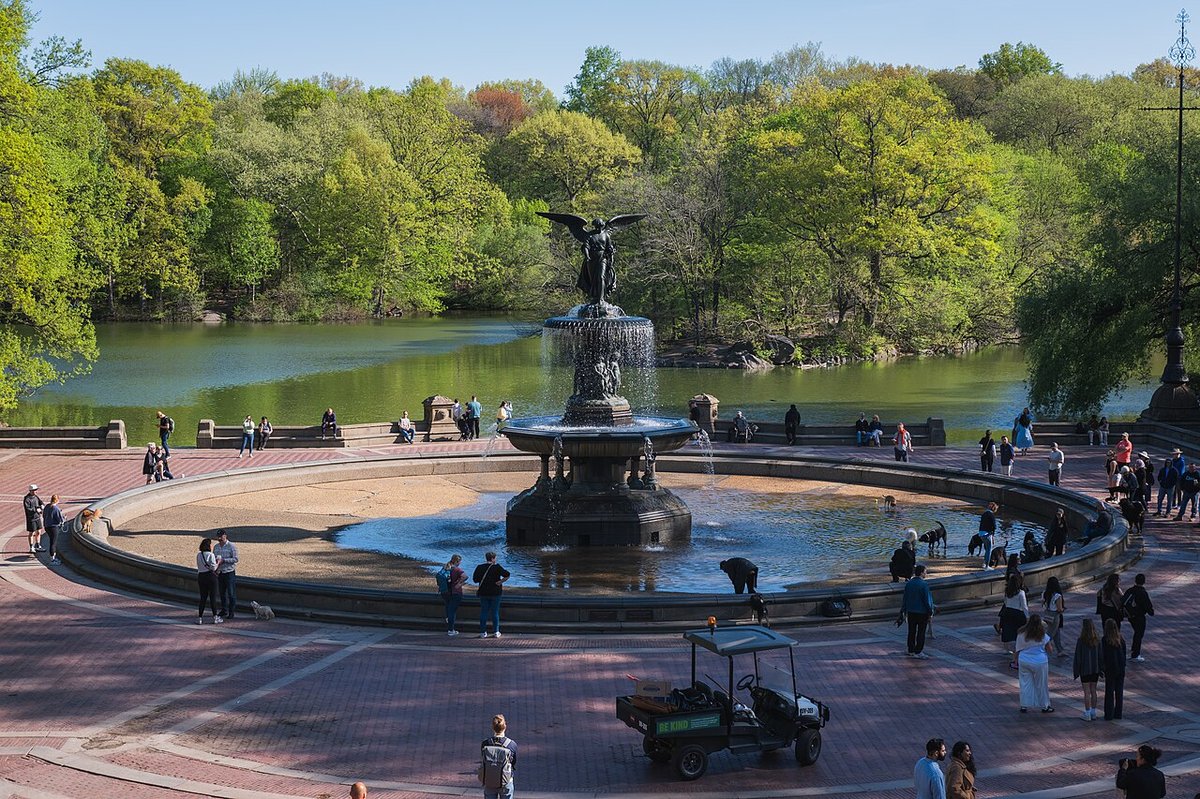
Choose one major museum for the day: the Metropolitan Museum of Art for painting, sculpture and decorative arts, or the American Museum of Natural History on the Upper West Side for science and natural history. Trying both properly would leave little time for the rest of the day.
Spend the afternoon exploring the Upper West Side’s shops and cafés, then make tonight your Broadway evening. Book tickets through an official production or theatre channel where possible, arrive early, and reserve dinner within walking distance of the Theatre District.
Do not miss: Central Park and a Broadway performance.
Logistics: Reserve Broadway tickets in advance and check museum opening days before choosing which collection to visit.
Day 3: Lower Manhattan, the Statue of Liberty and the 9/11 Memorial
Start early at Battery Park. This day works best if you make a choice upfront rather than trying to fit everything in:
- Option A (recommended for first-time visitors): Take the official ferry to Liberty Island and Ellis Island. Allow four to five hours total for security screening, ferry queues, time on Liberty Island, and the Ellis Island immigration museum. Return to Lower Manhattan by early afternoon, then visit the 9/11 Memorial pools (free, no booking needed) before walking the Financial District. Skip the 9/11 Museum today — it warrants a separate visit.
- Option B: Spend the morning at the Statue of Liberty only (no Ellis Island), leaving more time for the 9/11 Museum in the afternoon. The museum is ticketed (around US$33) and takes two to three hours.
Book all ferry tickets in advance through the official Statue City Cruises service; crown access requires a separate reservation made well ahead. Be wary of unofficial sellers who imply that a general harbour cruise includes island access.
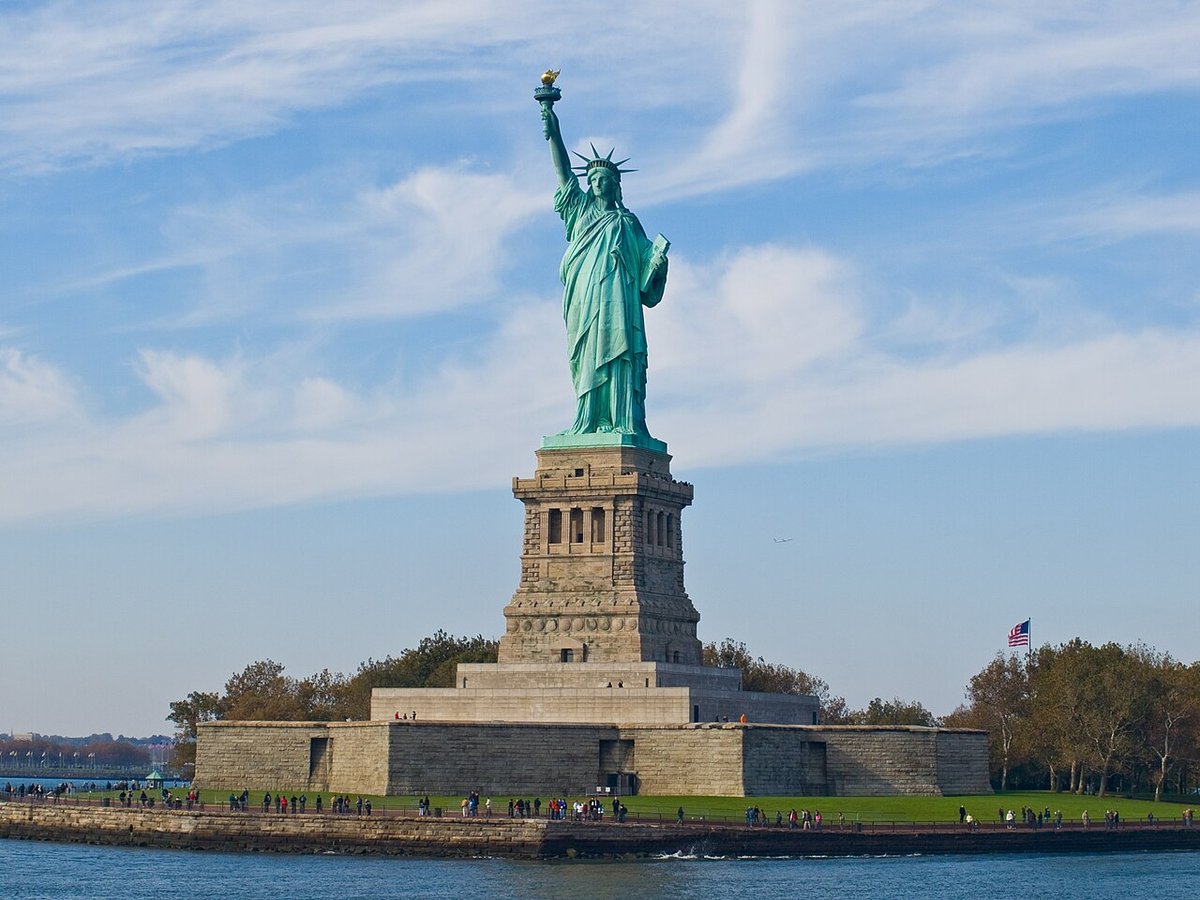
If you prefer a shorter morning, choose a harbour cruise or the free Staten Island Ferry for skyline views instead — note that the Staten Island Ferry does not stop at Liberty Island.
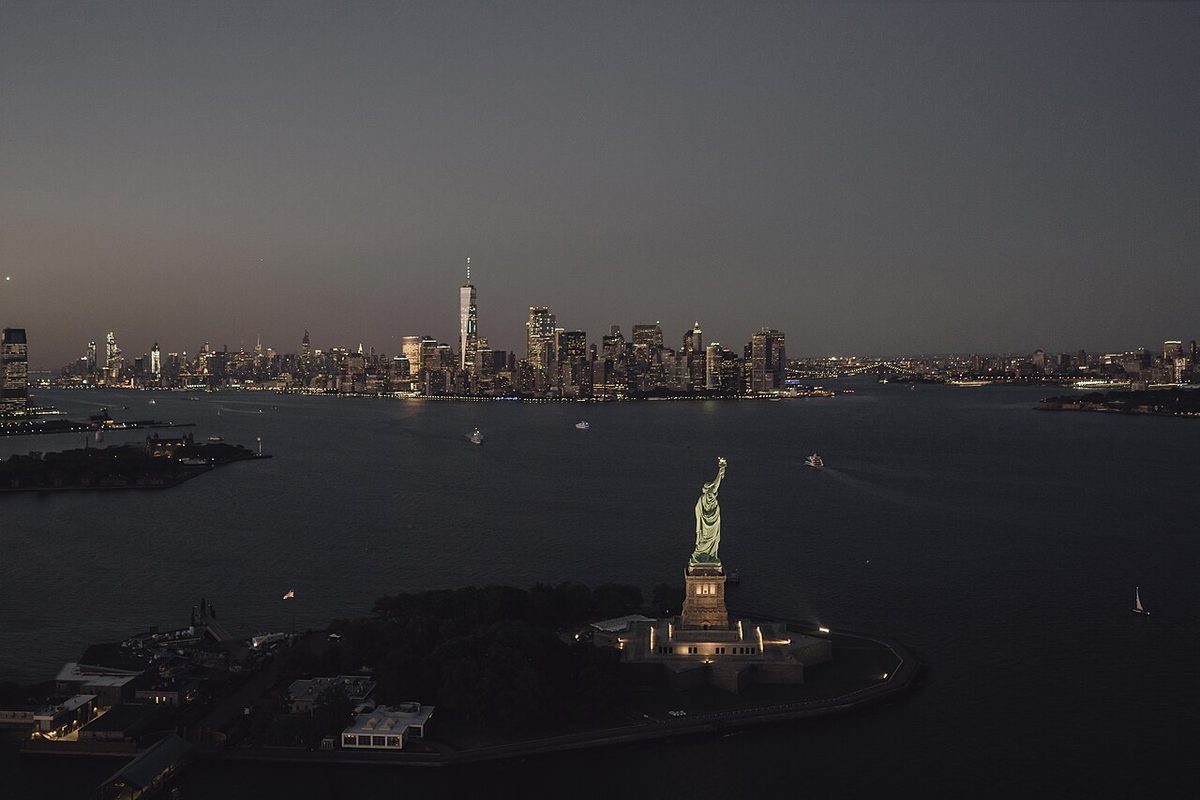
Return to Lower Manhattan for the 9/11 Memorial. The outdoor memorial — the twin reflecting pools set in the footprints of the original towers — is free and requires no advance booking; allow at least 45 minutes. The 9/11 Museum is a separate, ticketed experience (around US$33) located beneath the plaza; it is moving and thorough but takes two to three hours. If you have already spent most of the morning on the ferry, visit the memorial pools and save the museum for a dedicated visit. Later, walk through the Financial District towards Wall Street, then dinner in Lower Manhattan, Chinatown or the Lower East Side.
Logistics: Book official ferry tickets early. Security screening can take time.
Day 4: Brooklyn, Neighbourhood Food and a Final New York Evening
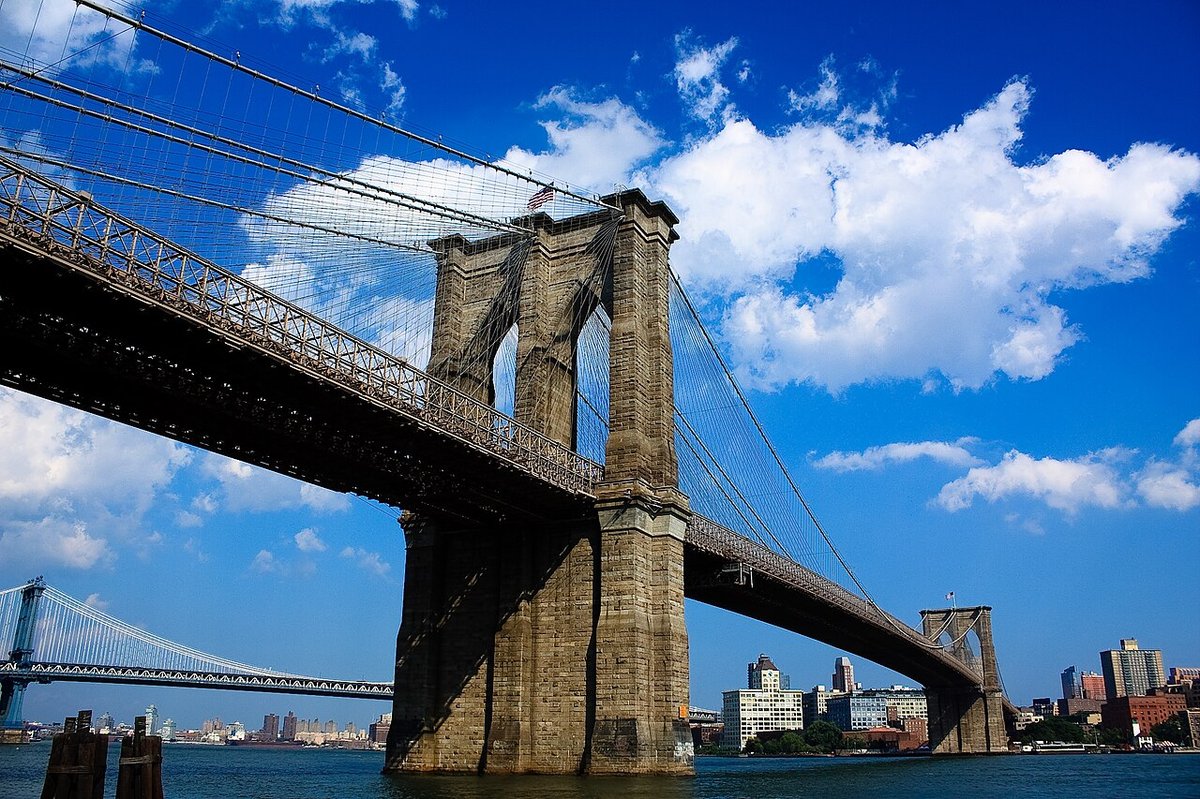
Walk across the Brooklyn Bridge from Manhattan towards Brooklyn, ideally earlier in the day. Stay within the marked pedestrian path and be considerate of cyclists. On the Brooklyn side, explore DUMBO’s converted industrial buildings, cobbled streets and waterfront views at Brooklyn Bridge Park.
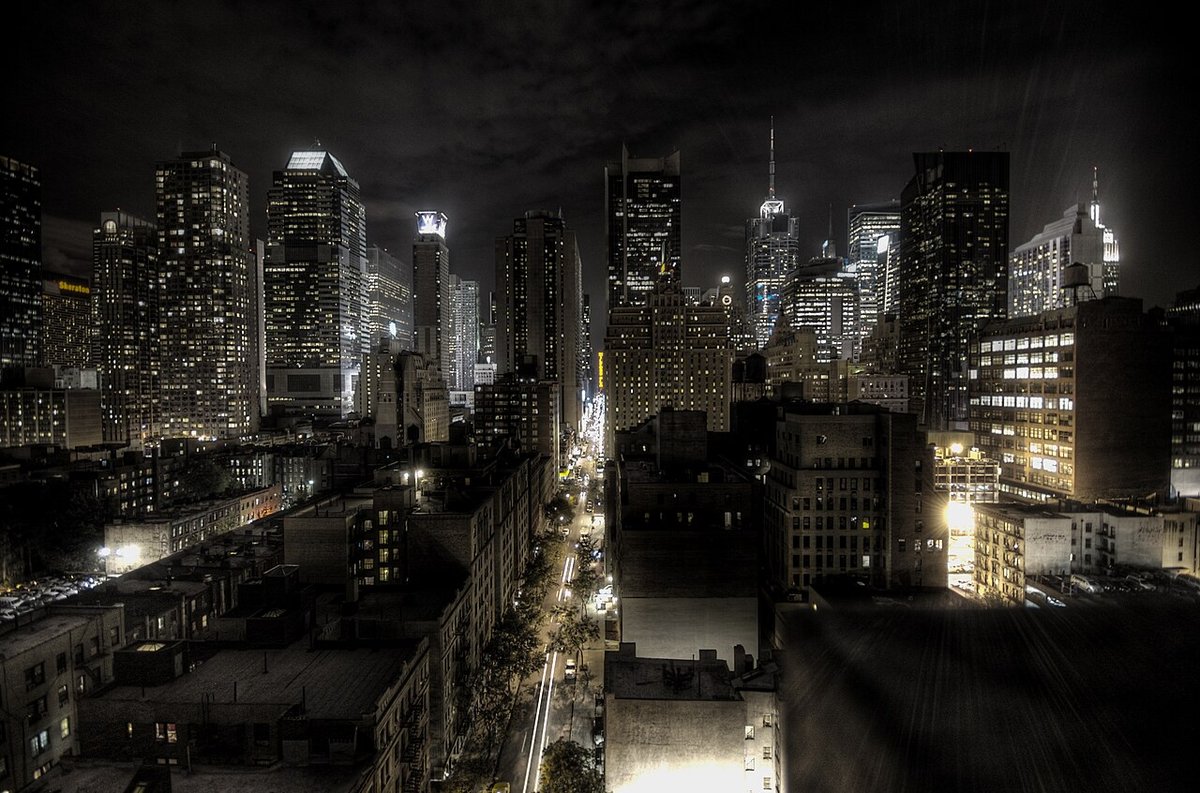
Use the afternoon for one area rather than crossing the entire city: SoHo, Greenwich Village, Chelsea and the High Line, or Chinatown and the Lower East Side. Make New York’s food scene part of the day — a bagel breakfast, pizza, Chinatown lunch or a guided food tour.
Keep your final evening flexible: a rooftop bar, jazz, a relaxed dinner or another skyline view. If you have an early train, pack before dinner and confirm your station and hotel luggage storage.
Tour on Honge
Statue of Liberty & Ellis Island tour
A guided ferry outing to Liberty Island and Ellis Island with reserved round-trip tickets — an easy Day 3 booking if you want island access and context without piecing ferry logistics together yourself.

Tour on Honge
Smithsonian museums walking tour
A small-group guided walk through Natural History, American History and Air and Space with reserved Air and Space entry — a strong Day 6 add-on when you want focus inside the Smithsonian rather than choosing alone.
Day 5: Train to Washington DC, the National Mall and Iconic Monuments
Washington DC is well connected to New York by Amtrak. Taking the train is usually more convenient than driving. Head to Moynihan Train Hall at Penn Station (or the departure location on your ticket). Faster Northeast Corridor services generally take around three hours; book ahead via Amtrak. Aim for a morning departure — arriving in Washington by late morning leaves a full afternoon for the National Mall, whereas a midday train cuts significantly into your sightseeing time.
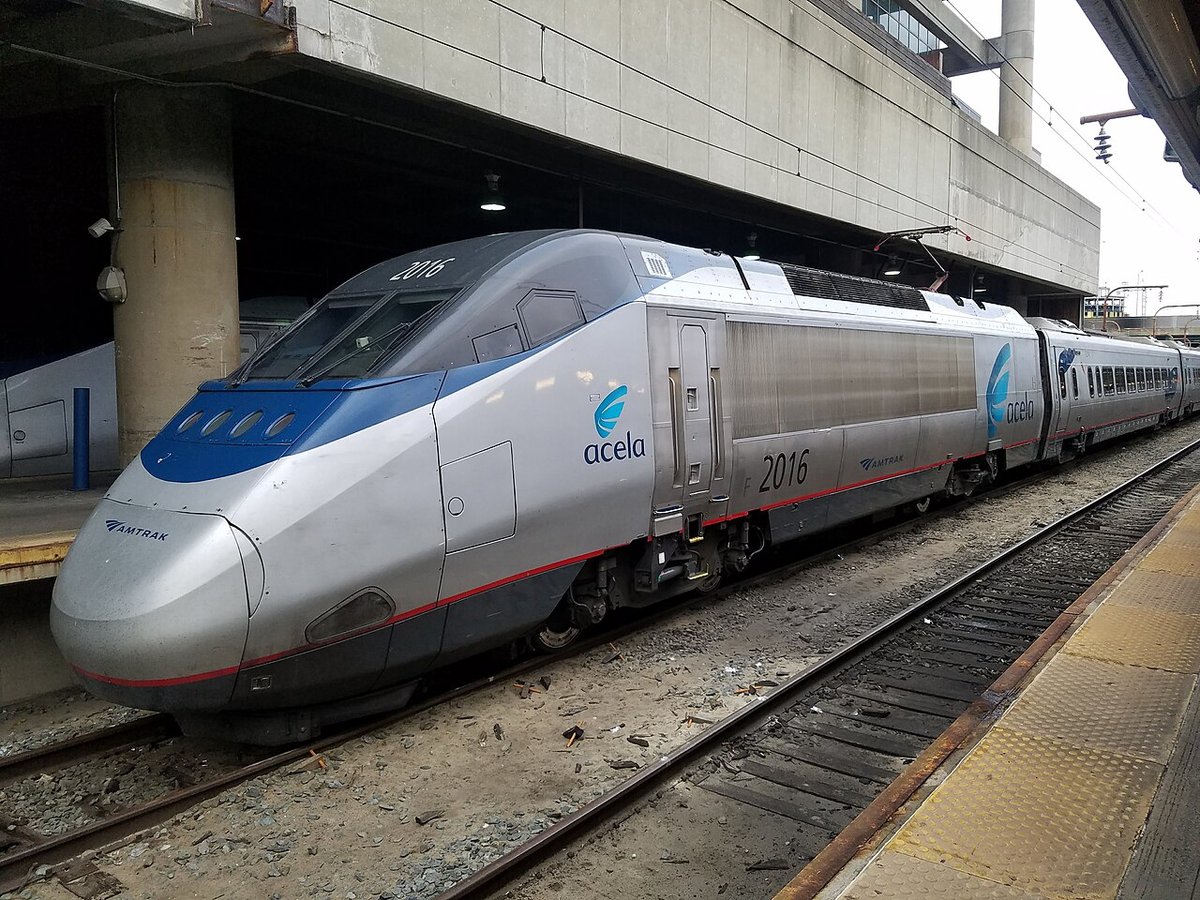
On arrival at Washington Union Station, transfer to your hotel. Strong first-visit bases include Penn Quarter or Downtown, Dupont Circle, Capitol Hill, or near the National Mall. After checking in, head to the National Mall: start near the Washington Monument, then walk towards the World War II Memorial and the Lincoln Memorial Reflecting Pool. Distances are larger than they look on a map.
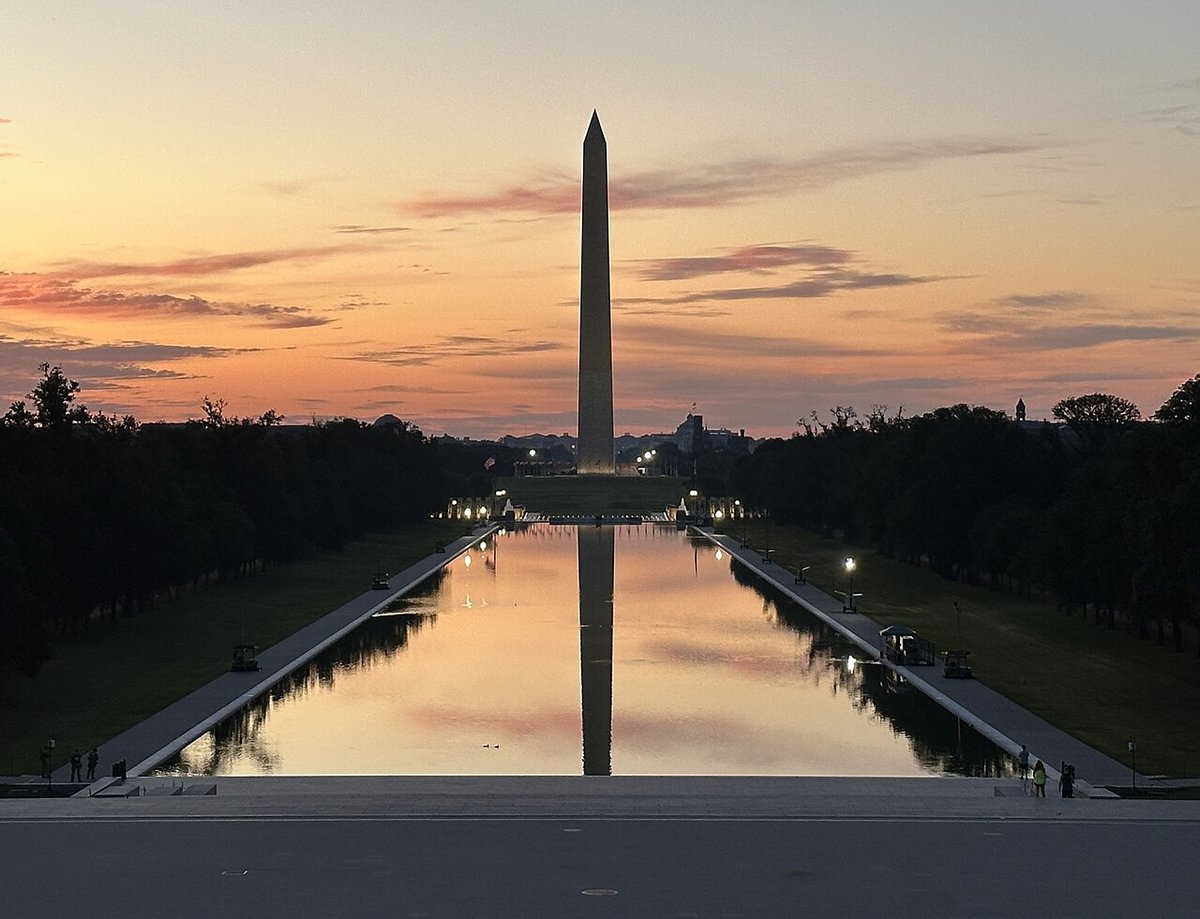
Visit the Lincoln Memorial and, if time allows, the Korean War Veterans Memorial and Vietnam Veterans Memorial. If you still have energy, return after sunset — many memorials are strikingly illuminated. Explore independently or book a reputable evening monuments tour.
Day 6: Smithsonian Museums, Capitol-Area Sights and American History
Pick one major museum based on your interests: the National Air and Space Museum, National Museum of American History, National Museum of Natural History, or the National Gallery of Art if art is your priority. Many Smithsonian museums offer free general admission, but check timed-entry rules and opening days.
In the afternoon, walk towards the United States Capitol. Reserve a tour in advance through official Capitol visitor information where required. The Library of Congress is worth considering for its architecture. Nearby Capitol Hill residential streets provide a quieter contrast. Remember the Capitol complex is a working government area with security requirements.
Dinner in Penn Quarter or Capitol Hill works well depending on where you finish the day.
Day 7: Georgetown, Waterfront Walks and Departure
Georgetown is a lovely way to finish the trip. Start around M Street NW and Wisconsin Avenue NW for shops, historic façades and coffee spots, then walk down to Georgetown Waterfront Park for Potomac River views.
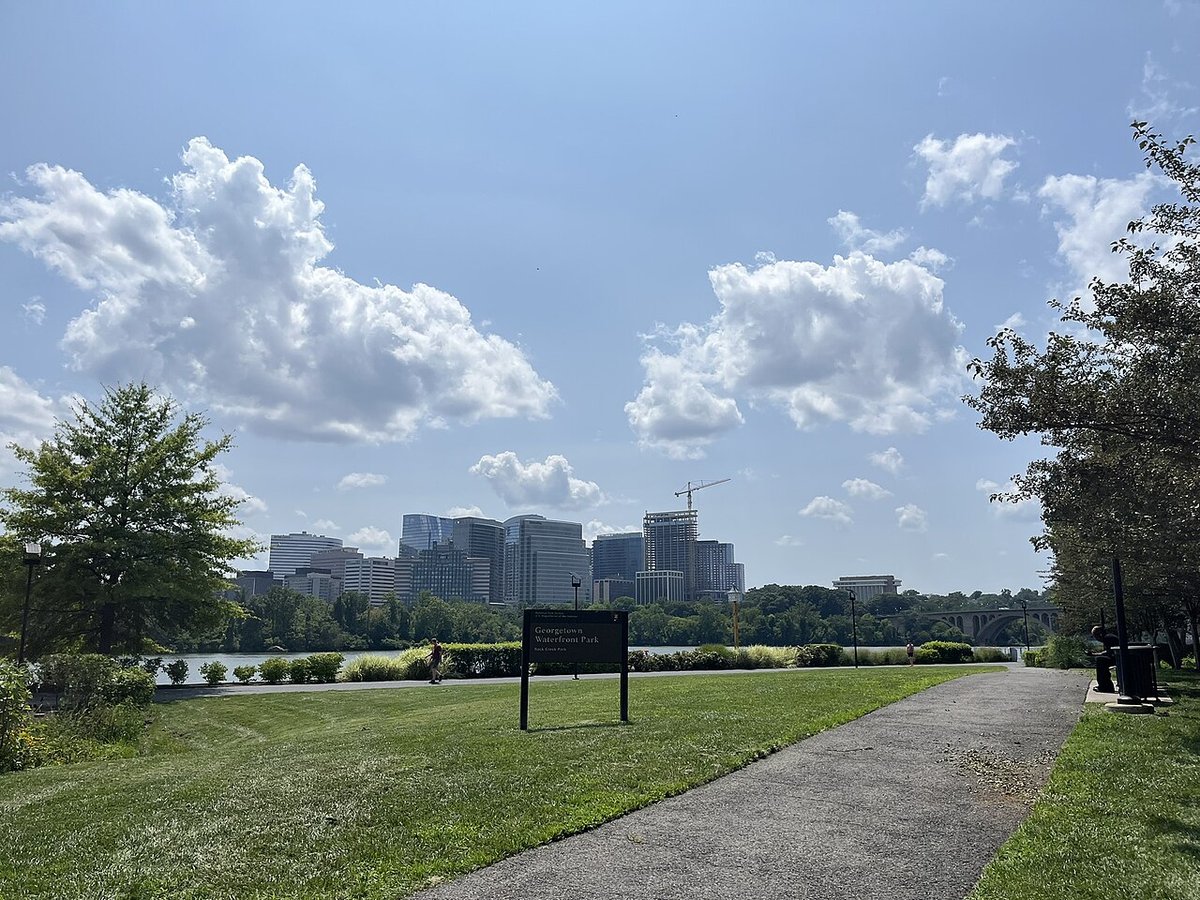
If your departure is later, choose one additional stop near your route. Avoid strict entry times if you have luggage. Confirm which airport you are flying from: Ronald Reagan Washington National Airport (DCA), Washington Dulles International Airport (IAD) or Baltimore/Washington International Airport (BWI) — all serve the DC area, and each has different transport connections into the city. Alternatively confirm your train station and departure time.
Where to Stay
New York City
- Midtown Manhattan: The most practical all-round choice for a first visit — subway access, Broadway, Grand Central and classic attractions.
- Chelsea and Flatiron: Restaurants, galleries and a neighbourhood feel while remaining well connected.
- Upper West Side: Quieter residential feel, Central Park access and proximity to the American Museum of Natural History.
- Lower Manhattan: Convenient for the Financial District, the 9/11 Memorial, ferries and Brooklyn.
Washington DC
- Penn Quarter and Downtown: Strong for a short first visit — restaurants, museums and central Metro access.
- Dupont Circle: Lively neighbourhood with cafés and good transport connections.
- Capitol Hill: Historic streets and proximity to the Capitol.
- National Mall area: Convenient for monuments and museums; compare prices and evening quiet carefully.
In both cities, prioritise a hotel close to a useful subway or Metro station rather than choosing solely by distance to a single landmark. Suggested stay areas are samples only and depend on availability; in the Honge app they may appear as booking options when offered by our vendors.
Getting Between New York and Washington DC
| Transport | Approx. journey | Best for |
|---|---|---|
| Amtrak faster services | Around 3 hours | Saving time, city centre to city centre |
| Other Amtrak services | Often 3–4+ hours | More departures or a lower fare |
| Driving | Often 4–5+ hours | Wider road trips with specific stops |
| Bus | Often 4–5+ hours | Budget travellers accepting a longer journey |
| Flying | Short flight, longer door-to-door | Usually less useful for this itinerary |
Book directly with Amtrak where possible, compare total journey time, travel outside peak periods if you can, check luggage rules, and leave a buffer before any timed activity in Washington.
Airport transport: Reagan National (DCA) has a direct Metro connection on the Blue and Yellow lines — the most convenient option for central DC. Dulles (IAD) is served by the Metro Silver Line, with trains running directly into downtown DC and Tysons. Baltimore/Washington International (BWI) is farther out; the MARC Penn Line and Amtrak both connect it to Washington Union Station.
Local Transport Tips
New York: The subway is usually the most efficient way to cover longer distances. Walking is ideal within neighbourhoods. Taxis and rideshares help late at night or with luggage. Group attractions by area.
Washington DC: Metro is useful between central areas. Walking is best for many monuments, though Mall distances are substantial. Buses help with less direct connections. Check current Metro fares, hours and payment options.
Best Time to Visit
Spring (April–May) and autumn (September–October) are generally excellent for combining the two cities, with comfortable walking conditions. Summer brings long days but heat and humidity — especially in Washington. Winter can be festive with fewer crowds at some attractions, but colder weather and shorter days affect outdoor plans.
Food to Try
New York: New York-style pizza, bagels, deli sandwiches, cheesecake, and neighbourhood food in Chinatown, the Lower East Side or Greenwich Village.
Washington DC: Half-smokes, Ethiopian food, Chesapeake-style seafood, international cuisine across the city, and Georgetown cafés for a final brunch.
Approximate Budget for 7 Days
Broad planning estimates per person in US dollars, assuming two people share a hotel room. Excludes international flights.
| Travel style | Approx. per person | May include |
|---|---|---|
| Budget-conscious | US$1,100–1,700 | Budget stays, public transport, casual meals, selected attractions, advance train booking |
| Mid-range | US$1,800–3,000 | Central hotels, restaurant meals, observation deck, Broadway, train, selected tours |
| Comfort-focused | US$3,500–5,500+ | Higher-end hotels, premium tickets, private transfers, better dining |
These are illustrative estimates, not live prices. Book accommodation early, choose one observation deck, use free Smithsonian admission and monuments, and book Broadway and Amtrak once dates are firm.
Practical Booking Advice
- Amtrak between New York and Washington DC
- Broadway shows
- Statue of Liberty and Ellis Island ferry tickets
- Your preferred observation deck, especially for sunset
- Capitol tours or special museum experiences where reservations are required
- Guided food tours or evening monuments tours if they are a priority
Opening hours, security procedures and timed entry can change — confirm with official sources. Plan one major attraction in the morning, one in the afternoon and an optional evening activity. Prepare for bag checks at museums, government buildings and observation decks.
Important Links
- Statue of Liberty ferry tickets
- Broadway shows
- Top of the Rock tickets
- 9/11 Memorial & Museum
- Amtrak train tickets
- Smithsonian museum visitor information
- US Capitol tours
- Washington DC visitor guide
Frequently Asked Questions
Is seven days enough for New York and Washington DC?
Yes. Four days in New York and three days allocated to Washington DC, including departure, provide a good first introduction. You will see many major highlights, but both cities have enough to fill much longer visits.
Is the train from New York to Washington DC easy?
Yes. Amtrak connects the cities through their central stations, and faster services generally take around three hours. Booking ahead can give you a better choice of fares and departure times.
Should I rent a car?
Usually not for this itinerary. Both cities have public transport, and parking can be expensive and inconvenient. Walking, subway travel, the DC Metro and the intercity train are more practical for most first-time visitors.
Which observation deck should I choose in New York?
Top of the Rock is a strong option for classic skyline views that include the Empire State Building. SUMMIT One Vanderbilt offers a more immersive modern experience, while the Empire State Building is an iconic landmark in its own right. Choose the experience that suits your interests and book a timed ticket.
Are Washington DC’s museums free?
Many Smithsonian museums offer free general admission. Special exhibitions, tours and other attractions may have separate requirements or costs. Always check current visitor information before your visit.
Do I need to book the Statue of Liberty in advance?
Advance booking is strongly recommended, particularly if you want to visit Ellis Island or reserve pedestal or crown access. Buy island ferry tickets through the official Statue City Cruises service and check exactly what your ticket includes.
Where should first-time visitors stay?
In New York, Midtown Manhattan is a practical base for transport, Broadway and classic sights. In Washington DC, Penn Quarter or Downtown offers convenient access to museums and central attractions, while Dupont Circle suits travellers looking for a lively neighbourhood atmosphere.
Can I visit the monuments at night?
Yes, many major outdoor memorials are accessible in the evening, though access and conditions can vary. A self-guided walk or a reputable guided monuments tour can be a memorable way to see Washington after dark.
Prompts to Try in Honge
- Plan a 7-day New York and Washington DC itinerary with four nights in NYC and two nights in DC.
- Build a Broadway-focused New York version with museum mornings and show evenings.
- Create a family-friendly version of this itinerary with shorter walking days.
- Suggest observation decks and Statue of Liberty options for first-time visitors.
- Shape a Smithsonian day around Air and Space or American History with a Capitol afternoon.
- Find food stops in Midtown, Chinatown, Georgetown and Penn Quarter for this route.
Ready to Start Your Adventure?
New York and Washington DC make a natural pairing for a first trip to the United States. New York brings the skyline, neighbourhood energy, iconic food and Broadway magic. Washington DC adds grand monuments, significant history, outstanding museums and a more relaxed rhythm.
The train makes the transition between the two cities straightforward. By grouping sights geographically, booking the most popular experiences in advance and leaving space for spontaneous discoveries, you can enjoy both cities without turning the week into a race.
Ready for skylines, Broadway and the National Mall?
Plan your NYC & DC trip with Honge
This trip is already built in Honge. Open it and make it yours: swap stops, shift days, change the pace.
Related itineraries
- 7 Days in Southern California: Los Angeles, Santa Barbara & Solvang
- 7 Days in Charleston & Savannah: Food, History & the Lowcountry
- 7 Days in New England: The Ultimate Fall Foliage Road Trip
- The Ultimate 10-Day Alaska Road Trip: Glaciers, Wildlife & Denali
- 7 Days in San Diego: Beaches, Neighborhoods & Southern California
Written by
This blog was contributed by B. Sai Nikita, a travel enthusiast and writer. B. Sai Nikita can be reached at bsainikita10@gmail.com.
About Honge
Honge is an AI travel planning platform focused on practical, experience-led itineraries with realistic pacing and logistics. All blog content is edited and published by Honge. Our New York and Washington DC research draws on updated practical logistics as of October 2026. © Honge. All rights reserved.
Image credits: Photos are sourced from Wikimedia Commons. Copyright remains with their respective photographers and rights holders. Wikimedia Commons images are used according to their applicable license terms, including CC BY-SA 3.0 and CC BY-SA 4.0.
Travel disclaimer
This itinerary is intended as general travel inspiration and planning guidance only — not as personalised travel, safety or medical advice. Opening hours, security procedures, timed entry, ferry schedules, Broadway availability, Amtrak times and museum access can change. Confirm details with official sources before you travel. Walking distances around the National Mall are substantial; carry water and wear comfortable shoes. Take out comprehensive travel insurance. Suggested stay areas in this article are samples only and depend on availability; in the Honge app they may appear as booking options when offered by our vendors at the time of your search. Honge is not responsible for decisions made based on this guide or for changes to places, prices, access, services or experiences after the date of publication.