Start with this itinerary
Open this 4-day Florence itinerary in Honge as your starting point, then shape museum tickets, trattoria nights and an optional Chianti day around your dates.
How Many Days in Florence Is Enough?
Four days in Florence is an ideal introduction to this remarkable Tuscan city. You will have time to admire the Duomo, cross the Ponte Vecchio, explore the Uffizi Gallery, see Michelangelo’s David, discover artisan neighbourhoods and enjoy traditional Tuscan cooking — with an optional Chianti wine day.
This itinerary balances Florence’s major cultural highlights with the slower pleasures that make the city memorable: a plate of fresh pasta, a glass of Chianti, a quiet church interior or an evening walk through streets glowing in late-afternoon light.
Introduction
Florence is a city that feels like walking through a living masterpiece. Renaissance palaces line narrow streets, church domes rise above terracotta rooftops, and elegant piazzas open onto some of the most extraordinary art and architecture in Europe. Yet Florence is not simply a city of museums and monuments. It is also a place of leisurely lunches, neighbourhood trattorias, bustling food markets, artisan workshops and long evenings spent over Tuscan wine.
As the birthplace of the Renaissance, Florence has an extraordinary concentration of artistic treasures. Michelangelo, Botticelli, Brunelleschi and Leonardo da Vinci all helped shape the city’s cultural legacy, while the influence of the Medici family can still be seen in its palaces, churches and galleries.
Admire the masterpieces, but do not rush through lunch — Florence rewards visitors who leave room for atmosphere.
Florence at a Glance
- Duration: 4 days, 3–4 nights
- Destination: Florence, Tuscany, Italy
- Best for: Renaissance art, historic architecture, Tuscan food, wine, photography and walkable city breaks
- Suggested route: Historic centre → Uffizi and Piazza della Signoria → Accademia and artisan neighbourhoods → Chianti countryside or a relaxed day in Florence
- Getting around: Walking, with buses or taxis when needed
- Best time to visit: April–June and September–October
- Travel style: Cultural, food-focused and leisurely
- Car rental: Unnecessary for Florence itself; useful only if you want to explore the countryside independently
Duomo & Ponte Vecchio → Uffizi & Piazza della Signoria → Accademia & Oltrarno → Chianti or a slower Florence day
Journey Overview
| Day | Focus | Highlights |
|---|---|---|
| Day 1 | Historic centre | Duomo, piazzas, Ponte Vecchio, first Tuscan meal |
| Day 2 | Renaissance art | Uffizi Gallery, Piazza della Signoria, aperitivo |
| Day 3 | David & artisans | Accademia, Oltrarno workshops, food tour or cooking class |
| Day 4 | Flexible finale | Chianti wine country or Piazzale Michelangelo & neighbourhoods |
Day 1: The Duomo, Historic Centre and Ponte Vecchio
Begin in the heart of Florence, where Renaissance architecture, medieval streets and grand public squares create an atmosphere unlike anywhere else in Italy. The historic centre is compact enough to explore on foot — today is about getting to know Florence at street level.
Morning: Discover the Duomo
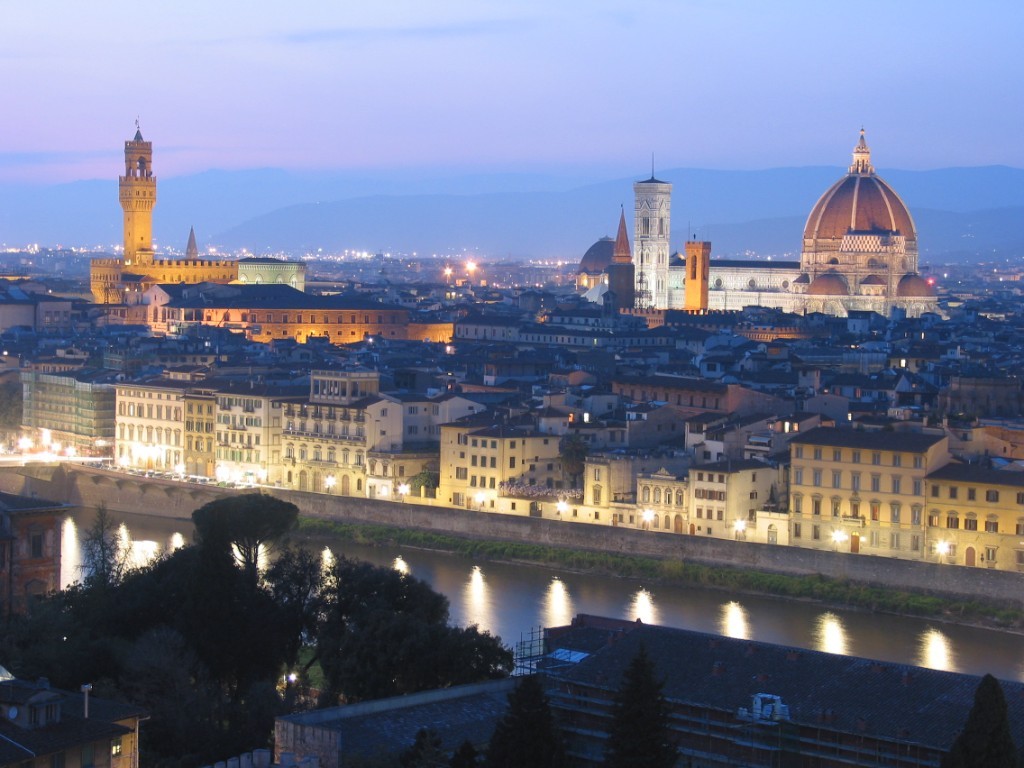
Start at Piazza del Duomo, home to Florence’s most recognisable landmark: the Cathedral of Santa Maria del Fiore.

Designed by Filippo Brunelleschi, the dome was a remarkable engineering achievement. Spend time admiring the cathedral from different angles before exploring the Baptistery and Giotto’s Bell Tower. If you want to climb the dome or bell tower, reserve tickets well in advance (dome and bell tower access usually needs a timed reservation) — the stairs are demanding, but the panoramic views are memorable. Modest clothing may be required for religious buildings.
Late Morning and Lunch
Wander towards Piazza della Repubblica and through the surrounding lanes. For lunch, choose a traditional trattoria or a casual food spot. Look for ribollita, pappa al pomodoro, a Tuscan panino, or — if you eat meat — a shared bistecca alla fiorentina (check portion size first).
Afternoon: Walk to Ponte Vecchio
Make your way to the Ponte Vecchio, Florence’s famous medieval bridge spanning the Arno.
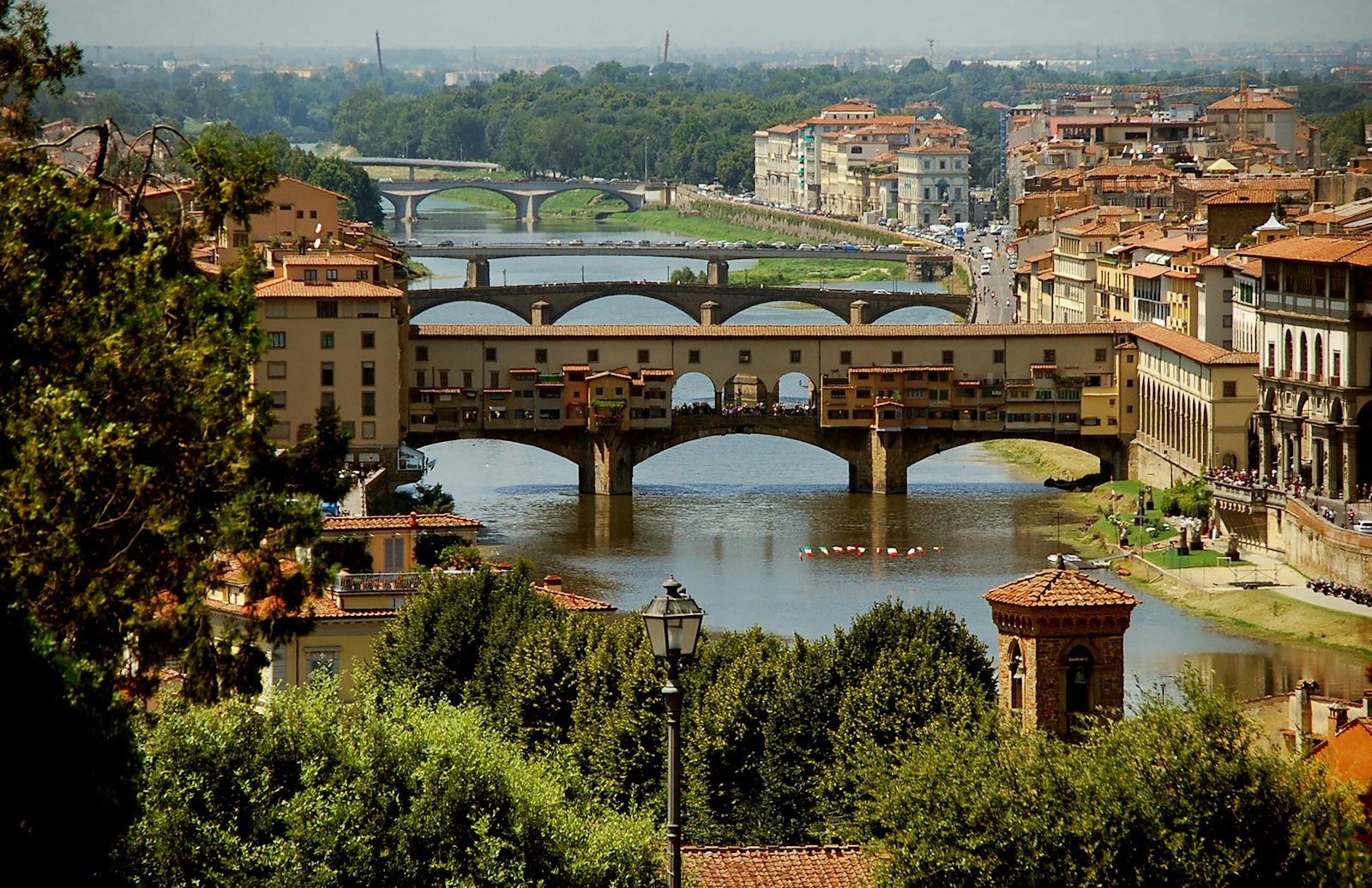
Walk across slowly and look back towards the riverbanks. Once across, explore nearby Oltrarno streets if you have the energy — artisan workshops and a slightly different atmosphere from the busiest part of the centre. Later, pause for coffee and a pastry; cantucci with Vin Santo is a classic Tuscan pairing.
Evening
The cathedral, piazzas and bridges look particularly beautiful in changing light. For dinner, choose a trattoria serving regional dishes and ask for a local wine recommendation. Keep the evening relaxed — tomorrow brings some of Florence’s most important artistic treasures.
Food note: Try ribollita, pappa al pomodoro, a Tuscan panino or cantucci with Vin Santo.
Do not miss: The Duomo and Brunelleschi’s dome, Piazza della Repubblica, the historic centre streets and Ponte Vecchio.
Logistics: Expect cobbled streets and crowds. Check official cathedral-complex ticket options and reserve dome or bell tower access ahead of time.
Day 2: Renaissance Masterpieces and Tuscan Food
Today is dedicated to Florence’s artistic heart. The Uffizi Gallery is one of the best places to understand how Renaissance artists transformed European painting.
Morning: Explore the Uffizi Gallery
Start early. The collection includes works associated with Botticelli, Leonardo da Vinci, Michelangelo and other major figures — Botticelli’s The Birth of Venus and Primavera are among the best known. Allow several hours and focus on rooms that interest you rather than racing through everything.
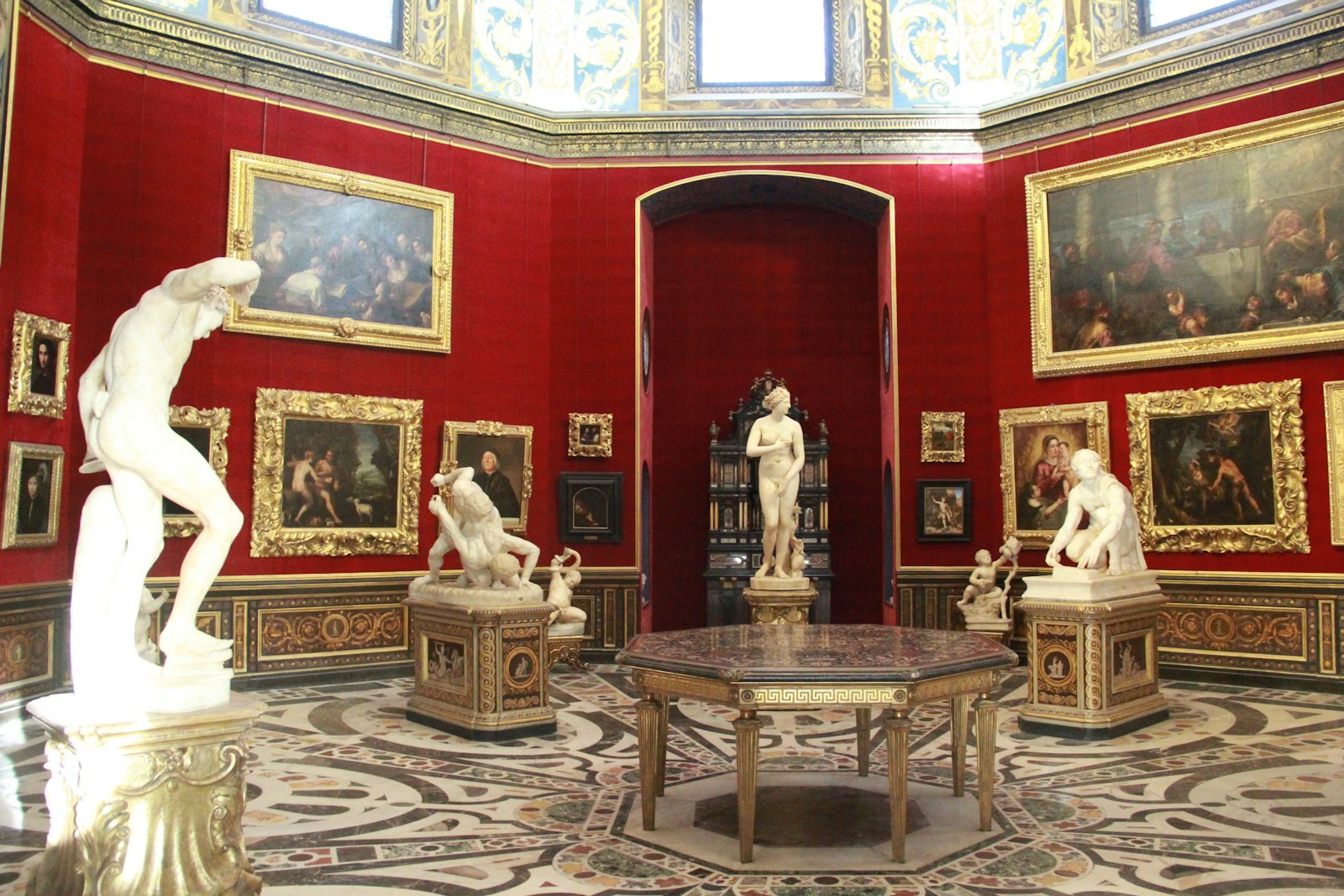
Reserve your ticket in advance and check timed-entry requirements. The gallery also helps explain Florence’s relationship with the Medici family, whose patronage shaped the city’s cultural legacy.
Late Morning: Piazza della Signoria
Step into Piazza della Signoria, where political history and artistic heritage meet outdoors. The Palazzo Vecchio dominates the square, while the Loggia dei Lanzi holds important sculptures.
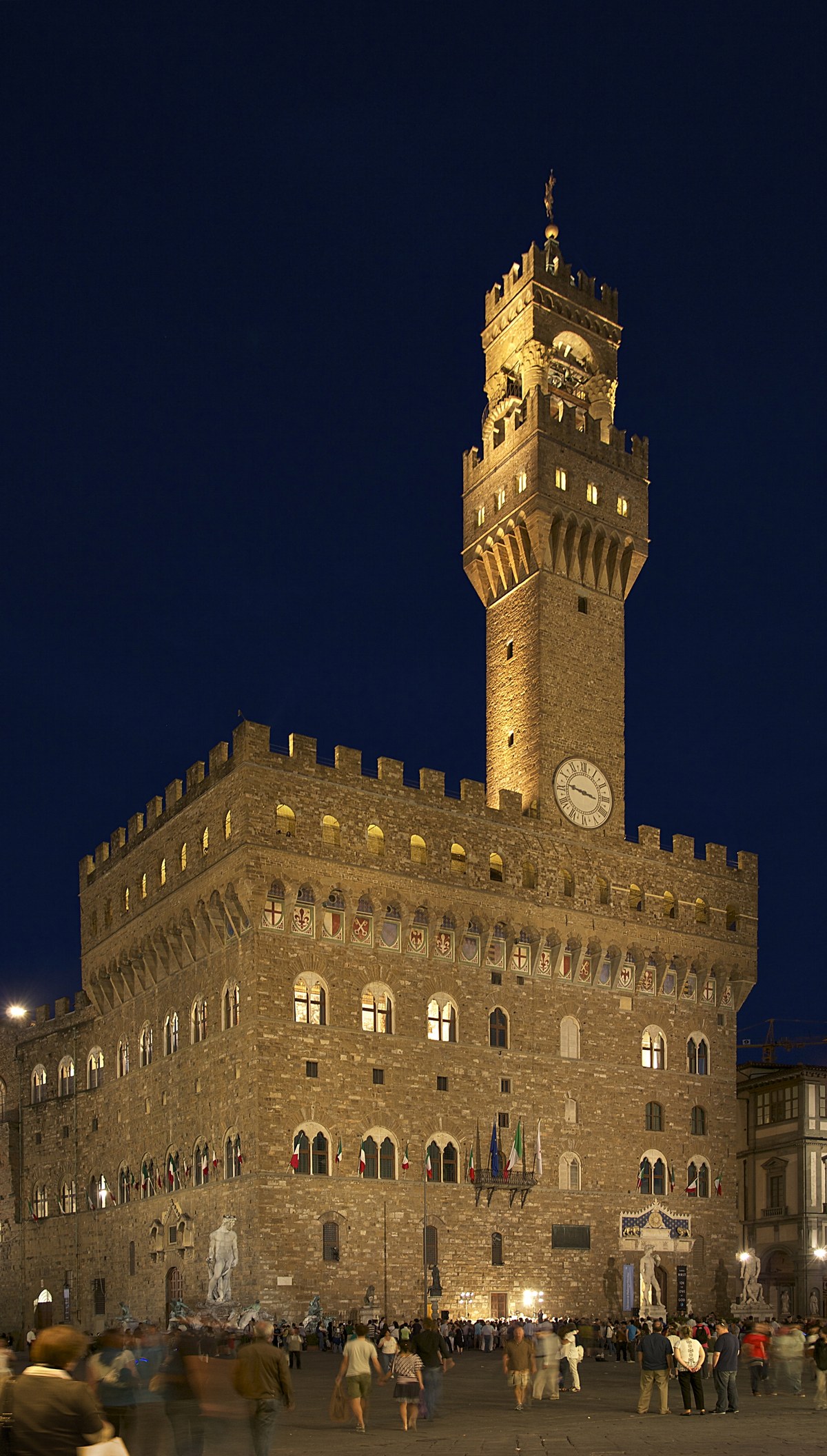
Piazza della Signoria brings Florence’s political history and Renaissance sculpture together in an extraordinary public square.
If political history interests you, consider visiting Palazzo Vecchio, subject to tours and opening hours.
Lunch, Afternoon and Evening
Choose a trattoria or casual stop — Florence is also famous for lampredotto, a traditional tripe sandwich, if you enjoy distinctive local specialities. Afterwards, explore streets around the square at a slower pace, then take an aperitivo with Tuscan wine by the glass. For dinner, book a restaurant focused on seasonal ingredients a little off the busiest tourist streets.
Food note: Try lampredotto, fresh pasta or an aperitivo with regional wine.
Do not miss: Botticelli at the Uffizi, Piazza della Signoria and the Loggia dei Lanzi.
Logistics: Book Uffizi tickets in advance and confirm the gallery is open on your chosen day (state museums in Italy are often closed on Mondays). Wear comfortable shoes and avoid stacking another major museum immediately afterwards.
Day 3: Michelangelo, Artisan Florence and a Food-Focused Afternoon
Morning: Michelangelo’s David at the Accademia
Begin at the Galleria dell’Accademia, home to Michelangelo’s David.
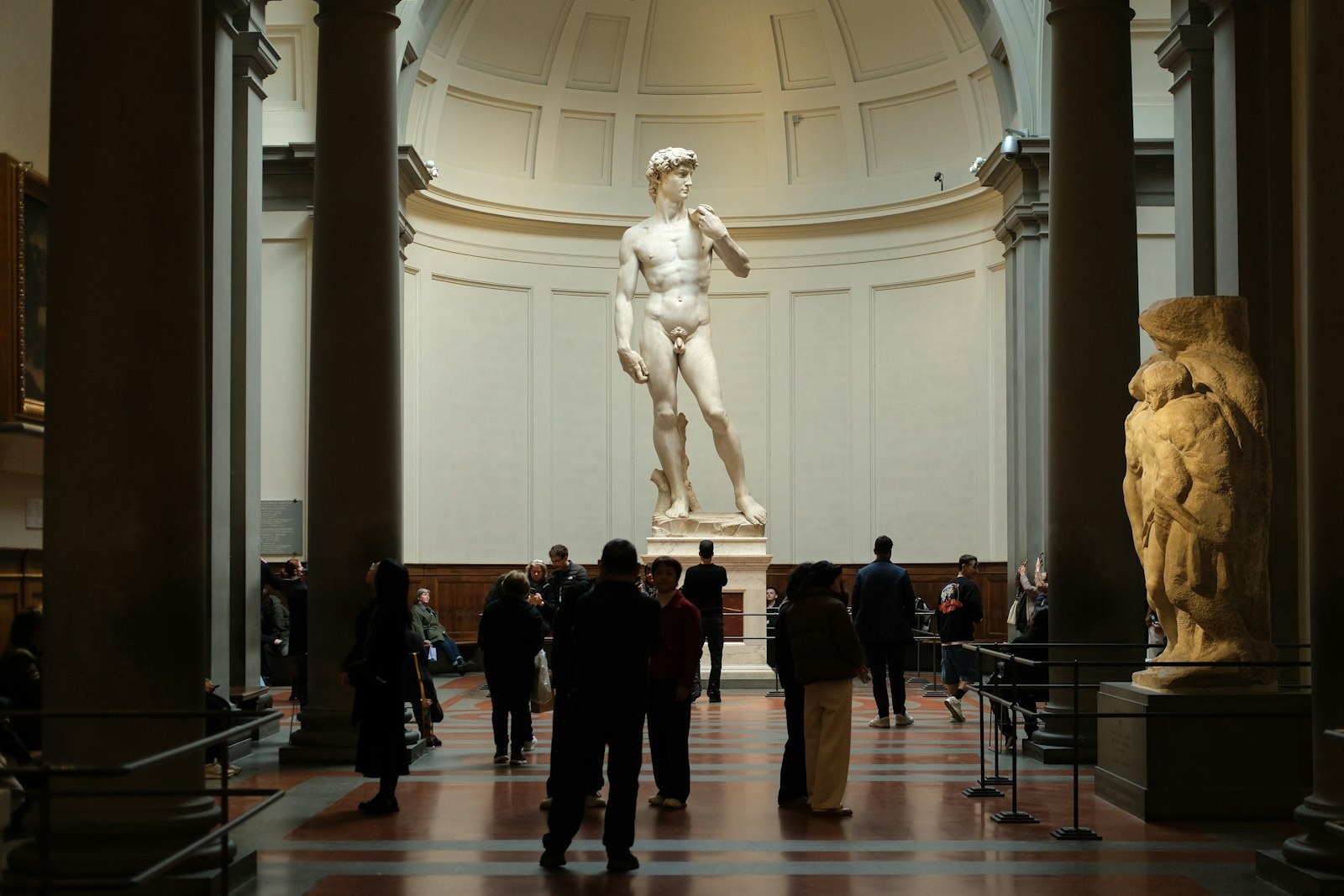
Seeing the statue in person is different from photographs — allow time for the details. Book an official timed-entry ticket; queues can be long. Arriving early helps before surrounding streets grow busy.
Late Morning and Lunch
Walk towards quieter streets and browse small shops, bakeries or workshops. Florence has strong traditions in leatherwork, jewellery, bookbinding and textiles — if buying handmade items, ask about materials and workmanship. Make lunch market- or trattoria-focused: Tuscan bread, cheeses, cured meats, seasonal vegetables and fresh pasta. Mercato Centrale is a convenient food hub if you want variety under one roof.
Afternoon: Cooking Class, Food Tour or Oltrarno
A hands-on cooking class or guided food walk can be a memorable addition. Check inclusions, group size and dietary options before booking. Alternatively, cross the Arno into Oltrarno around Santo Spirito for artisan workshops, small galleries and neighbourhood restaurants — a different, less hurried perspective on Florence.
Evening
Finish with dinner in Oltrarno or another neighbourhood that appeals. Order local wine if you wish and ask about the region or grape — a little curiosity is enough.
Food note: Explore Tuscan bread, cheeses, cured meats and fresh pasta; consider a cooking class or food tour.
Do not miss: Michelangelo’s David, artisan shops and the streets around Santo Spirito.
Logistics: Reserve Accademia tickets, check it is open on your chosen day (often closed on Mondays) and confirm meeting points for any class or tour.
Day 4: Chianti Wine Country or a Relaxed Day in Florence
Option A: A Day Trip to Chianti
If wine and countryside scenery appeal, spend the day in Chianti, between Florence and Siena — vineyards, olive groves, hilltop villages and rolling hills.
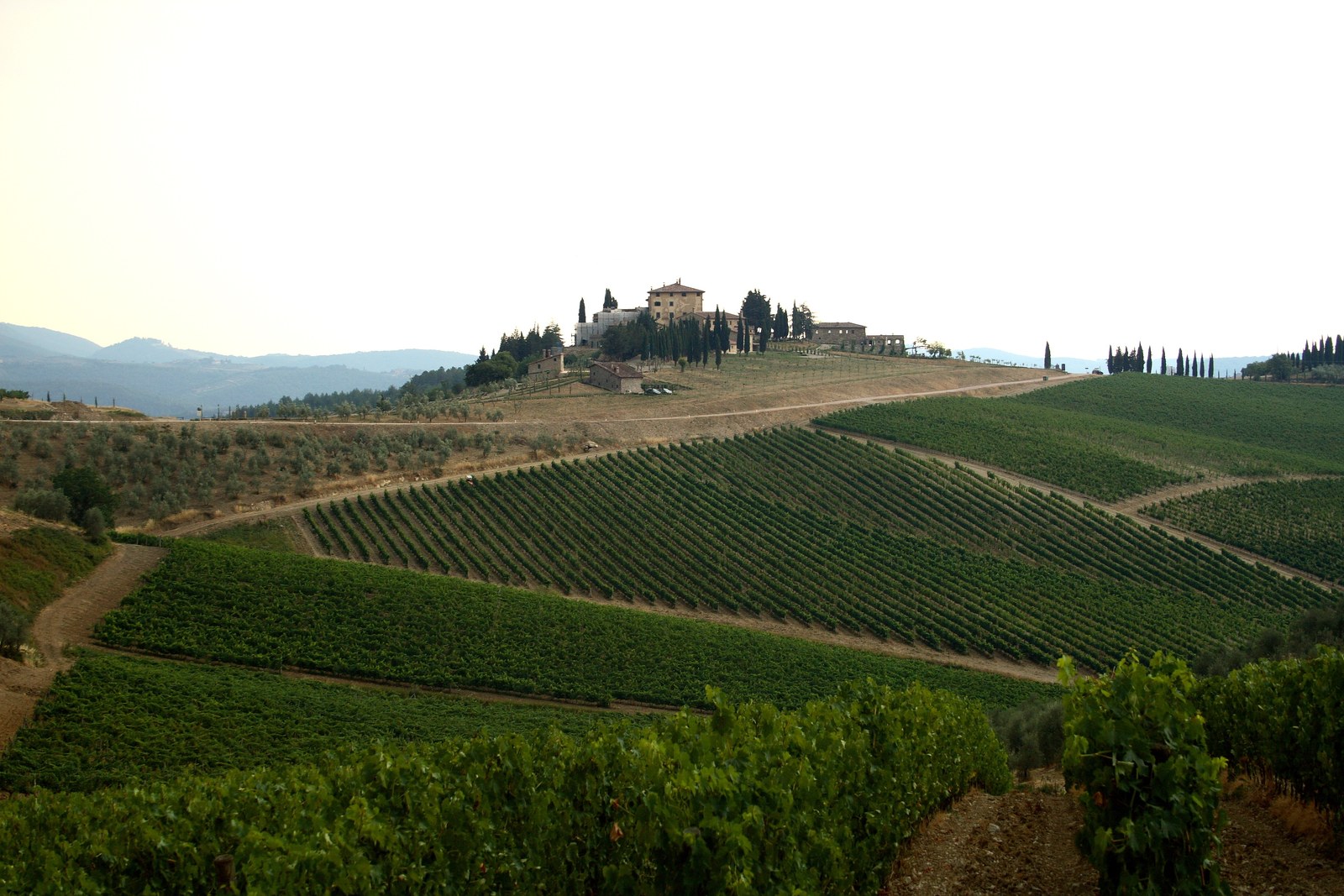
Chianti’s vineyards, olive groves and rolling hills offer a scenic escape from the streets of Florence.
A guided tour is often simplest for winery visits and tastings without driving. Chianti wines are closely associated with Sangiovese; the Chianti Classico Consortium is a useful starting point for understanding the region. Book tastings and transport in advance, pace yourself, and enjoy a countryside lunch of pasta, cheeses, cured meats and seasonal dishes. Chianti Classico towns such as Greve and Panzano are generally within about an hour’s drive of Florence, and most guided tours take half a day to a full day, so check the schedule before booking. Return to Florence in the late afternoon for a final walk or dinner.
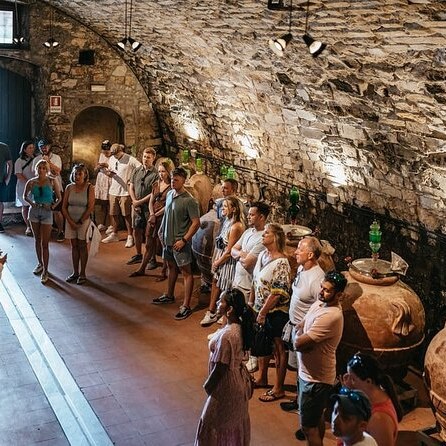
Tour on Honge
Small-Group Tuscan Wineries, Olive Oil & Gourmet Lunch
A Chianti day out from Florence with winery visits, olive oil tasting and a gourmet lunch or dinner — the easiest way to do Option A without renting a car or juggling tastings yourself.
Tour on Honge
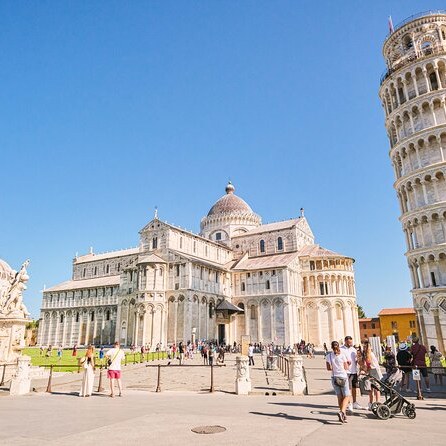
Half-Day Excursion to Pisa & the Leaning Tower
Prefer another day trip instead of Chianti? This half-day from Florence covers Pisa’s Campo dei Miracoli and the Leaning Tower — a compact alternative if you want one iconic Tuscan landmark without a full countryside day.
Option B: Stay in Florence
Use the day for Oltrarno, a garden, artisan shops or another museum. For a panoramic view, visit Piazzale Michelangelo — popular around sunset. Finish with a farewell Tuscan meal.
If you have extra time, good additions include the Bargello (Donatello and Renaissance sculpture), the Medici Chapels, the Basilica of Santa Croce, the Basilica of Santa Maria Novella, the Brancacci Chapel (Masaccio’s frescoes, where advance booking is usually needed) and the Pitti Palace with the Boboli Gardens. Check opening days and ticket arrangements on the official sites before building them into the plan.
Food note: In Chianti, sample regional wine and seasonal dishes; in Florence, revisit a favourite trattoria.
Do not miss: A vineyard tasting if you leave the city, or Piazzale Michelangelo if you stay.
Logistics: Book winery visits and tours ahead. If driving, note ZTL restrictions and parking in Florence. A guided tour is generally easiest for wine tasting.
Where to Stay in Florence
Florence is compact; neighbourhood choice shapes the trip.
- Historic centre: Best for first-time visitors — walkable to major landmarks, but busier and often pricier.
- Santa Maria Novella: Practical for the railway station and day trips beyond Florence.
- Oltrarno: Artisan culture, neighbourhood restaurants and a slightly more relaxed atmosphere.
- Near Santa Croce: Lively central base with cafés and historic streets; check evening noise if you prefer quiet.
Recommendation: Stay in the historic centre or just beyond it for a first visit; choose Oltrarno for craft and neighbourhood dining. Three nights cover the core itinerary; four nights make the finale more relaxed.
How to Get Around Florence
Walking is the best way to explore the Duomo, Uffizi, Piazza della Signoria, Ponte Vecchio and much of Oltrarno. Buses and trams help beyond the centre; taxis suit luggage or late evenings. A rental car is not needed for central Florence and can trigger ZTL fines — use a guided Chianti tour or carefully planned transport for countryside wine tasting instead. See also Visit Tuscany for regional connections.
Arriving: Florence Airport (Peretola) is close to the centre and linked by tram and taxi, while Pisa International Airport is an alternative with a rail connection to Florence. Many visitors arrive by train at Santa Maria Novella station, within walking distance of the historic centre. Check current services and tickets before you travel.
Best Time to Visit Florence
- Spring (April–June): Comfortable walking and outdoor dining; book museums and hotels early.
- Summer (July–August): Hot and crowded — walk mornings and evenings, book timed museum entry.
- Autumn (September–October): Excellent for art, food and wine; harvest timing varies by vineyard.
- Winter (November–March): Quieter outside holidays; good for museums and long lunches.
For a balanced city break, April–June and September–October are especially appealing.
What to Eat and Drink in Florence
- Bistecca alla fiorentina: Large traditional steak, often for sharing.
- Ribollita: Hearty bread, vegetable and bean soup.
- Pappa al pomodoro: Bread and tomato classic.
- Lampredotto: Traditional Florentine street-food sandwich.
- Pappardelle al ragù: Wide pasta with rich meat sauce.
- Crostini toscani: Toasted bread antipasti.
- Cantucci & Vin Santo: Almond biscuits with dessert wine.
- Gelato, olive oil and Chianti: Everyday pleasures of a Florence trip.
Practical Tips for Visiting Florence
- Reserve the Uffizi and Accademia early via official sites.
- Check museum weekly closures before assigning days — major state museums such as the Uffizi and the Accademia are often closed on Mondays, so confirm opening days for your dates.
- Book Duomo complex access separately (cathedral, dome, bell tower can differ).
- Reserve popular restaurants and cooking classes ahead.
- Wear comfortable walking shoes for cobbled streets.
- Be careful with driving in ZTL zones.
- Keep belongings secure in crowded areas.
- Many restaurants close for part of August (around Ferragosto, 15 August), so check opening dates and book ahead.
- Florence charges a city tourist tax (tassa di soggiorno), usually paid at your accommodation; check the current rate.
- Leave space for spontaneous coffee stops and side streets.
Important Links
- Feel Florence — Official Tourism
- Florence Cathedral and Dome
- Uffizi Gallery
- Accademia Gallery
- Palazzo Vecchio Museums
- Mercato Centrale Firenze
- Chianti Classico Consortium
- Visit Tuscany
Estimated Budget for 4 Days in Florence
Broad planning estimates per person for four days, excluding international flights:
| Travel style | Estimated daily budget | Four-day estimate |
|---|---|---|
| Budget-conscious | €70–€120 | €280–€480 |
| Mid-range | €150–€260 | €600–€1,040 |
| Comfortable or premium | €300+ | €1,200+ |
These figures are indicative. Accommodation is often the biggest variable; private tours, premium dining and wine experiences add cost. Mix sit-down meals with casual lunches and enjoy Florence on foot.
Frequently Asked Questions
Is four days enough for Florence?
Yes. Four days is an excellent introduction to Florence. You can explore the historic centre, visit the Uffizi and Accademia, enjoy Tuscan food and artisan neighbourhoods, and take a day trip to Chianti if you plan ahead.
Should I book the Uffizi and Accademia in advance?
Yes. Both galleries are extremely popular, and advance booking is strongly recommended. Check official ticket availability and opening arrangements for your travel dates.
Is Florence walkable?
Very much so. Most of the main attractions in the historic centre are within walking distance of one another. Public transport is useful for longer journeys, but walking is usually the best way to experience central Florence.
Is a Chianti day trip worth it?
If you enjoy wine, food and countryside scenery, it can be a wonderful addition. A guided tour is often the easiest option if you want to visit wineries and taste wine without driving. If you prefer art and architecture, spending the fourth day in Florence is equally rewarding.
Do I need a car in Florence?
No. A car is unnecessary for the city itself and can create parking and restricted-zone complications. Consider a rental only if you want to explore rural Tuscany independently.
What should I book before arriving?
Prioritise accommodation, Uffizi and Accademia tickets, any Duomo dome or bell tower access you want, and popular cooking classes or winery visits. Reserve sought-after restaurants if you have a particular venue in mind.
Is Florence expensive?
It can be, particularly for central accommodation, major museum tickets and popular restaurants. Walking through the historic centre, visiting piazzas, exploring neighbourhoods and enjoying casual food can make a trip more affordable.
What is the best area to stay in Florence?
The historic centre is best for first-time visitors who want to walk to the main sights. Oltrarno is appealing for artisan culture and neighbourhood dining, while Santa Maria Novella is practical for rail connections and onward travel.
Conclusion
Florence is a city where art, architecture and everyday life are beautifully intertwined. Over four days you can experience the essential sights without racing: begin with the Duomo and Ponte Vecchio, give the Uffizi and Accademia the time they deserve, discover Oltrarno’s artisan streets and finish among Chianti’s vineyards — or with another relaxed day in Florence itself.
Four days offers a wonderful introduction to Renaissance Italy, Tuscan cuisine and a city that continues to inspire visitors centuries after its artistic golden age.
Ready for the Duomo, the Uffizi and Chianti?
Plan your Florence trip with Honge
Open this itinerary in Honge and make it yours: swap museums, shift tasting days and keep room for long lunches.
Related itineraries
Written by
This blog was contributed by B. Sai Nikita, a travel enthusiast and writer. B. Sai Nikita can be reached at bsainikita10@gmail.com.
About Honge
Honge is an AI travel planning platform focused on practical, experience-led itineraries with realistic pacing and logistics. All blog content is edited and published by Honge. Our Florence research draws on updated practical logistics as of November 2026. © Honge. All rights reserved.
Travel disclaimer
This itinerary is intended as general travel inspiration and planning guidance only — not as personalised travel, safety or medical advice. Opening hours, museum closing days, ticket types, tour availability and transport arrangements can change. Confirm details with official sources before you travel. Take out comprehensive travel insurance. Suggested stay areas in this article are samples only and depend on availability; in the Honge app they may appear as booking options when offered by our vendors at the time of your search. Honge is not responsible for decisions made based on this guide or for changes to places, prices, access, services or experiences after the date of publication.