Start with this itinerary
Open this 4-day Dublin and Wicklow itinerary in Honge as your starting point, then shape distillery slots, music nights and your Wicklow day around your dates.
How Many Days in Dublin and Wicklow Is Enough?
Four days is enough to cover Dublin’s historic centre, literary landmarks, an Irish whiskey experience and traditional music, plus one full day in the Wicklow Mountains and Glendalough. Stay in Dublin throughout and treat Wicklow as a guided or self-drive day trip.
Introduction
Dublin is a city that tells its stories everywhere you look. They live in the pages of literary classics, the walls of centuries-old pubs, the melodies of traditional musicians and the conversations that stretch long after a pint has been poured. Add historic distilleries, Georgian streets, hearty Irish food and the dramatic landscapes of the Wicklow Mountains, and four days in Ireland become a wonderful blend of city culture and countryside escape.
Ireland’s capital has a character all its own. Dublin feels lively and welcoming, with grand historic buildings sitting alongside independent cafés, bookshops, music venues and neighbourhood pubs. It is a city where you can spend the morning exploring literary history, the afternoon learning about Irish whiskey and the evening listening to traditional music in a cosy pub.
Just beyond the city, Wicklow offers a striking change of pace. Known for its green valleys, mountain scenery, quiet lakes and ancient monastic heritage, the region provides a glimpse of Ireland’s quieter side. The contrast between Dublin’s bustling streets and Wicklow’s open landscapes is one of the highlights of this short trip.
Four days gives you enough time to experience Dublin’s historic centre, explore its literary connections, enjoy a whiskey or distillery experience, discover traditional Irish music and spend a full day in the Wicklow Mountains and Glendalough. The final day leaves room for museums, local food and a more relaxed exploration of the capital.
Dublin & Wicklow at a Glance
- Duration: 4 days, 3–4 nights
- Destination: Dublin and County Wicklow, Ireland
- Best for: Irish whiskey, literature, traditional music, pubs, history, food and countryside scenery
- Suggested route: Dublin historic centre → Distillery and neighbourhood experiences → Wicklow Mountains and Glendalough → Dublin museums, markets and food
- Getting around: Walking and public transport in Dublin; guided tour, organised excursion or rental car for Wicklow
- Best time to visit: May–June and September for a balance of daylight, scenery and sightseeing conditions
- Travel style: Cultural, food-focused and relaxed, with one countryside day trip
- Car rental: Unnecessary in Dublin; consider it only if you prefer to explore Wicklow independently
Journey overview
| Day | Focus | Highlights |
|---|---|---|
| Day 1 | Historic Dublin | Trinity College, literary landmarks, Dublin Castle, traditional pubs |
| Day 2 | Whiskey & music | Distillery experience, neighbourhoods, traditional Irish music |
| Day 3 | Wicklow day trip | Wicklow Mountains, scenic stops, Glendalough |
| Day 4 | Relaxed finale | Museums, shops or markets, farewell Irish meal |
Dublin historic centre → Distillery & neighbourhoods → Wicklow Mountains & Glendalough → Museums, food & farewell
Day 1: Historic Dublin, Literary Legends and Traditional Pubs
Begin your Irish adventure in Dublin’s historic centre, where medieval landmarks, Georgian architecture, literary history and lively streets combine to create the city’s distinctive atmosphere. Much of central Dublin is easy to explore on foot, making it an excellent place to start without worrying about transport.
Today is about getting to know the city through its history and stories. Explore the streets around Trinity College, discover Dublin’s literary connections and finish with a traditional pub experience that captures the warmth and character of Irish social life.
Morning: Trinity College and the Historic Centre
Start around Trinity College Dublin, one of Ireland’s most famous educational institutions. Founded in the sixteenth century, the university has long been associated with scholarship, literature and intellectual life. The campus is worth exploring for its historic buildings, courtyards and atmosphere. If you are interested in Irish literary heritage, consider booking the Book of Kells Experience, which introduces visitors to one of Ireland’s most celebrated illuminated manuscripts and the university’s historic library collection.
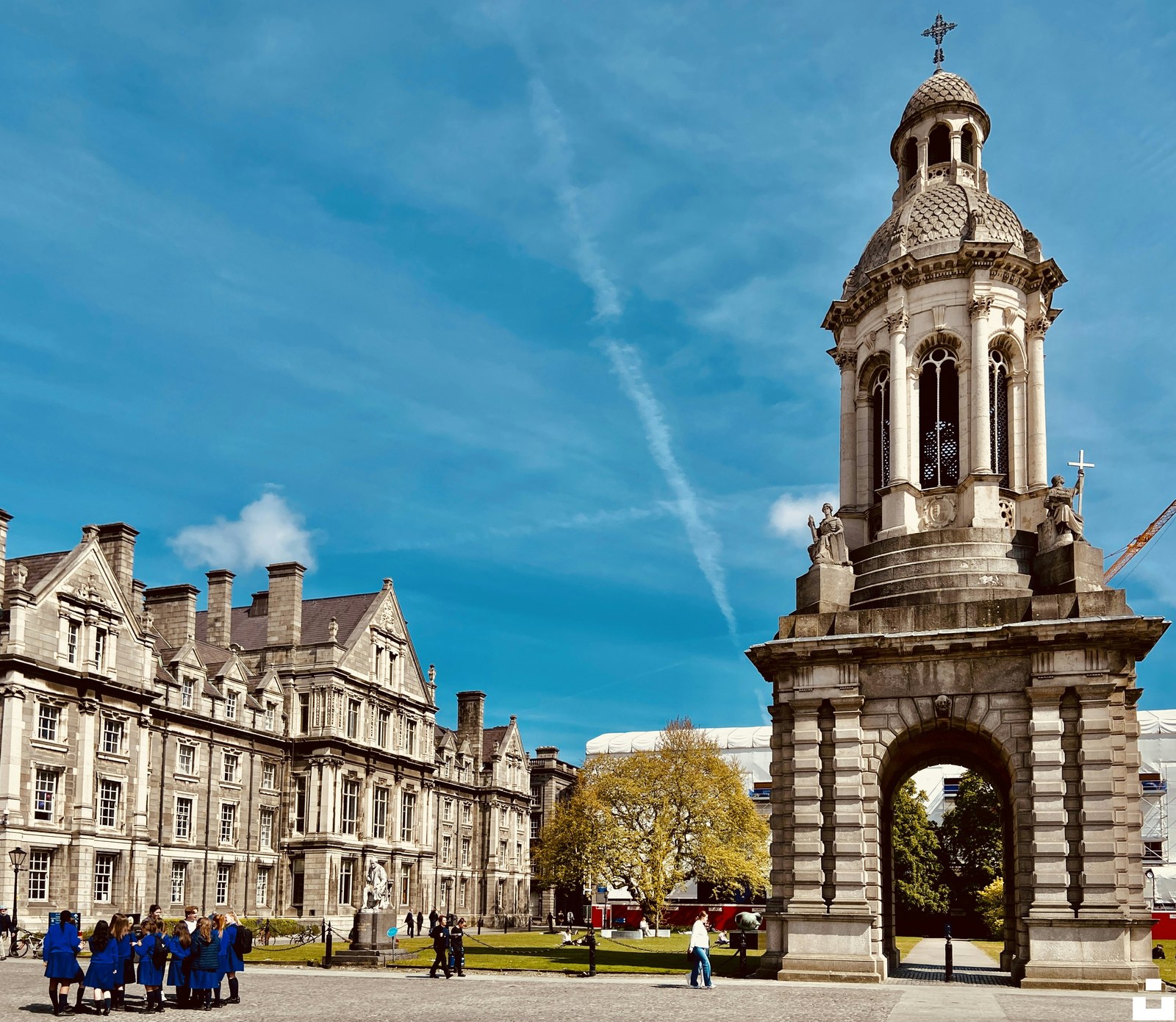
Check the official visitor information before arriving, as entry arrangements, ticket options and access to library spaces can change. From Trinity, wander through the surrounding streets towards College Green and Dame Street. This area provides an easy introduction to Dublin’s architectural character, with historic façades, shops and cafés set among the flow of everyday city life.
Late Morning: Dublin’s Literary Legacy
Dublin’s literary reputation is one of its greatest cultural treasures. Writers associated with the city include James Joyce, Oscar Wilde, Samuel Beckett and W. B. Yeats, among many others. As you explore, look for literary landmarks, historic bookshops and places associated with the city’s writers. You could visit a literary museum or simply follow a walking route through the central streets, taking in the buildings and neighbourhoods that inspired generations of Irish storytellers.
If you are particularly interested in literature, consider arranging a guided literary walk. A knowledgeable guide can connect locations with the writers, characters and historical events that shaped Dublin’s literary tradition.
You do not need to be an expert in Irish literature to enjoy this side of the city. Even a little familiarity with the stories makes the streets feel more layered and meaningful.
Named stops to consider include the Museum of Literature Ireland on St Stephen’s Green, the Oscar Wilde statue in Merrion Square and Marsh’s Library, Ireland’s first public library. Check opening days and ticket arrangements before building them into the plan.
Lunch: A Taste of Modern Irish Food
For lunch, choose a café, casual restaurant or traditional pub serving Irish favourites. Look for dishes such as seafood chowder, Irish stew, brown soda bread or a sandwich made with local ingredients. Dublin’s food scene has expanded considerably, and traditional cooking now sits alongside international restaurants, bakeries and contemporary Irish menus.
If you want a relaxed first meal, choose somewhere that allows you to sit comfortably and plan the rest of the day rather than rushing between attractions.
Afternoon: Dublin Castle and the Historic Streets
Spend the afternoon exploring the area around Dublin Castle, a significant site in the city’s political and administrative history. The castle complex reflects several periods of Irish history, and guided visits can help explain its changing role over the centuries. Depending on your interests, you might also explore nearby historic churches, courtyards or small museums.
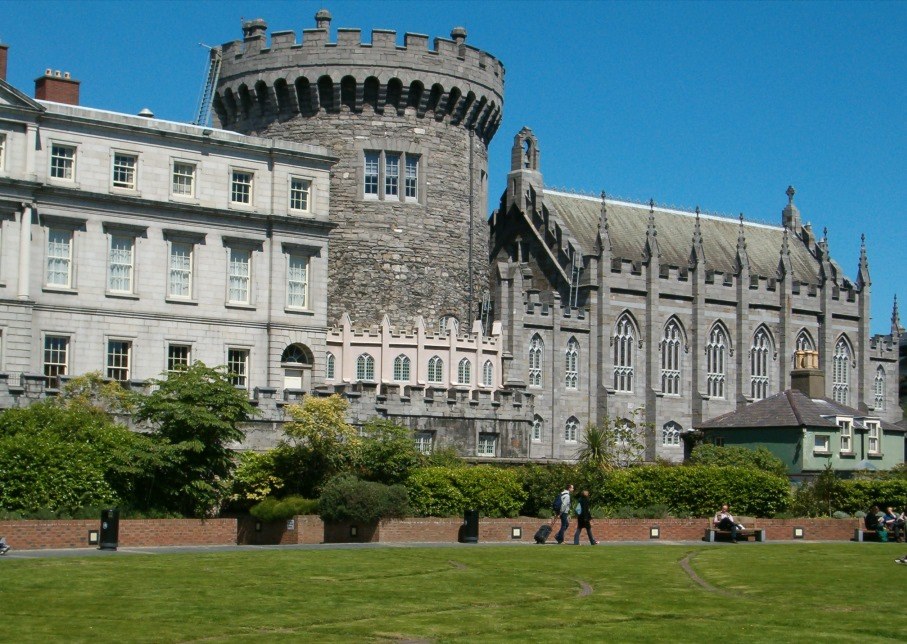
Dublin Castle reflects centuries of Irish political history and remains an important landmark in the city centre.
Continue towards the surrounding streets and squares, noticing the contrast between older buildings and the city’s more modern shops and cafés. Dublin is a city that rewards looking beyond the main landmarks. A short detour can reveal a quiet courtyard, a historic doorway or a small bookshop that becomes an unexpected highlight.
Late Afternoon: Coffee and a Little Wandering
Take a break in a café before the evening begins. Dublin has a lively independent coffee scene, and a relaxed stop is a good way to recharge after walking. If you enjoy browsing, explore bookshops or independent stores in the city centre. You may find Irish poetry collections, literary editions, locally made gifts or food products to take home.
Evening: Traditional Pubs and Irish Storytelling
Finish your first day in a traditional Dublin pub.
Pubs have an important place in Irish social culture. They are not simply places to drink; they are gathering spaces where conversation, music, local news and storytelling often come together. Some pubs have long histories, while others are neighbourhood favourites known for their friendly atmosphere.
Choose a pub that suits the experience you want. Some are best for a quiet pint and conversation, while others are lively gathering places with music and crowds.
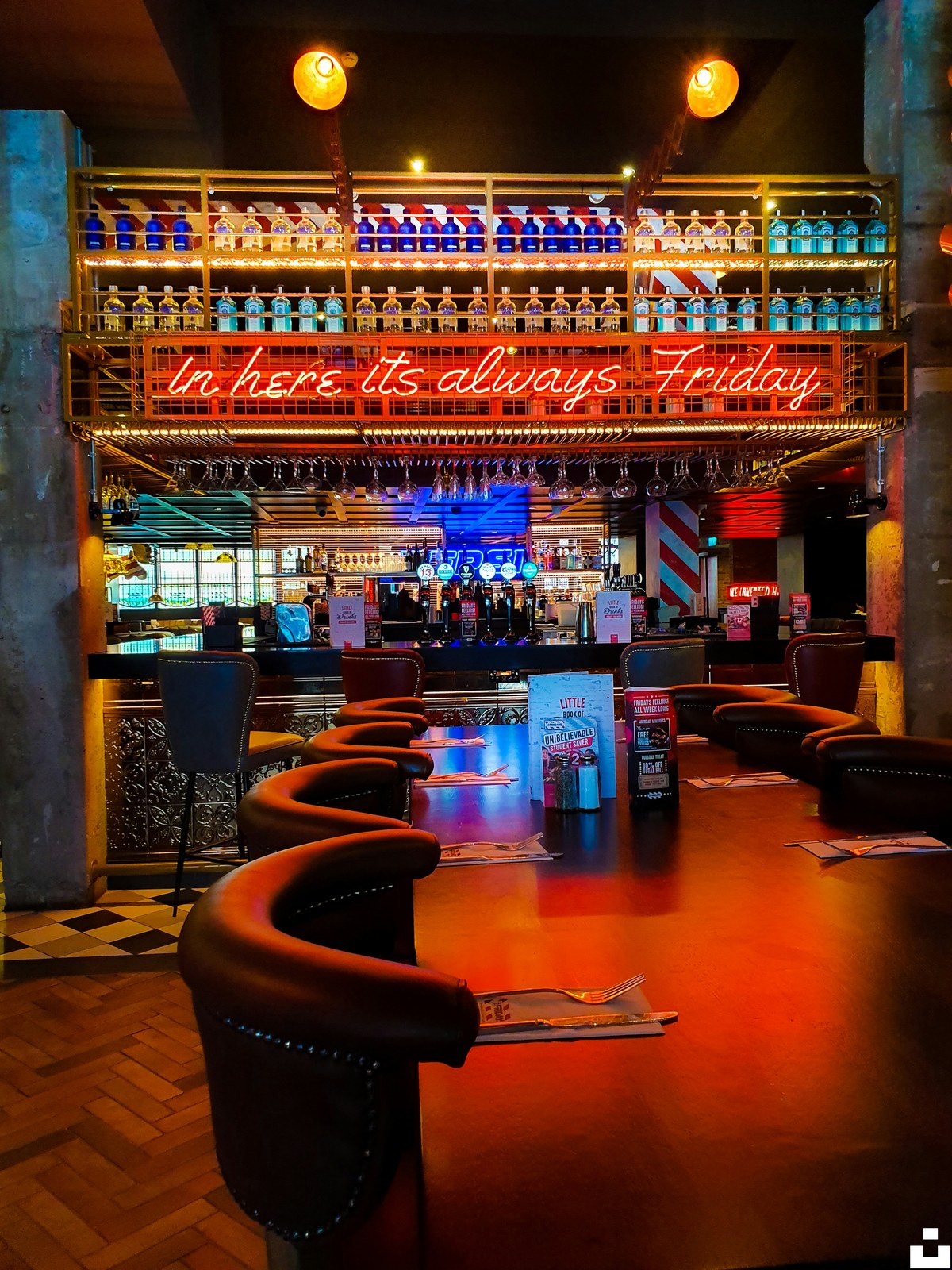
If you are interested in traditional Irish music, check whether a session is scheduled. Traditional sessions can be informal and may not follow a fixed concert timetable, so it is worth checking current information rather than assuming music will be playing every evening.
Enjoy the atmosphere, order a drink if you wish, and remember that a good pub experience is as much about the people and stories as it is about the surroundings.
Food note: Try Irish stew, seafood chowder, brown soda bread or a locally made dessert. Pair dinner with a pint of stout or another Irish drink if you enjoy alcohol.
Do not miss: Trinity College, the Book of Kells Experience if it interests you, Dublin’s literary landmarks, Dublin Castle and an evening in a traditional pub.
Logistics: Central Dublin is highly walkable, but wear comfortable shoes for long streets and cobbled sections. Reserve popular university experiences ahead of time, and check opening hours for museums and historic buildings. If you plan to visit several paid attractions, compare current ticket options before purchasing a pass.
Tour on Honge
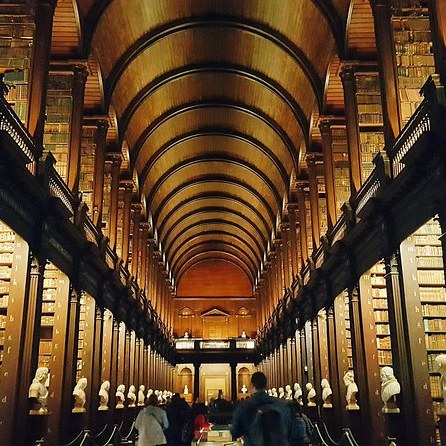
Book of Kells Early Access & Dublin Castle Tour
Timed Book of Kells entry at Trinity College plus a guided exterior walk of Dublin Castle and Molly Malone’s statue — a natural Day 1 if you want the library and castle covered without piecing tickets together yourself.
Day 2: Irish Whiskey, Dublin Neighbourhoods and Traditional Music
Today focuses on two important parts of Irish culture: whiskey and music. Dublin has a long association with whiskey production, and visiting a distillery offers an opportunity to understand the craft, history and traditions behind the drink.
The rest of the day is deliberately flexible. Explore a different part of the city, browse independent shops or enjoy a long lunch before heading out for traditional Irish music in the evening.
Morning: Discover Irish Whiskey
Begin with a whiskey or distillery experience. Dublin has several visitor attractions dedicated to Irish whiskey, and the best choice depends on whether you are more interested in production, history, tasting or the atmosphere of a working distillery. Jameson Distillery Bow St. is one well-known option in the Smithfield area. Other options include Teeling Distillery, Roe & Co and the Irish Whiskey Museum, and the Guinness Storehouse is the best-known stop if you would rather learn about stout. Check current tour formats and book a timed slot.
A guided visit typically explains how whiskey is made, how ingredients and maturation influence flavour, and why Irish whiskey has such a distinctive place in the country’s history. Depending on the experience you choose, you may learn about grain preparation, distillation, barrel ageing and blending. Tastings can introduce you to different styles and flavour profiles.
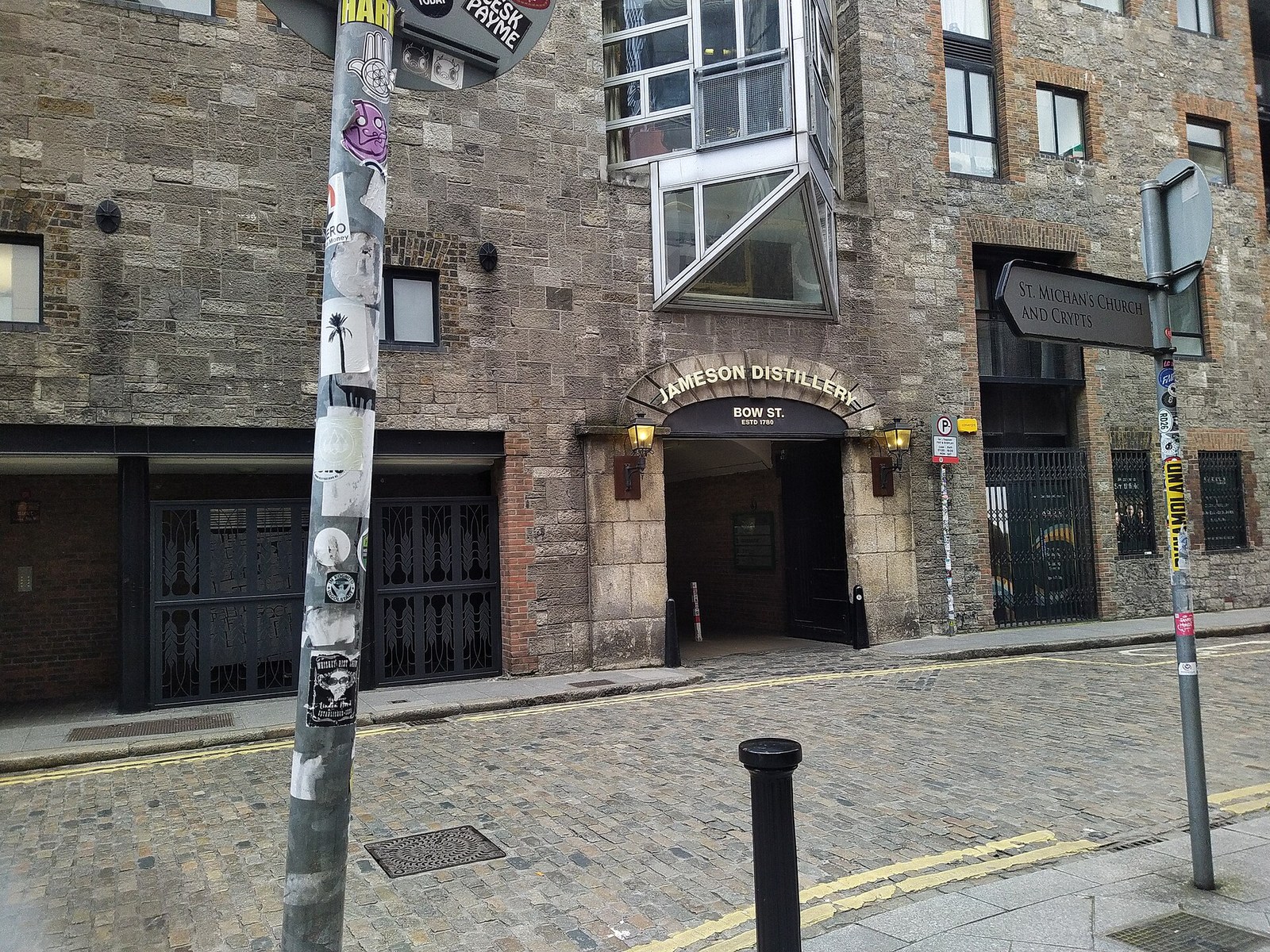
Discover the history and craftsmanship of Irish whiskey with a guided distillery experience in Dublin.
Book directly through the official distillery website where possible. Check the duration, age restrictions, tasting inclusions and whether the experience requires advance reservations.
If you do not drink alcohol, some visitor experiences may still be worthwhile for their historical and production information. Check the available tour formats before booking.
Late Morning: Explore a Different Side of Dublin
After the distillery, spend some time exploring the surrounding neighbourhood. If you chose Jameson Bow St., Smithfield, Stoneybatter and the Liffey quays are close by.
Depending on your chosen location, you might browse independent shops, walk along the river, explore historic streets or stop at a café. Dublin’s character changes from one area to another, and a little unplanned wandering is often more enjoyable than trying to fit in another major attraction.
If you prefer a more structured visit, choose a museum or cultural attraction that complements the whiskey experience without making the day too crowded.
Lunch: Traditional Flavours and Contemporary Irish Cooking
For lunch, look for a restaurant serving Irish ingredients in a traditional or modern style.
You might try a toasted sandwich on brown bread, a bowl of soup, a seafood dish or a seasonal menu built around local produce. If you enjoy sampling local food, ask about regional ingredients and dishes that are especially popular at the time of year.
Allow enough time for lunch. The afternoon is flexible, and there is no need to rush through a meal just to reach the next stop.
Afternoon: Independent Shops, Galleries and Riverside Walks
Use the afternoon to explore a neighbourhood you have not yet seen.
You could browse bookshops and independent retailers, visit a small gallery or take a walk along the River Liffey. If you prefer green space, choose a city park for a quieter break from the busier streets.
This is also a good time to return to a literary landmark that caught your attention on Day 1 or visit a museum you decided to leave for later.
Keep your plans flexible so you can adjust according to the weather and your energy level.
Evening: Traditional Irish Music
Tonight, make time for live Irish music.
Dublin has venues where traditional music is performed in pub settings, as well as concert-style experiences and cultural events. The atmosphere varies: some performances are informal sessions with musicians playing together, while others are organised shows designed for visitors. Festivals such as TradFest Dublin are worth checking if your dates overlap (it is usually held in late January, so confirm the dates).
If you want an authentic, low-key evening, look for a pub known for traditional music and check current listings. The Cobblestone in Smithfield is well known for traditional sessions, and The Brazen Head, O’Donoghue’s and Gogarty’s are other names often recommended, though sessions vary by night. Arrive early if seating is important, particularly on weekends.
Listen for the interplay of instruments such as the fiddle, tin whistle, flute, bodhrán and uilleann pipes. Traditional Irish music has a strong storytelling quality, and even without knowing the tunes, it is easy to appreciate the energy and emotion of a good performance.
For dinner, choose a pub meal or a nearby restaurant before settling in for the evening. If you are visiting a venue with a ticketed show, confirm the start time and whether food is included.
Food note: Sample a traditional pub meal, Irish seafood or a modern Irish menu. If you choose a whiskey tasting, enjoy it responsibly and plan your return journey in advance.
Do not miss: A guided Irish whiskey experience, a little neighbourhood exploration and a live traditional music session or performance.
Logistics: Book distillery experiences in advance, especially for popular time slots and weekends. Do not plan to drive after a whiskey tasting. Check current music listings, as informal sessions can vary by day and venue.
Tour on Honge
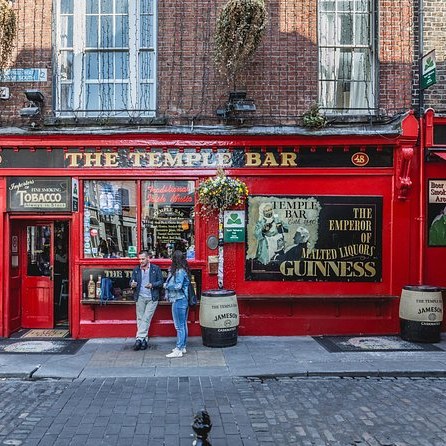
Dublin Historical Food Tour with Tastings & Drinks
A small-group food walk through the historic centre with multiple tastings and drinks — an easy Day 2 lunch-and-afternoon option if you want local flavours guided rather than choosing restaurants solo.
Day 3: Wicklow Mountains and Glendalough
Today brings a dramatic change of scenery. Leave Dublin behind and head into County Wicklow, often associated with green valleys, mountain landscapes, forests, lakes and historic sites. Known as the Garden of Ireland, Wicklow offers a different perspective on the country. The city streets give way to open hills, winding roads and quiet landscapes, while Glendalough combines natural beauty with an important chapter of Ireland’s monastic history.
A day trip can be one of the highlights of your visit, but the countryside is best enjoyed without trying to see too much in a single day.
Morning: Travel into the Wicklow Mountains
Set out from Dublin in the morning, allowing enough time to reach the countryside and enjoy the journey.
Glendalough is roughly 50–60 km south of Dublin, usually a drive of about 1 to 1.5 hours each way depending on traffic, and full-day guided tours typically run around 8 to 9 hours. A public bus service (St Kevin’s Bus) has long been listed for Glendalough, but check current timetables and the last return before relying on it.
You can visit Wicklow with an organised guided tour, a private driver or a rental car. For a short trip, a guided excursion is often the simplest choice because it removes the need to navigate unfamiliar rural roads and coordinate several stops. See also Visit Wicklow and Wicklow Mountains National Park for planning context.
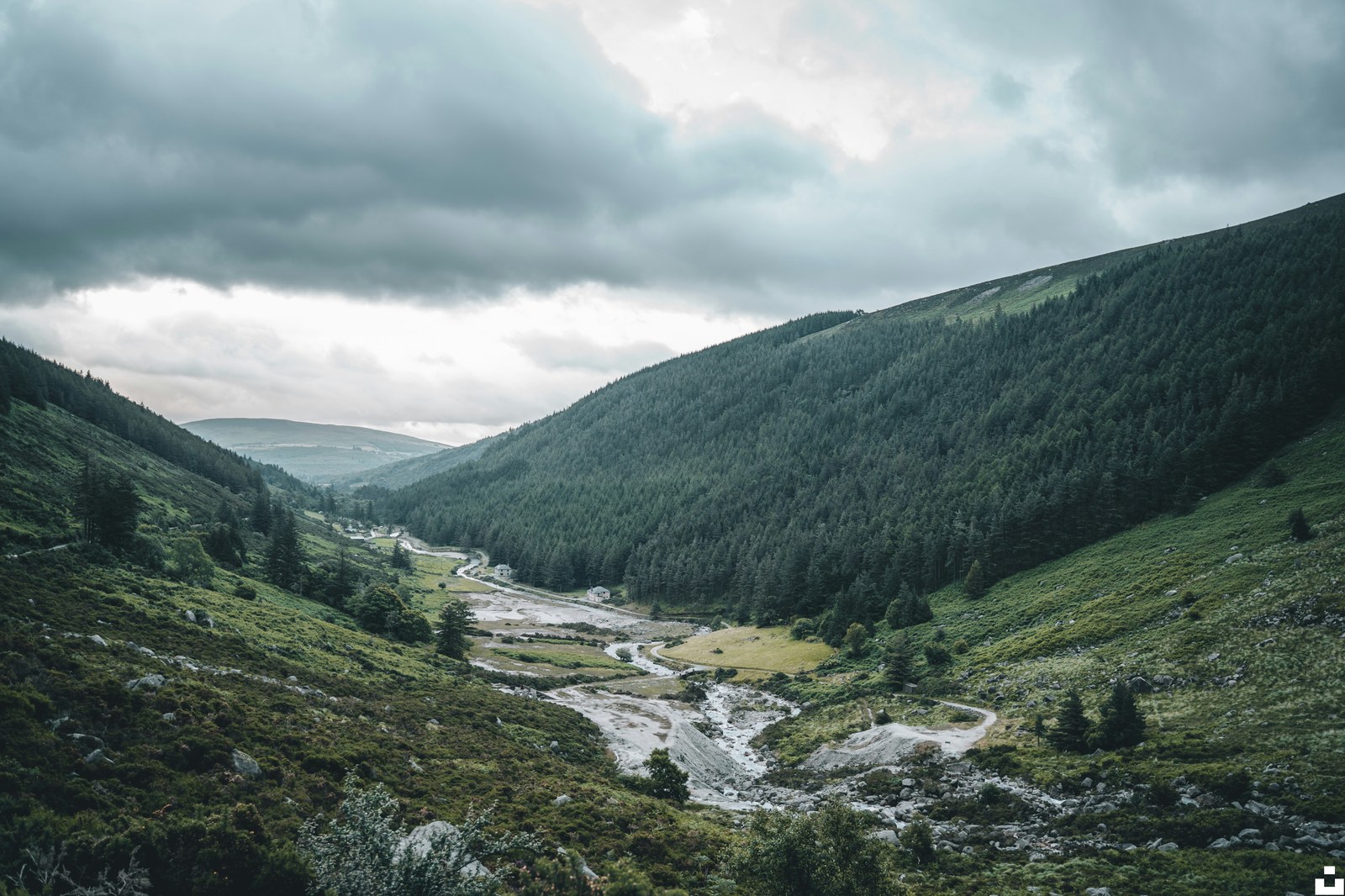
If you are driving independently, check the route, weather and road conditions before leaving. Mountain roads can be narrow or winding, and travel times may be longer than the distance suggests.
As you travel into Wicklow, the scenery gradually opens up. Depending on the route, you may pass mountain viewpoints, lakes, wooded valleys and open moorland.
Take photographs where it is safe to stop, and avoid stopping on narrow roads or at unmarked roadside locations.
Late Morning: Scenic Stops and Mountain Views
Spend some time enjoying the Wicklow landscape.
The region offers a mix of open mountain scenery, forested slopes, lakes and rural settlements. The best stops depend on your route and the weather, so it is worth choosing a few highlights rather than attempting to visit every viewpoint. Stops commonly included on guided routes are the Sally Gap, the Wicklow Gap and Powerscourt Estate near Enniskerry, though itineraries vary by operator.
If you enjoy walking, consider a short, clearly marked trail that suits your fitness and the conditions. Even a brief walk can provide a stronger sense of the landscape than simply viewing it from the road.
Weather in the mountains can change quickly, so bring a waterproof layer, wear suitable footwear and check the forecast before setting out.
Lunch: A Countryside Café or Village Pub
Stop for lunch at a café, restaurant or village pub along your route.
A warming soup, sandwich, stew or simple pub meal is a good fit for a day in the countryside. If the weather is cool or damp, a comfortable indoor break can be particularly welcome.
If you are on an organised tour, check whether lunch is included or whether there will be time to purchase food independently. Carry water and a small snack in case options are limited between stops.
Afternoon: Explore Glendalough
Continue to Glendalough, one of Wicklow’s most celebrated destinations.
Set in a glacial valley, Glendalough is known for its lakes, walking trails and early Christian monastic settlement. The historic site includes the remains of religious buildings and the distinctive round tower that has become one of the area’s most recognisable features. Start with the Glendalough visitor information before you go.
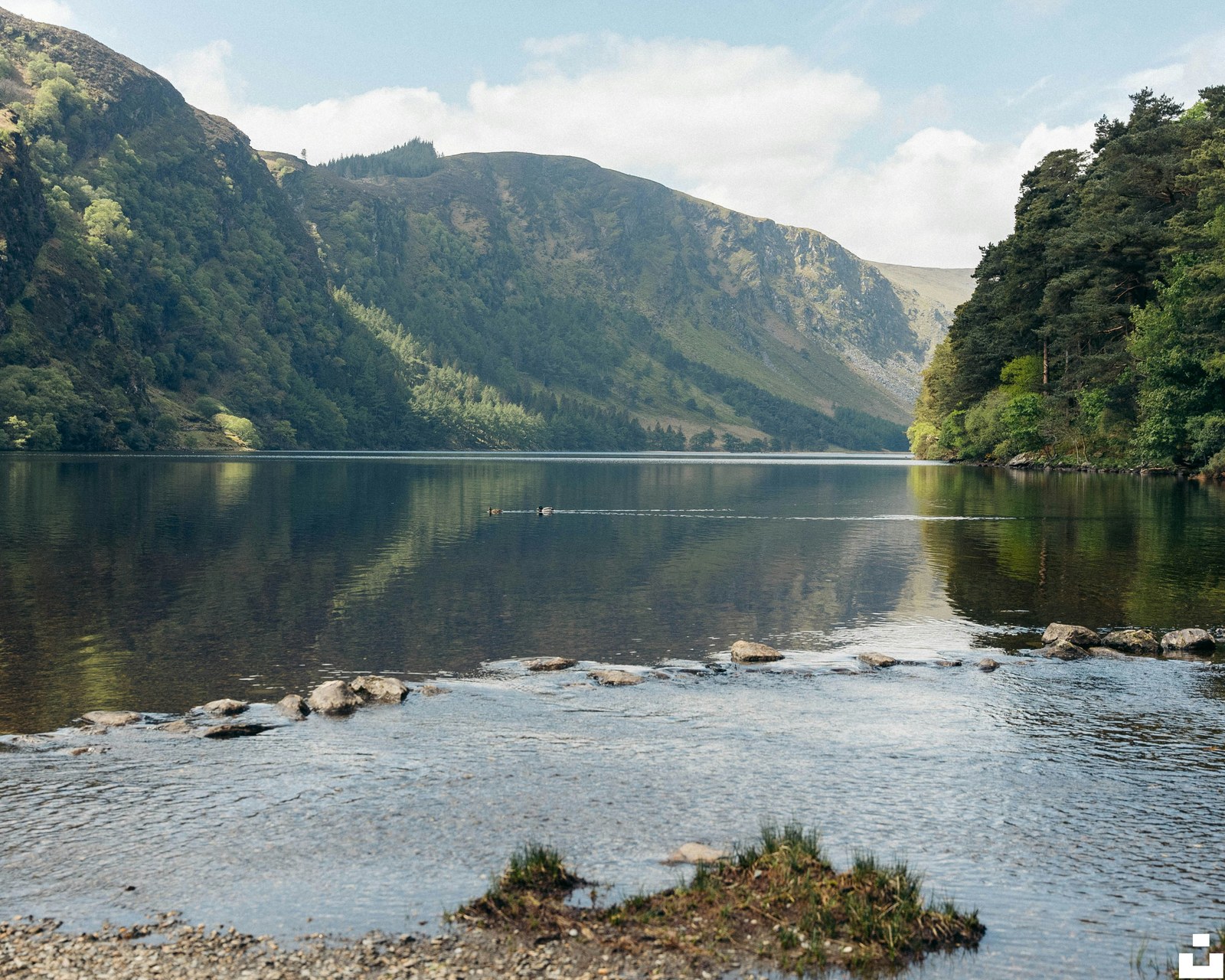
Take time to explore the monastic remains and appreciate the setting. The combination of historic stone structures, wooded hills and water makes Glendalough especially atmospheric.
If you would like to walk around one of the lakes, choose a route that fits your available time and the conditions. Some trails are relatively accessible, while longer routes require more preparation and suitable footwear.
The area can be busy during popular travel periods, but the landscape still offers plenty of opportunities to pause and enjoy the surroundings.
Late Afternoon: A Final Wicklow Viewpoint
If time permits, make one final scenic stop before returning to Dublin.
Depending on your route and the day’s conditions, this might be a mountain viewpoint, a forested area or a short countryside walk. Do not overfill the itinerary: leaving enough time for the return journey is more important than adding another stop. If you are travelling independently, check the return route and fuel arrangements before leaving Glendalough.
Evening: Return to Dublin
Arrive back in Dublin in the early evening, depending on traffic and the length of your countryside visit.
Keep dinner simple. Choose a restaurant near your accommodation or enjoy a relaxed pub meal rather than booking something that requires a precise arrival time. After a full day outdoors, a quiet evening can be the perfect way to appreciate the contrast between Wicklow’s open landscapes and Dublin’s lively streets.
Food note: Enjoy a hearty soup, sandwich or traditional pub meal during the countryside day. Carry water and snacks if your route includes longer walks or limited food stops.
Do not miss: The Wicklow Mountains, Glendalough’s monastic settlement, the round tower and time beside the valley’s lakes.
Logistics: Start early and choose either an organised tour or a well-planned self-drive route. Check the weather, road conditions and trail information before leaving. Bring waterproof clothing, comfortable walking shoes and a charged phone. In winter, sunset can be around 4pm, so start early. Rural public transport is more limited than Dublin’s city network, so confirm all connections carefully if travelling without a tour or car.
Day 4: Dublin’s Food, Museums and a Relaxed Final Day
Your final day is deliberately relaxed. After exploring the city’s history and music scene and spending a day in Wicklow, today is an opportunity to revisit a favourite area, discover a museum or enjoy Dublin’s food culture at a slower pace.
Rather than trying to fit in every remaining attraction, choose a few experiences that match your interests.
Morning: Choose a Museum or Cultural Attraction
Start the day with a museum or cultural site.
Dublin has a range of museums covering Irish history, literature, decorative arts and the country’s political and cultural development. Depending on your interests, you could visit the National Museum of Ireland, the National Gallery of Ireland, Kilmainham Gaol (timed tickets usually need booking well ahead) or another attraction that appeals to you.
Check the current exhibitions, opening arrangements and admission details before setting out. Some museums have free general admission, while special exhibitions or guided experiences may require tickets. If you would rather keep the morning outdoors, take a walk through one of Dublin’s parks or return to the historic centre for photographs and a final look at its architecture.
Late Morning: Browse Local Shops and Markets
Spend some time browsing independent shops, food businesses or market stalls if they are operating during your visit.
Look for Irish-made crafts, books, locally produced food, textiles or small souvenirs that reflect the country’s cultural traditions. A literary gift or a locally made food product can be a more meaningful reminder of the trip than a generic souvenir. Market schedules vary, so check opening days and times before building the morning around a specific market.
Lunch: A Final Taste of Ireland
Make lunch a highlight of the day.
You might choose a restaurant serving modern Irish cooking, a casual café or a traditional pub. Consider ordering a dish you have not yet tried, perhaps Irish stew, seafood chowder, a seasonal fish dish or a simple meal made with local ingredients.
If you enjoy baking, look for Irish brown bread, scones or a traditional dessert. Dublin’s food scene offers plenty of variety, so there is no need to limit yourself to one style of cooking.
Afternoon: Slow Down and Enjoy Dublin
Use the afternoon for a relaxed walk, coffee or one last cultural stop.
You could return to Trinity College’s surroundings, browse a bookshop or revisit a pub that made a good impression earlier in the trip.
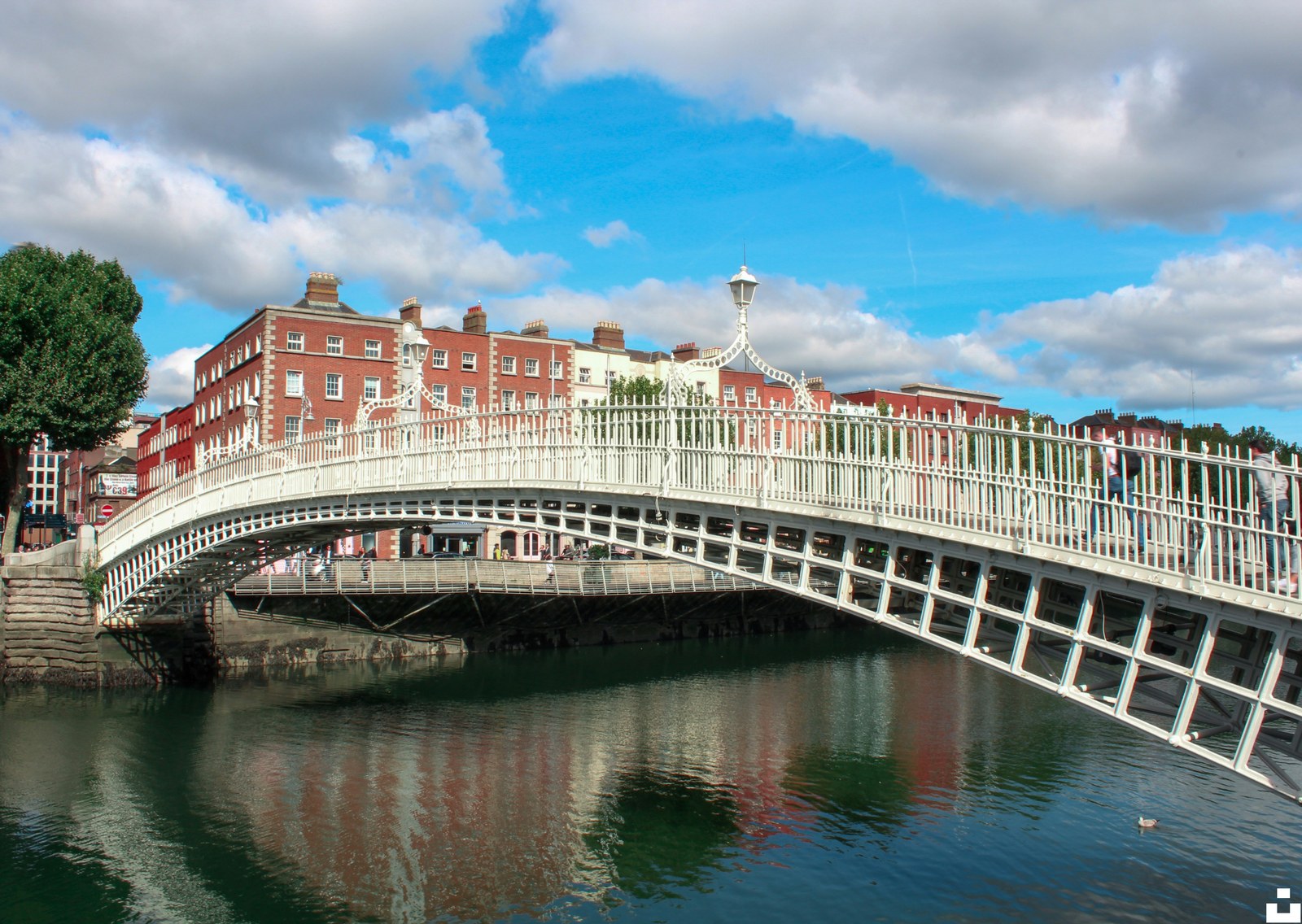
Another option is to walk along the River Liffey and take in the city from a different angle. Dublin’s bridges, historic façades and busy streets offer plenty to enjoy without buying another ticket. Leave time to collect luggage and organise your onward travel if you are departing that evening or the following morning.
Evening: A Farewell Dinner
Finish your trip with a relaxed farewell meal.
Choose a restaurant or pub that reflects the side of Dublin you enjoyed most. It might be a traditional Irish meal, a contemporary restaurant or a cosy neighbourhood spot with a welcoming atmosphere. If your travel schedule allows, enjoy one final evening drink or listen to music. There is something fitting about ending a Dublin trip with conversation, a good meal and the sense that the evening does not need to be rushed.
Food note: Try any Irish speciality you missed earlier, from seafood chowder and brown soda bread to Irish stew or a traditional baked treat. A relaxed final lunch is a good way to enjoy Dublin’s food culture.
Do not miss: A museum that interests you, time browsing local shops or markets, a final walk through the city and one last Irish meal.
Logistics: Check museum and market opening times, particularly on Sundays and public holidays. Keep your final afternoon flexible, and allow enough time to reach the airport or train station.
Where to Stay in Dublin
For a four-day trip, staying in Dublin for all three or four nights is generally the easiest option. Wicklow works well as a day trip, so you do not need to change accommodation unless you specifically want a countryside overnight stay.
- City centre — best for first-time visitors: Staying near Trinity College, College Green or the central shopping streets puts you within walking distance of many historic landmarks, museums, restaurants and pubs. Accommodation can be expensive, especially on weekends and during major events, so compare locations and book early.
- Temple Bar and the surrounding area — best for nightlife: Convenient if nightlife is a priority, but the area can be noisy and crowded in the evenings. Consider staying a little beyond the busiest streets while remaining walkable to the centre.
- Georgian Dublin and Merrion Square — best for culture and architecture: Elegant streets, historic buildings and access to cultural institutions, with a quieter atmosphere close to the centre.
- Smithfield — best for distillery access: Useful if you want a different neighbourhood and attractions in the city’s northwest centre. Check walking routes and transport links for your exact hotel.
Recommendation: Stay in or just outside the central area for all four days. It keeps the city itinerary simple and makes it easier to join a Wicklow excursion without changing hotels. If you prefer quiet evenings, avoid booking directly above a busy pub or late-night venue.
How to Get Around Dublin and Wicklow
Dublin and Wicklow are best approached differently. Dublin’s centre is walkable and well served by public transport, while countryside travel requires more planning.
- Walking: Ideal for Dublin’s historic centre, Trinity College, literary landmarks, restaurants and many pubs.
- Dublin Bus: Useful for journeys beyond the central walking area.
- Luas tram: Convenient for selected routes across the city.
- DART and commuter rail: Useful for some journeys around Dublin and along the coast; check routes before travelling.
- Taxis: Practical for late evenings, luggage or less convenient journeys.
- Guided Wicklow tour: Often the simplest choice for a one-day excursion to the mountains and Glendalough.
- Rental car: Useful for independent countryside exploration, but unnecessary for the city itself.
Check current fares, service updates and ticket options through Transport for Ireland before travelling. Depending on your itinerary, a visitor or multi-day ticket (such as the Leap Visitor Card) may simplify city journeys, but compare the current options against the journeys you expect to make.
Arriving: Dublin Airport is about 10 km north of the city centre and is linked by airport buses (such as Airlink and Aircoach) and taxis. Check current services and fares before you travel.
For Wicklow, do not assume that rural buses will take you directly between all the places you want to visit. Check schedules carefully, including the return journey. A guided tour is often the most straightforward option for a short trip.
Best Time to Visit Dublin and Wicklow
- Spring (March–May): Longer days and greener countryside; rain and cool temperatures remain possible. St Patrick’s Day can make Dublin lively but busier.
- Summer (June–August): Long daylight and good sightseeing conditions, though rain can still occur. Book accommodation, tours and popular attractions ahead.
- Autumn (September–October): Often excellent — lively city, seasonal countryside colours and fewer summer crowds in September.
- Winter (November–February): Shorter days (sunset can be around 4pm in December) and wetter or windier conditions. Museums, pubs and music remain appealing; Wicklow needs more attention to daylight and weather.
For a balanced city-and-countryside trip, May, June and September are particularly appealing. Bring a waterproof jacket and layers, and check the forecast before heading into the mountains.
What to Eat and Drink in Dublin and Wicklow
- Irish stew: A classic warming dish traditionally made with lamb or mutton, potatoes and vegetables.
- Seafood chowder: Often served with brown bread.
- Irish brown soda bread: Traditional wholemeal bread leavened with bicarbonate of soda.
- Boxty: A traditional Irish potato dish found in several regional forms.
- Colcannon: Mashed potatoes with cabbage or kale.
- Coddle: A Dublin-associated dish with sausages, bacon, potatoes and onions.
- Fresh Irish seafood: Worth looking for on seasonal menus.
- Irish whiskey: Explore styles through a tasting or distillery visit.
- Irish stout & craft beer: Familiar pub choices with local variety.
- Irish coffee: Coffee, whiskey, sugar and cream — preparation varies by venue.
For a fuller food experience, do not limit yourself to pub meals. Dublin has bakeries, independent cafés, markets and restaurants that showcase modern Irish cooking. In Wicklow, a village café or pub can provide a welcome break between outdoor stops.
Practical Tips for Visiting Dublin and Wicklow
- Book popular experiences ahead: Book of Kells, distillery tours and ticketed music events — especially in busy periods.
- Plan the Wicklow day carefully: Allow for journey time, stops, walking distances, weather and the return to Dublin.
- Prepare for Irish weather: Waterproof jacket, walking shoes and layers; Wicklow can feel cooler and windier than central Dublin.
- Check trail and road conditions: Choose walks for your fitness; avoid unfamiliar exposed routes in poor weather.
- Enjoy traditional music respectfully: Confirm session vs ticketed show; arrive early if seating matters.
- Be sensible with whiskey tastings: Never drive after drinking; plan transport first.
- Check opening hours and event dates: Especially Sundays, holidays and festival periods.
- Carry a payment card and some backup cash: Cards are widely used; keep a backup for small purchases.
- Currency and plugs: The Republic of Ireland uses the euro, and sockets are Type G, as in the UK.
- Drinking age and ID: The legal age to buy and drink alcohol is 18; carry photo ID.
- Tipping: Not obligatory in pubs; around 10–15% is common in table-service restaurants if service is not already included.
- Leave time for conversation: Some of the best moments happen over a meal or in a pub — avoid filling every hour.
Estimated Budget for 4 Days in Dublin and Wicklow
Your costs will depend on accommodation, dining choices, whiskey experiences, transport and the kind of Wicklow excursion you choose. The following estimates are broad planning ranges per person for four days, excluding international flights.
| Travel style | Estimated daily budget | Four-day estimate |
|---|---|---|
| Budget-conscious | €80–€140 | €320–€560 |
| Mid-range | €170–€280 | €680–€1,120 |
| Comfortable or premium | €320+ | €1,280+ |
These figures are indicative rather than live prices and assume per-person costs while sharing a room; solo travellers should expect higher accommodation costs. Dublin accommodation can be a major expense, especially during events and busy weekends. A guided Wicklow tour, paid distillery experience, premium whiskey tasting or ticketed music event will add to the overall budget.
To manage costs, book accommodation early, choose a mix of casual meals and sit-down dinners, and prioritise the attractions that interest you most. Dublin’s public transport and walkable centre can also help keep daily travel costs reasonable.
Important Links
- Visit Dublin — Official Tourism
- Dublin Castle
- Jameson Distillery Bow St.
- TradFest Dublin
- Glendalough Visitor Information
- Wicklow Mountains National Park
- Visit Wicklow
- Transport for Ireland
Frequently Asked Questions
Is four days enough for Dublin and Wicklow?
Yes. Four days is a good introduction to Dublin’s literary heritage, pubs, whiskey, music and historic attractions, with one full day for the Wicklow Mountains and Glendalough. If you want several countryside hikes or additional day trips, consider staying longer.
Is a Wicklow day trip worth it?
Absolutely, especially if you want to experience Ireland beyond the capital. The Wicklow Mountains offer scenic landscapes, while Glendalough combines walking opportunities with historic monastic remains. The key is to plan transport and allow enough time to enjoy the area.
Should I rent a car for Wicklow?
Not necessarily. A guided day tour is often the simplest option for a short visit. Renting a car can offer greater flexibility if you want to explore independently, but you should be comfortable driving on rural roads and planning your route.
Do I need to book a whiskey tour in advance?
Booking ahead is recommended for popular distilleries and specific tasting experiences. Check the official website for available times, prices, tour duration and age requirements.
Where can I hear traditional Irish music in Dublin?
Dublin has pubs and venues offering traditional music, but schedules vary. Check current listings and confirm whether the experience is an informal session or a ticketed performance. Do not assume that every pub has live music every night.
What is the best area to stay in Dublin?
The city centre is convenient for first-time visitors because many attractions, pubs and restaurants are within walking distance. Georgian Dublin offers an elegant atmosphere, while Smithfield can be useful for visitors interested in distilleries and a different neighbourhood feel.
What should I book before arriving?
Prioritise accommodation, the Book of Kells Experience if you want to visit, your preferred distillery tour, and any ticketed music or cultural events. Book a Wicklow tour in advance during popular travel periods.
Is Dublin expensive?
Dublin can be expensive, particularly for accommodation, restaurant dining and premium experiences. However, walking, public transport, casual cafés, free cultural attractions and carefully selected paid experiences can help you balance the budget.
What should I wear for Wicklow?
Wear comfortable walking shoes, bring a waterproof jacket and dress in layers. Conditions can be cooler, windier and wetter in the mountains than in Dublin. If you plan to walk beyond short paths, check the route difficulty and weather before leaving.
Conclusion
Dublin and Wicklow offer two complementary sides of Ireland. Dublin is lively, literary and sociable, with a rich tradition of storytelling, music, whiskey and pub culture. Wicklow provides a quieter contrast, with mountain landscapes, glacial lakes and historic places that invite you to slow down and enjoy the outdoors.
Over four days, you can experience both without turning the trip into a race. Explore Dublin’s historic centre and literary heritage, learn about Irish whiskey, enjoy a traditional music evening and spend a full day among the landscapes of Wicklow and the monastic remains of Glendalough. Finish with a relaxed day of food, museums and neighbourhood discoveries.
The best moments may be the ones that happen between the major attractions: a conversation over lunch, a tune played in a pub, a story connected to an old building or a quiet view across a green valley. These are the experiences that bring Ireland’s culture to life.
Allow enough time to enjoy the places you visit, prepare for changeable weather and leave room for spontaneous discoveries. Four days in Dublin and Wicklow can offer a memorable introduction to Ireland’s history, hospitality and landscapes — and a good reason to return.
Ready for whiskey, Glendalough and a pint?
Plan your Dublin & Wicklow trip with Honge
Open this itinerary in Honge and make it yours: keep the city centre as your base, then slot whiskey, music and a Wicklow day around your dates.
Related itineraries
Written by
This blog was contributed by B. Sai Nikita, a travel enthusiast and writer. B. Sai Nikita can be reached at bsainikita10@gmail.com.
About Honge
Honge is an AI travel planning platform focused on practical, experience-led itineraries with realistic pacing and logistics. All blog content is edited and published by Honge. Our Dublin and Wicklow research draws on updated practical logistics as of November 2026. © Honge. All rights reserved.
Travel disclaimer
This itinerary is intended as general travel inspiration and planning guidance only — not as personalised travel, safety or medical advice. Opening hours, ticket types, tour availability, event schedules, weather, road conditions and transport arrangements can change. Confirm details with official sources before you travel, and check weather and trail conditions before any Wicklow walk. Take out comprehensive travel insurance. Suggested stay areas in this article are samples only and depend on availability; in the Honge app they may appear as booking options when offered by our vendors at the time of your search. Honge is not responsible for decisions made based on this guide or for changes to places, prices, access, services or experiences after the date of publication.