
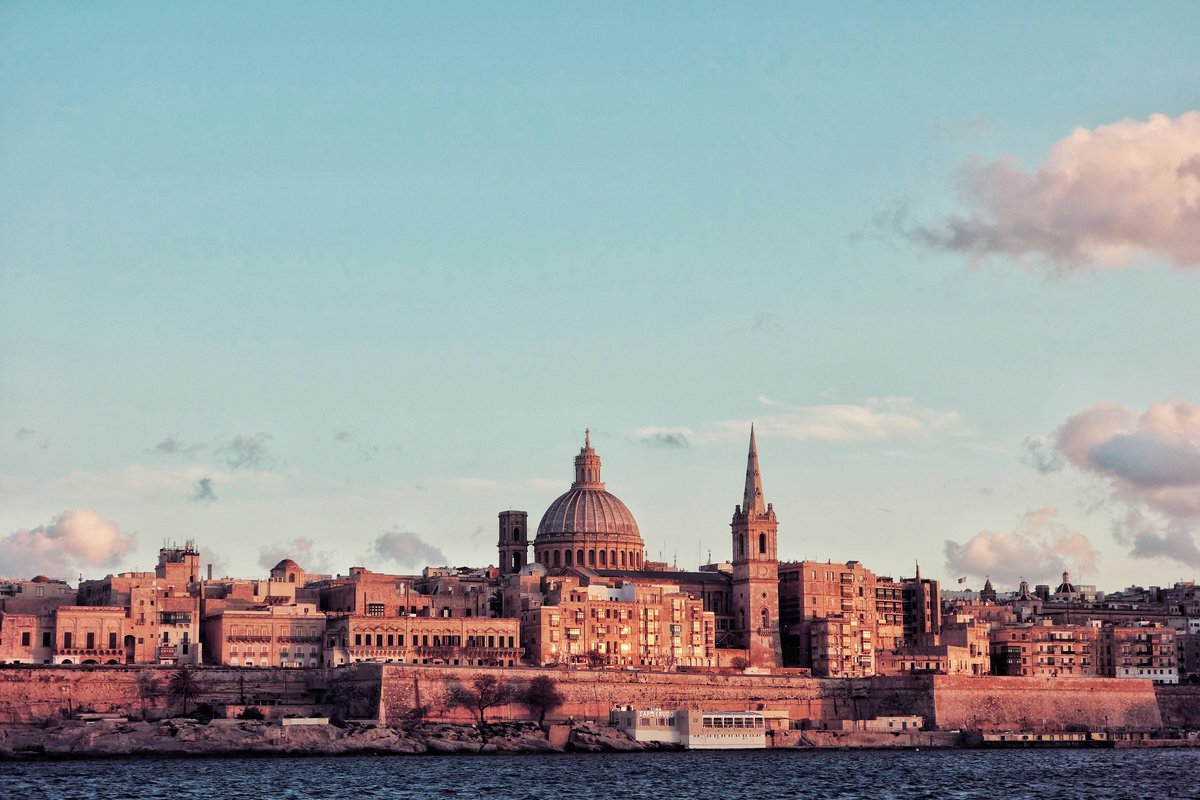
The idea is to slow down, enjoy a swim, linger over a café by the harbour and let some moments belong just to you rather than rushing to check off every landmark.
Start with this itinerary
Open this Malta and Gozo route in Honge as your starting point, then shape ferry days, swimming stops and café breaks around how you travel.
Introduction
From fortified medieval streets and honey-coloured limestone buildings to fishing villages, crystal-clear swimming spots and quiet island landscapes, Malta packs an extraordinary amount into a small Mediterranean destination. This 7-day itinerary combines Malta's historic heart with the slower pace of Gozo, while leaving enough room for cafés, swimming, food and spontaneous exploration.
Malta's compact size makes it especially convenient for an independent trip. You can base yourself in one area, use ferries and buses for the main sights, and add taxis or organised tours when they make the day easier. Gozo deserves particular attention, as arriving late or trying to see the island too quickly means missing some of its best experiences.
Why This Trip Works
Malta is small, but its experiences are remarkably varied. You can spend one morning wandering the fortified streets of Mdina, the afternoon swimming from a rocky Mediterranean cove and the next day exploring prehistoric temples or medieval fortifications.
The itinerary also balances Malta and Gozo rather than treating Gozo as a rushed day trip.
For solo travellers, Malta also works well because many of its highlights are naturally suited to independent exploration: walking tours, waterfront promenades, museums, cafés, food tours and scenic ferry rides.
Good to Know
- English is widely spoken, especially in tourist areas, hotels, restaurants and transport hubs.
- Malta uses the euro (€), and cards are widely accepted, though carrying some cash is useful for smaller cafés and local stalls.
- Ferries are part of everyday travel, but services can be affected by strong winds or rough seas.
- Religious sites have dress codes, so carry something that covers your shoulders and knees when visiting churches.
Before You Go
- Book accommodation early if travelling during the busy summer months, especially if you want to stay in Valletta or popular parts of Gozo.
- Decide whether you actually need a car. For this itinerary, buses, ferries and taxis are enough; a rental car mainly adds flexibility on Gozo.
- Plan your Gozo ferry around your itinerary and aim to arrive early on your first island day.
- Check ferry and boat conditions before planning swimming or coastal excursions.
Route at a Glance
| Day | Base | Focus |
|---|---|---|
| Day 1 | Valletta | Arrival, waterfront, Barrakka Gardens |
| Day 2 | Valletta | St. John's Co-Cathedral, ceremonial cannon firing & historic centre |
| Day 3 | Valletta | Three Cities, Mdina, Rabat & Dingli Cliffs |
| Day 4 | Valletta | Marsaxlokk, St. Peter's Pool & southern coast |
| Day 5 | Gozo | Victoria, Citadel, Xlendi & Gozo villages |
| Day 6 | Gozo | Ġgantija, Ramla Bay, Dwejra & coastal scenery |
| Day 7 | — | Return to Malta, cafés & departure |
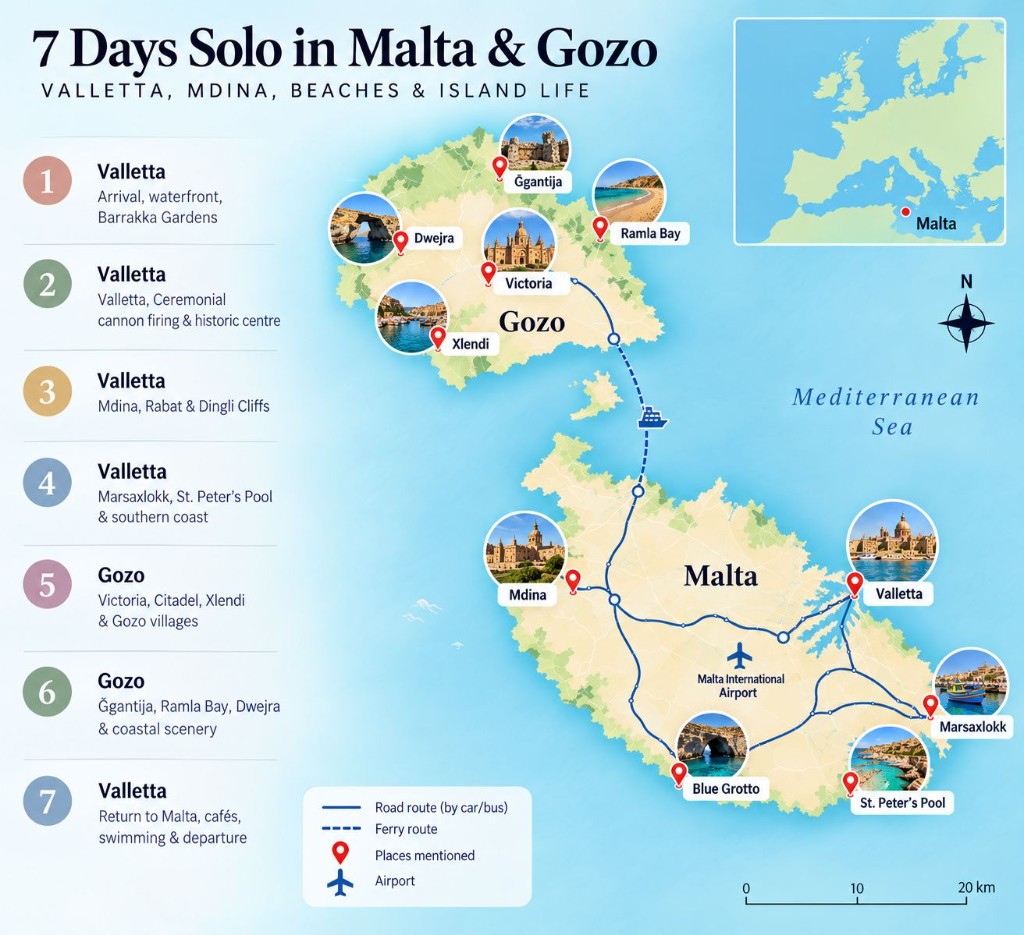
Valletta → Three Cities → Mdina & Rabat → Marsaxlokk & Blue Grotto → Gozo → Valletta
Day 1: Valletta Old Town & Harbour Views
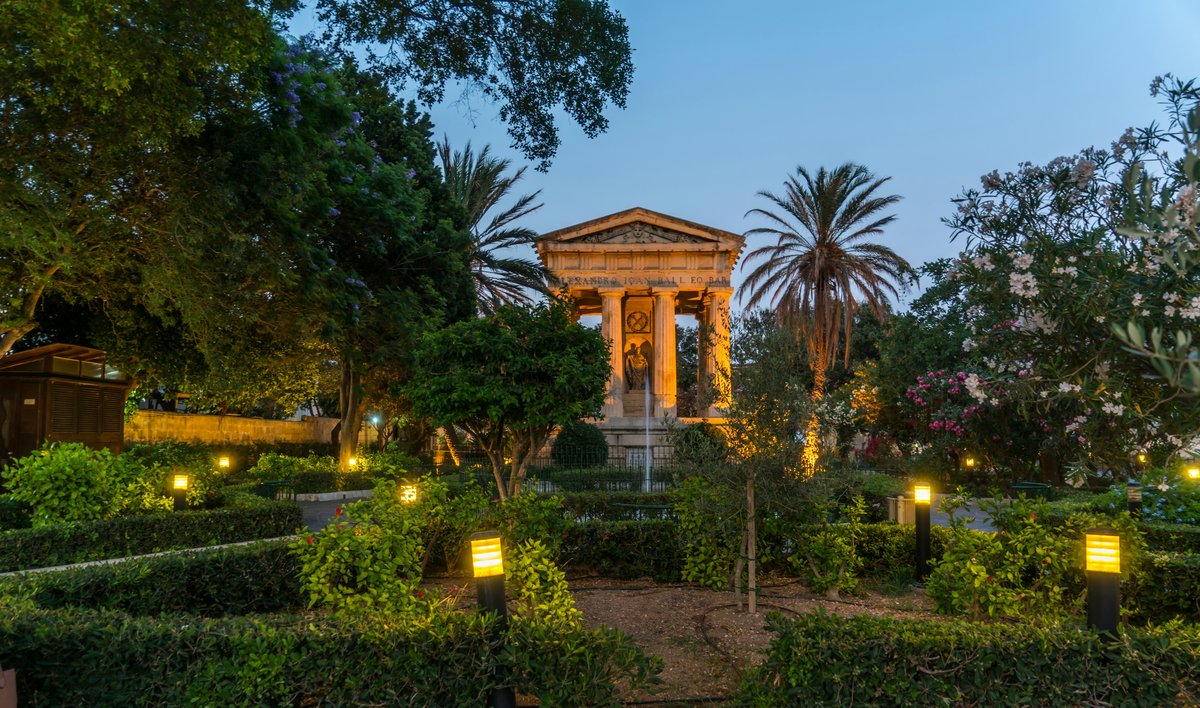
Start your Malta trip in Valletta, wandering through its narrow limestone streets, colourful balconies and historic buildings. Visit the Upper Barrakka Gardens for sweeping views across the Grand Harbour and the Three Cities. Valletta is compact enough to explore on foot.
Take your time over lunch at a local café and try Maltese favourites such as pastizzi or ftira. Spend the afternoon exploring the waterfront and smaller streets before finding a relaxed spot for sunset.
If you still have time and energy, take the short ferry across to Sliema for a waterfront walk, cafés and views back towards Valletta before returning for the evening.
Day 2: St. John's Co-Cathedral, Museums & Cafés
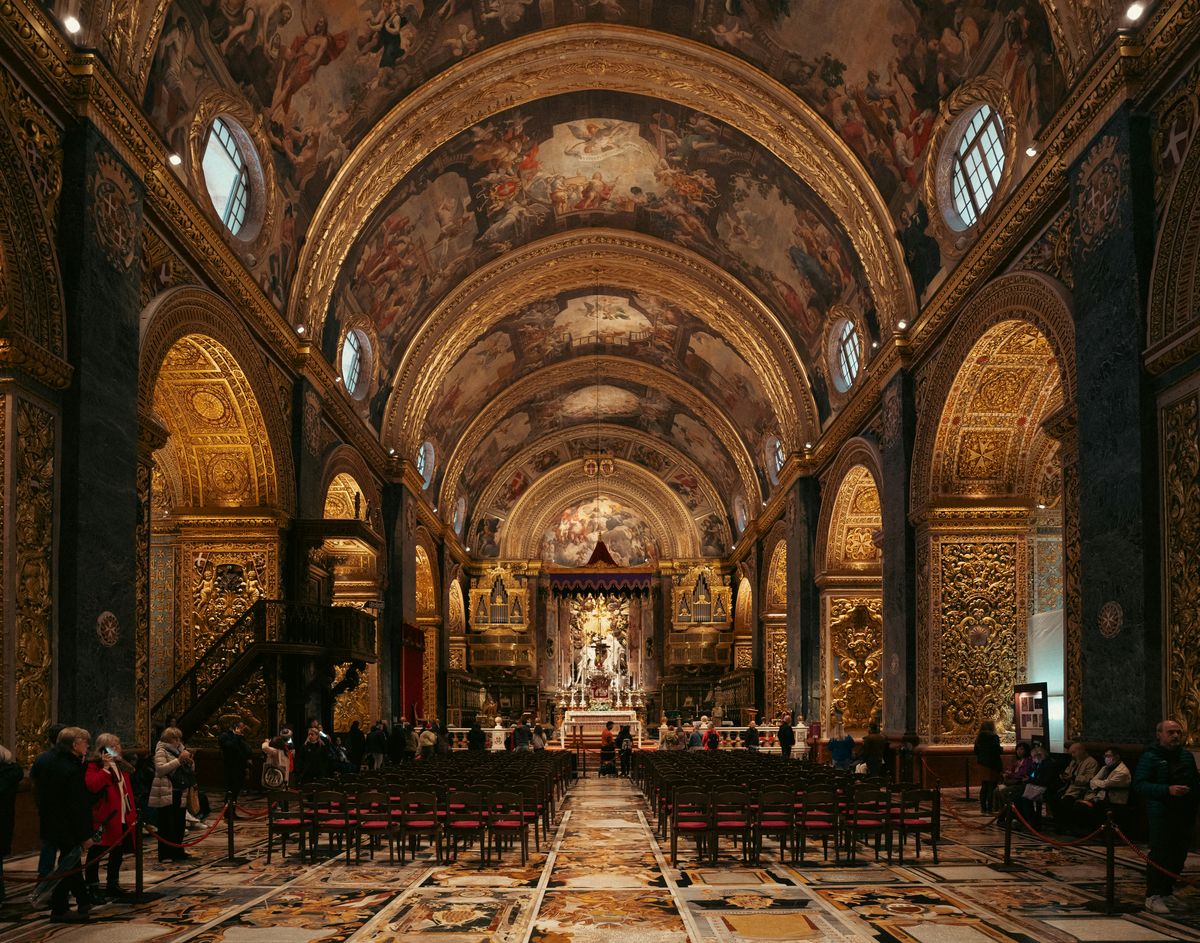
Begin with St. John's Co-Cathedral, then continue through Valletta's museums, historic squares and old streets. Make your way back to the Upper Barrakka Gardens around the ceremonial cannon firing, arriving 15–20 minutes early if you want a good view.
Keep the afternoon deliberately slow with a café stop or food walk through the city. Valletta works particularly well for solo travellers because its compact centre makes independent wandering easy.
Day 3: Three Cities, Mdina & Rabat
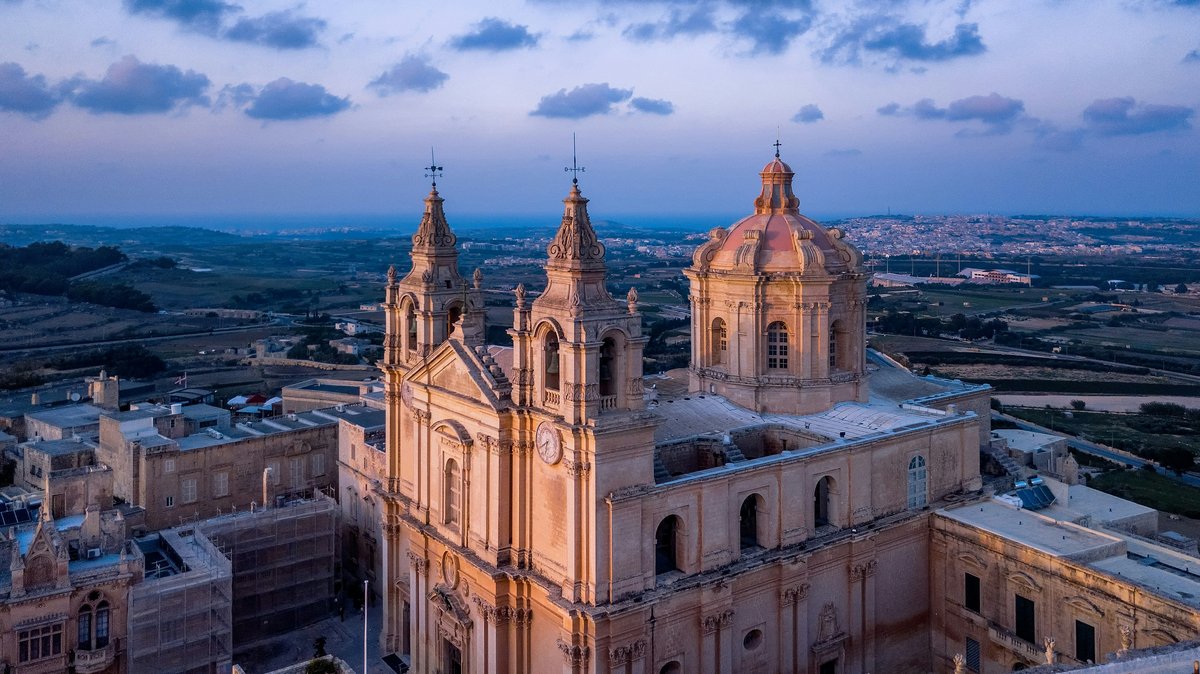
Take a short trip across the harbour to the Three Cities, exploring their waterfronts, historic lanes and old fortifications. Return toward central Malta and continue to Mdina, the atmospheric walled city known for its quiet limestone streets.
Continue into Rabat to explore sites such as St. Paul's Basilica, historic shelters and catacombs. Stop at Fontanella Tea Garden in Mdina for a drink or cake with views over the surrounding landscape. If time allows, finish at Dingli Cliffs for coastal views and sunset.
Day 4: Marsaxlokk, St. Peter's Pool & Blue Grotto
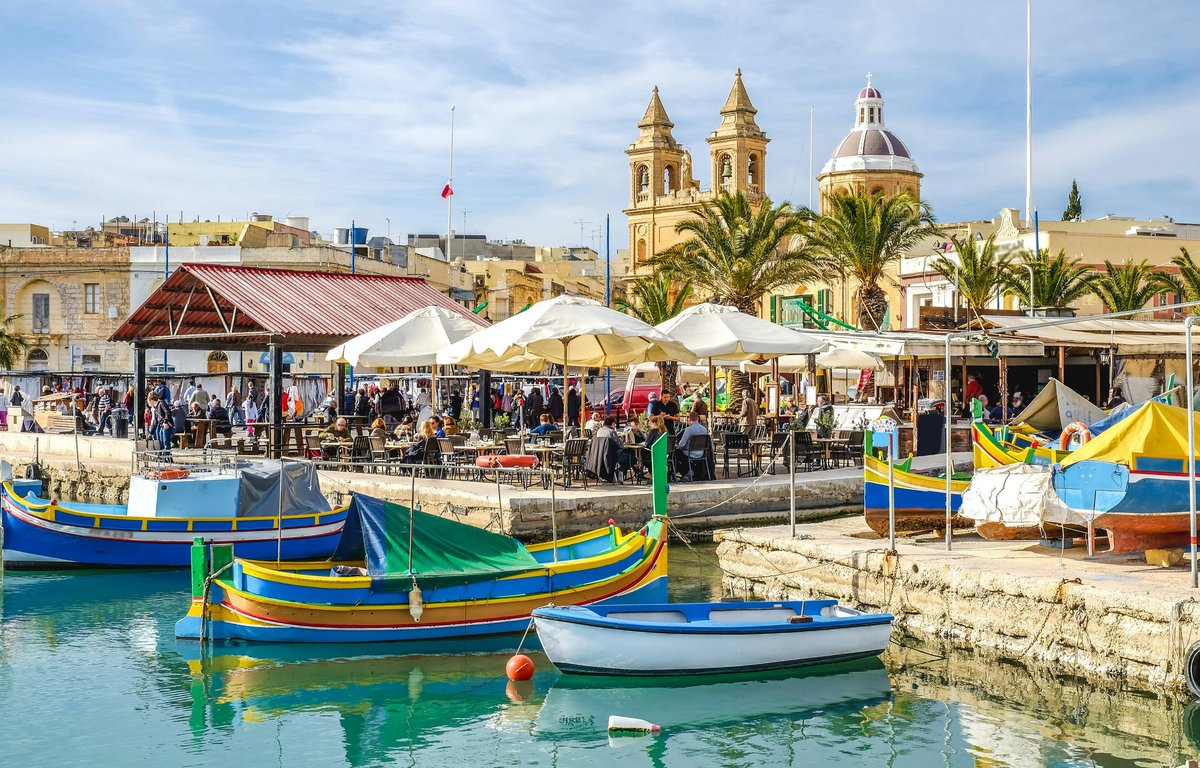
Head south to Marsaxlokk, a traditional fishing village lined with colourful luzzu boats and waterfront restaurants. If you're visiting on Sunday, explore the lively market for fresh fish, local treats and souvenirs, although weekdays are quieter. Continue to St. Peter's Pool for a swim or coastal views before moving on.
Continue toward the Blue Grotto area, with the option to add the prehistoric temples of Ħaġar Qim and Mnajdra. The southern coast combines dramatic limestone scenery with some of Malta's most memorable swimming and sightseeing spots. Return to Valletta in the evening for a relaxed final night on Malta's main island.
Day 5: Gozo: Victoria, Citadel & Xlendi
Take the ferry to Gozo in the morning and base yourself around Victoria/Rabat or another convenient village. Explore Victoria's cafés, local shops and streets before heading up to the Citadel, whose fortified walls provide panoramic views across the island. Gozo feels noticeably quieter and less developed than Malta.
In the afternoon, head to Xlendi Bay, a sheltered coastal spot surrounded by cliffs. Spend time swimming if conditions are suitable, then enjoy a relaxed waterfront meal or drink. Staying overnight in Gozo gives you much more time to experience the island without trying to fit everything into a rushed day trip.
Note: Check the latest Malta–Gozo ferry schedules and service updates before travelling on the official Gozo Channel website.
Day 6: Ġgantija, Ramla Bay, Salt Pans & Dwejra
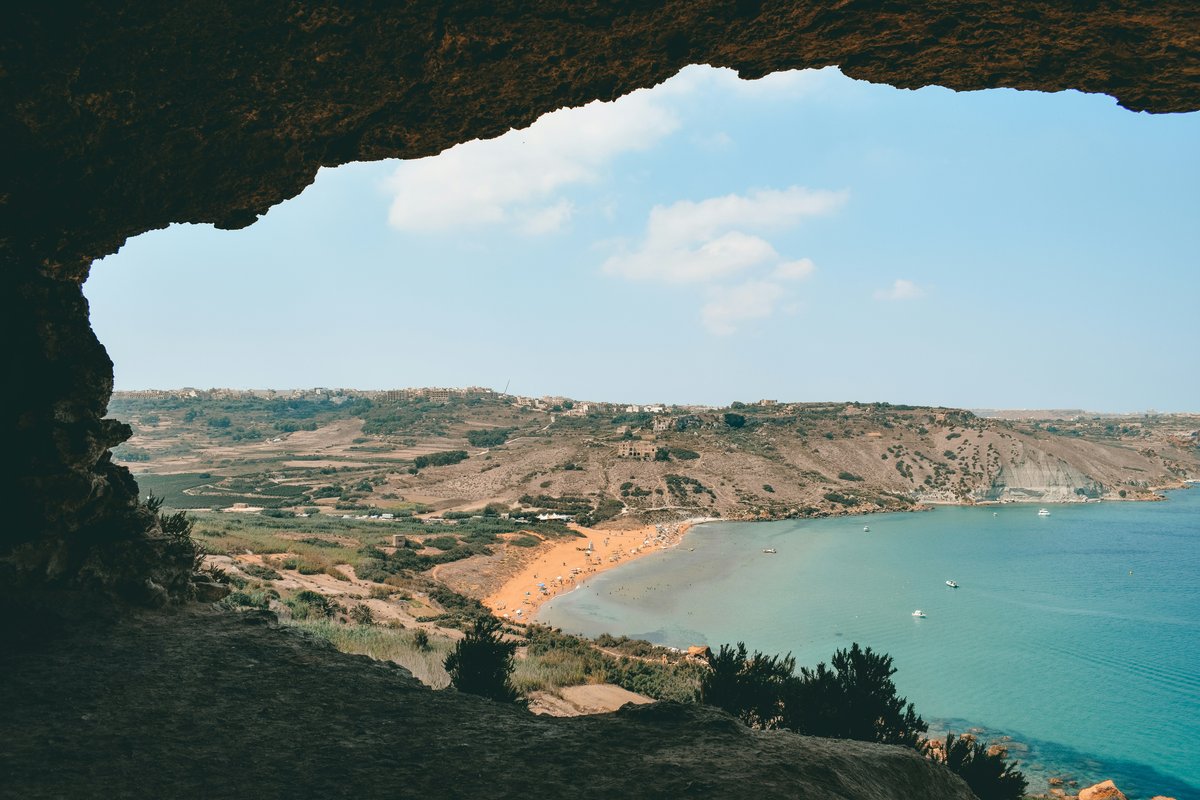
Start with the Ġgantija archaeological site, one of Gozo's major prehistoric attractions, before continuing toward Ramla Bay. Its red-golden sand makes it one of the island's standout beaches, and arriving earlier helps you avoid the busiest part of the day.
Continue along the coast toward the Xwejni salt pans and then Dwejra, where the Inland Sea and surrounding limestone cliffs create some of Gozo's most dramatic scenery. If conditions allow, boat trips can pass through the opening toward the open sea. Add Ta' Pinu Basilica if you have enough time.
Day 7: Return to Malta & Departure
Take the ferry back to Malta and keep your final day flexible around your departure time. Use the remaining time for one last Maltese meal or a slow coffee before heading to the airport.
Keep some flexibility in your schedule because ferry services can be affected by weather conditions. Rather than adding another major attraction, use your final hours to enjoy Malta's streets, harbour views and Mediterranean atmosphere.
Getting Around Malta
- Ferries: The Valletta–Sliema ferry is a quick and scenic way to travel between the two waterfront areas and can be useful when you want to avoid road traffic.
- Buses: Malta Public Transport buses are useful for travellers on a budget and connect many of the major towns and attractions.
- Bolt / ride-hailing: Bolt is a convenient alternative to buses, particularly when saving time matters.
- Rental car: A car is optional rather than essential for this itinerary. It can be useful on Gozo if you want to reach beaches, villages and remote coastal areas independently. Parking around Malta's busier cities can be difficult, while buses, ferries and ride-hailing are sufficient for many visitors.
Getting Around Gozo
Gozo gives you several options:
- Rental car
- Public buses
- Hop-on hop-off sightseeing buses
- Taxi / ride-hailing
- Organised day tours
Hop-on hop-off buses can be convenient for a first visit, but the gaps between buses can make the day less flexible. If you're only visiting Gozo for one day, start early. If you have two days, staying overnight makes the island much more relaxed.
Solo Travel in Malta
Malta is particularly easy to enjoy alone because many activities don't require a group. Good solo activities include:
- Walking tours
- Food tours
- Museum visits
- Waterfront walks
- Swimming
- Photography
- Ferry rides
- Sunset walks
- Exploring Mdina's side streets
A food or history walking tour can also be an easy way to meet people while learning more about the destination.
Don't feel pressured to fill every hour. Some of the best moments of solo travel come from simply walking, stopping for food and enjoying the destination at your own pace.
Where to Stay
| Base | Best for | Why stay here |
|---|---|---|
| Valletta (nights 1–4) | Historic atmosphere, walking, museums, restaurants | Ideal for staying close to the main sights and experiencing the historic centre. |
| Gozo — Victoria/Rabat (nights 5–6) | Restaurants, cafés & island sightseeing | Convenient for exploring Gozo's main attractions. For a quieter experience, consider staying in a traditional village. |
Best Time to Visit
- April–June: Warm weather, good for sightseeing and outdoor activities.
- July–August: Hot and busy, but excellent for swimming and beach-focused trips.
- September–October: Warm Mediterranean conditions with somewhat more comfortable sightseeing weather.
- November–March: Quieter and cooler, but rain and wind can affect boat trips and exposed coastal walks.
How to Arrive & Depart
From Malta International Airport, Valletta and Sliema are easily reached by bus, taxi or transfer. Valletta is the better fit for this itinerary, while Sliema can be an alternative for travellers who prefer a modern seaside setting and waterfront promenade.
For departure, allow extra time if travelling from Gozo, as you'll need to cross back to Malta before reaching the airport.
Malta's Beaches: What to Expect
One thing to know before you arrive: Malta isn't exclusively a sandy-beach destination. Many swimming spots are rocky coves, limestone platforms or pebbly bays. That's part of what gives Malta its distinctive coastline, but it also means water shoes can be useful.
For sandy beaches, consider:
- Ramla Bay — Gozo
- Mellieħa Bay — Malta
For dramatic rocky swimming spots, look toward places such as Sliema's waterfront and St. Peter's Pool. Always check sea conditions before swimming, particularly around exposed coastal areas.
Sliema waterfront: Sliema has several rocky swimming spots along its waterfront, making it a convenient option for a quick swim if you are staying nearby or visiting from Valletta. Conditions can vary, so check the sea before getting in.
What to Eat in Malta
Malta's food reflects its position at the crossroads of the Mediterranean. Try:
- Pastizzi: Flaky pastry traditionally filled with ricotta or peas.
- Ftira: A traditional Maltese bread that can be eaten as a sandwich or topped with local ingredients.
- Imqaret: A sweet date-filled pastry.
- Rabbit: A traditional Maltese dish worth trying if you eat meat.
- Fresh seafood: Especially around Marsaxlokk and other coastal villages.
- Maltese bread & local cheese: Simple, traditional choices that work well for a casual lunch.
Cafés & Slow Travel
Don't underestimate Malta's café culture.
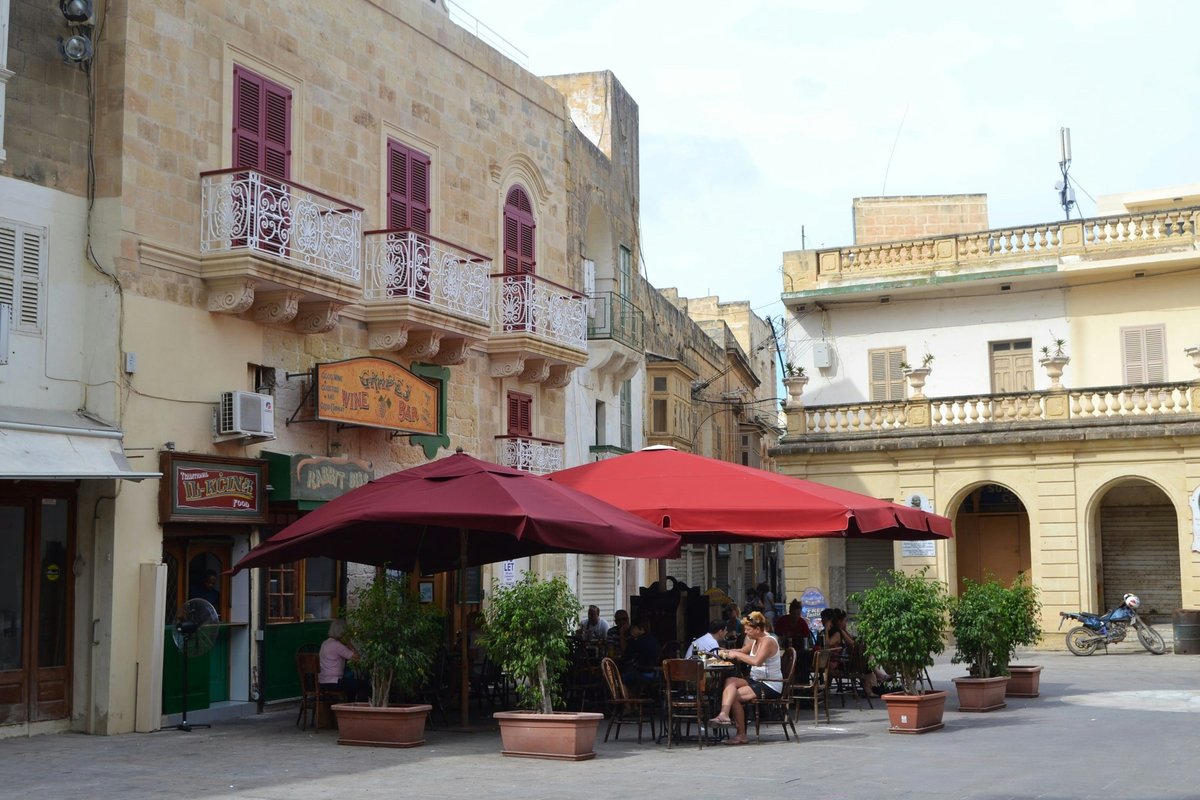
Valletta's narrow streets are full of cafés where you can sit outside, people-watch and take a break between sights. Sliema's waterfront adds another option, especially around sunset.
In Mdina, a café stop with a view can be as memorable as another museum.
This is also one of the easiest ways to make the itinerary feel less rushed: explore for a few hours, stop for coffee, then continue.
Weather & What to Pack
Malta can become very hot, particularly in summer. Pack:
- Comfortable walking shoes
- Water shoes
- Sunscreen
- Hat
- Sunglasses
- Reusable water bottle
- Lightweight clothing
- Swimwear
- Light layer for evenings
- Small daypack
September can still bring hot and humid conditions, so plan for plenty of shade, sunscreen and water.
Winter, on the other hand, can bring rain, strong wind and muddy conditions on exposed Gozo trails. If you're hiking Gozo's coast, check the weather before setting out. Some exposed trails can become slippery and difficult after heavy rain.
Luggage & Practical Tips
- Carry water when exploring Mdina, Valletta and Gozo.
- Leave room for swimming gear.
- If you're using buses, allow extra time rather than planning connections too tightly.
- If taking the ferry, check conditions when the weather is rough.
- Keep some flexibility in your schedule for cafés, swimming and weather changes.
- If you plan to visit a popular restaurant or tasting-menu venue, reserve ahead where possible.
Optional Additions
If you have extra time, consider adding:
Comino & Blue Lagoon: A boat trip to Comino is an easy way to add a day on the water. A day-boat trip covering Gozo, Comino and the Blue Lagoon is a convenient way to see several coastal highlights in one day.
More Gozo: If you have more than seven days, simply adding another night to Gozo may be more rewarding than trying to squeeze another destination into the itinerary.
Why Malta Works for a Week
You can start the week among Valletta's historic streets, move through Mdina's medieval atmosphere and Marsaxlokk's fishing harbour, then slow down on Gozo with beaches, archaeological sites, villages and coastal walks.
For a first visit, seven days gives you enough time to experience Malta's history and architecture without overlooking its most enjoyable feature: the Mediterranean setting itself.
Estimated 7-Day Budget
| Expense | Budget | Mid-range |
|---|---|---|
| Accommodation | €315–€490 | €560–€910 |
| Food & drinks | €140–€210 | €245–€350 |
| Public transport | €25–€50 | €50–€80 |
| Ferries | €10–€25 | €20–€40 |
| Attractions & museums | €30–€60 | €60–€100 |
| Occasional taxis/Bolt | €20–€40 | €40–€80 |
| Estimated total | €540–€875 | €975–€1,560 |
Useful Links
- Visit Malta
- Malta Traveller Information
- Malta Public Transport
- Visit Malta — Gozo
- Visit Malta — Maps & Guides
- Gozo Channel ferries
- Heritage Malta
- Malta International Airport
Prompts to Try in Honge
- Plan a 7-day solo trip to Malta and Gozo without a car.
- Which Gozo village should I stay in for a quiet two-night stay?
- Plan a southern Malta day with Marsaxlokk, St. Peter's Pool and the Blue Grotto by bus.
- Find the best rocky swimming spots near Valletta and Sliema.
- Plan a windy-day backup if the Gozo ferry is disrupted.
- Suggest a food walk in Valletta for a solo traveller.
FAQs
Is Malta good for a solo trip?
Yes. Its compact historic centres, public transport, ferries, cafés and range of independent activities make it easy to explore at your own pace.
Is 7 days enough for Malta and Gozo?
Yes. Seven days gives you enough time for Valletta, Mdina, the southern coast and two nights in Gozo without making the itinerary excessively rushed.
Should I stay in Gozo?
For this itinerary, two nights in Gozo works particularly well. A day trip is possible, but staying overnight gives you more time for beaches, villages, archaeological sites and the coast.
Do I need a car?
Not necessarily. You can complete this itinerary using buses, ferries, walking and taxis. A car becomes more useful if you want to explore remote parts of Gozo independently.
Is Malta expensive?
Costs vary depending on accommodation and dining choices. Local bakeries, casual cafés and public transport can help keep the trip affordable.
What should I pack for swimming?
Bring swimwear, sunscreen and water shoes. Many Maltese swimming areas are rocky rather than sandy.
Can I visit Malta without speaking Maltese?
Yes. English is widely used, making communication relatively easy for international visitors.
Ready to Plan Your Malta & Gozo Adventure?
From Valletta's historic streets to Gozo's golden beaches, Malta offers the perfect mix of history, Mediterranean food, coastal scenery and slow island life. With the right route, you can explore fortified cities, fishing villages, swimming spots and two islands in just seven days without needing to rent a car.
Ready for two islands in a week?
Plan your Malta & Gozo trip with Honge
Keep Valletta and Gozo as bases, then shape ferry days, swims and café stops around your pace.
Related itineraries
- 8 Days Solo in Romania: Bucharest, Brașov, Sibiu & Dracula's Transylvania
- 10-Day Taiwan Solo Itinerary: Taipei Food, Nature & Culture
- 5 Days Solo in Luxembourg: City, Moselle Wine Country & Müllerthal
- 7 Days Solo in Slovakia: Bratislava, the High Tatras & Košice
- 5-Day Croatia Itinerary for Solo Travelers
Written by
This blog was contributed by Sheba M, a travel enthusiast and writer. Sheba can be reached at shebaranjitha@gmail.com.
About Honge
Honge is an AI travel planning platform focused on practical, experience-led itineraries with realistic pacing and logistics. All blog content is edited and published by Honge. Our Malta research draws on updated practical logistics as of September 2026. © Honge. All rights reserved.
Image credits: Photos are sourced from Unsplash. Copyright remains with their respective photographers. Unsplash images are used according to the Unsplash License.
Travel disclaimer
This itinerary is intended as general travel inspiration and planning guidance only — not as personalised travel, safety or medical advice. Conditions change. Before you travel, check current entry requirements and any travel advisories, review weather and sea conditions, and confirm ferry schedules, boat trips, museum and archaeological-site hours, fees and dress codes directly with official sources. Take out comprehensive travel insurance that covers medical care, swimming and water activities, cancellation and disruption. Swimming from rocky coves and walking exposed coastal trails involve risk; check sea and trail conditions and choose activities that match your experience, especially when travelling alone. If you rent a car, follow local traffic rules (Malta drives on the left). Suggested hotels and stay styles in this article are samples only and depend on availability; in the Honge app they may appear as booking options when offered by our vendors at the time of your search. Honge is not responsible for decisions made based on this guide or for changes to places, prices, access, services or experiences after the date of publication.