
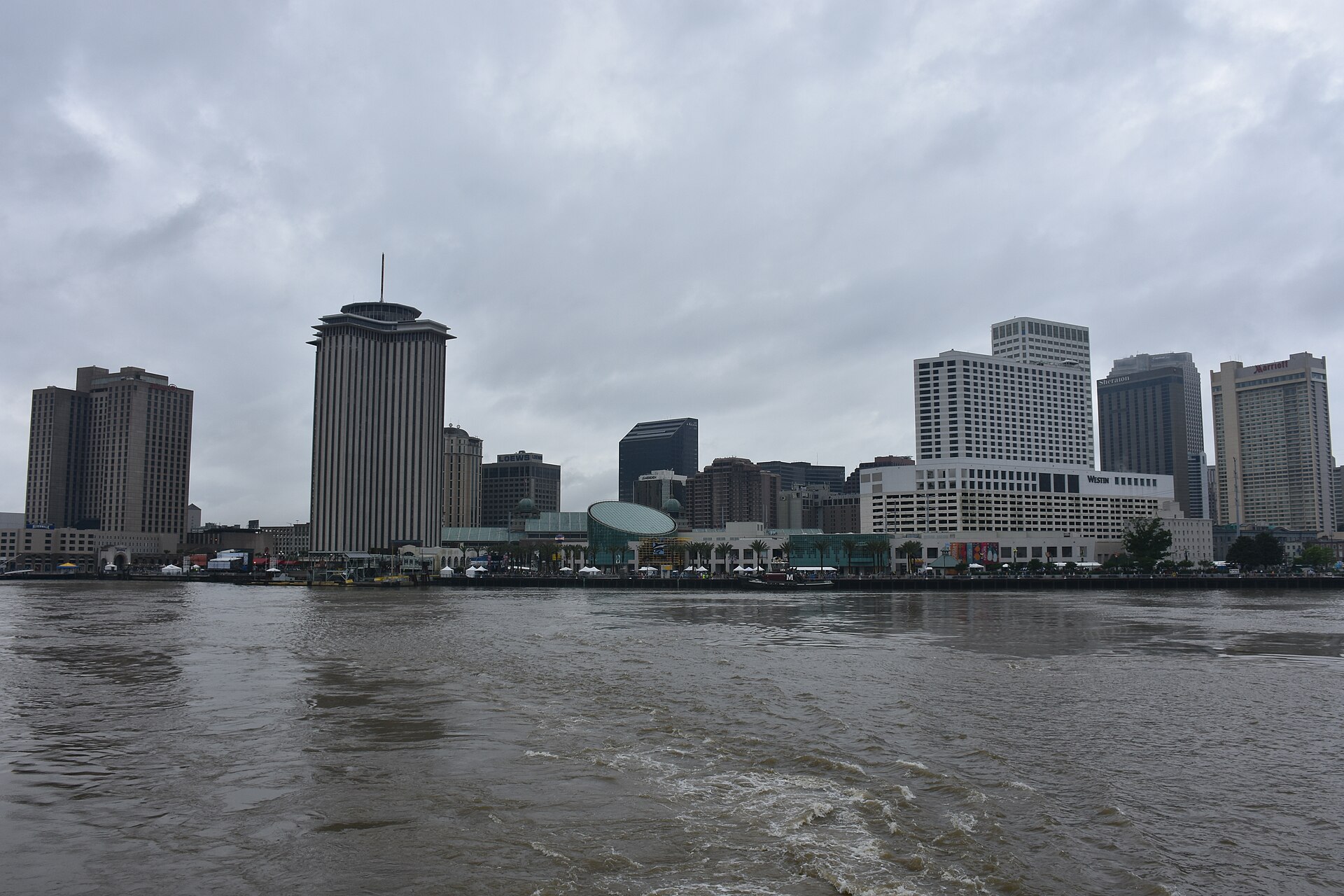

Start with this itinerary
Open this seven-day Louisiana itinerary in Honge as your starting point, then shape the journey around French Quarter jazz, a Mississippi River cruise, a guided bayou tour and Cajun Country food and music around Lafayette.
How Many Days in New Orleans and Cajun Country Is Enough?
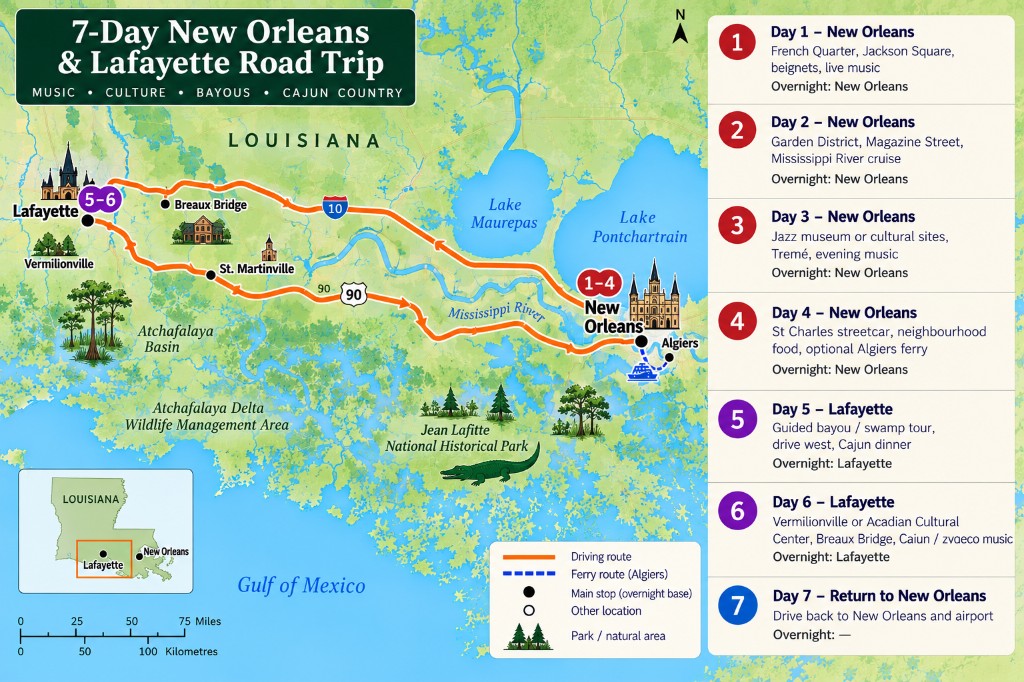
Seven days is enough for a first combined visit: four nights in New Orleans for the French Quarter, Garden District, museums and live music, one wetlands day among the bayous, and time in Lafayette and Cajun Country before returning to New Orleans.
Keep the itinerary to New Orleans, one bayou excursion and the Lafayette area. Trying to add the Gulf Coast, plantation corridor and northern Louisiana into the same week usually turns landmark days into transfer days.
Introduction
Louisiana is a place where cultures meet at the dinner table, music drifts out of doorways, and history is woven into everyday life. In New Orleans, Creole flavors, historic architecture, brass bands and lively neighborhoods create a city unlike anywhere else in the United States. Beyond the city, the landscape changes into wetlands, quiet waterways, small towns and the distinctive Cajun culture of south-west Louisiana.
This seven-day Louisiana road trip combines four days exploring New Orleans with a day among the bayous and a journey west into Cajun Country around Lafayette. You’ll cruise the Mississippi River, eat your way through local specialities, discover the stories behind Louisiana’s diverse communities and experience how life changes once you leave the city behind.
The aim isn’t to see everything. It’s to slow down enough to hear the music, savor the food and appreciate the local traditions that make Louisiana so memorable.
Louisiana at a Glance
- Duration: 7 days, 6 nights
- Route: New Orleans → Bayou Country → Lafayette and Cajun Country → New Orleans
- Best for: Jazz, Creole and Cajun food, history, neighborhoods, river cruises, wetlands and local culture
- Travel style: City exploration by foot and streetcar, followed by a self-drive road trip with pre-booked experiences
- Suggested overnight split: 4 nights in New Orleans, 1 night in Lafayette and 1 additional night in Lafayette or New Orleans, depending on your departure time
- Main highlights: French Quarter, Garden District, live jazz, New Orleans museums, Mississippi River cruise, guided bayou tour, Vermilionville, Cajun food, Lafayette and Breaux Bridge
French Quarter & jazz → Garden District & river cruise → museums & Tremé → streetcar & neighborhoods → bayou tour → Lafayette & Breaux Bridge → return to New Orleans
Journey Overview
| Day | Base | Focus |
|---|---|---|
| Day 1 | New Orleans | French Quarter, Jackson Square, beignets, live music |
| Day 2 | New Orleans | Garden District, Magazine Street, Mississippi River cruise |
| Day 3 | New Orleans | Jazz museum or cultural sites, Tremé, evening music |
| Day 4 | New Orleans | St Charles streetcar, neighborhood food, optional Algiers ferry |
| Day 5 | Lafayette | Guided bayou / swamp tour, drive west, Cajun dinner |
| Day 6 | Lafayette | Vermilionville or Acadian Cultural Center, Breaux Bridge, Cajun / zydeco music |
| Day 7 | Depart | Return drive to New Orleans and airport |
Route Map
Day 1: Arrive in New Orleans and Explore the French Quarter
Welcome to New Orleans, a city that rewards curiosity. The historic centre is best explored slowly, with time to look up at wrought-iron balconies, listen to musicians on street corners and stop whenever an enticing smell drifts out of a kitchen.
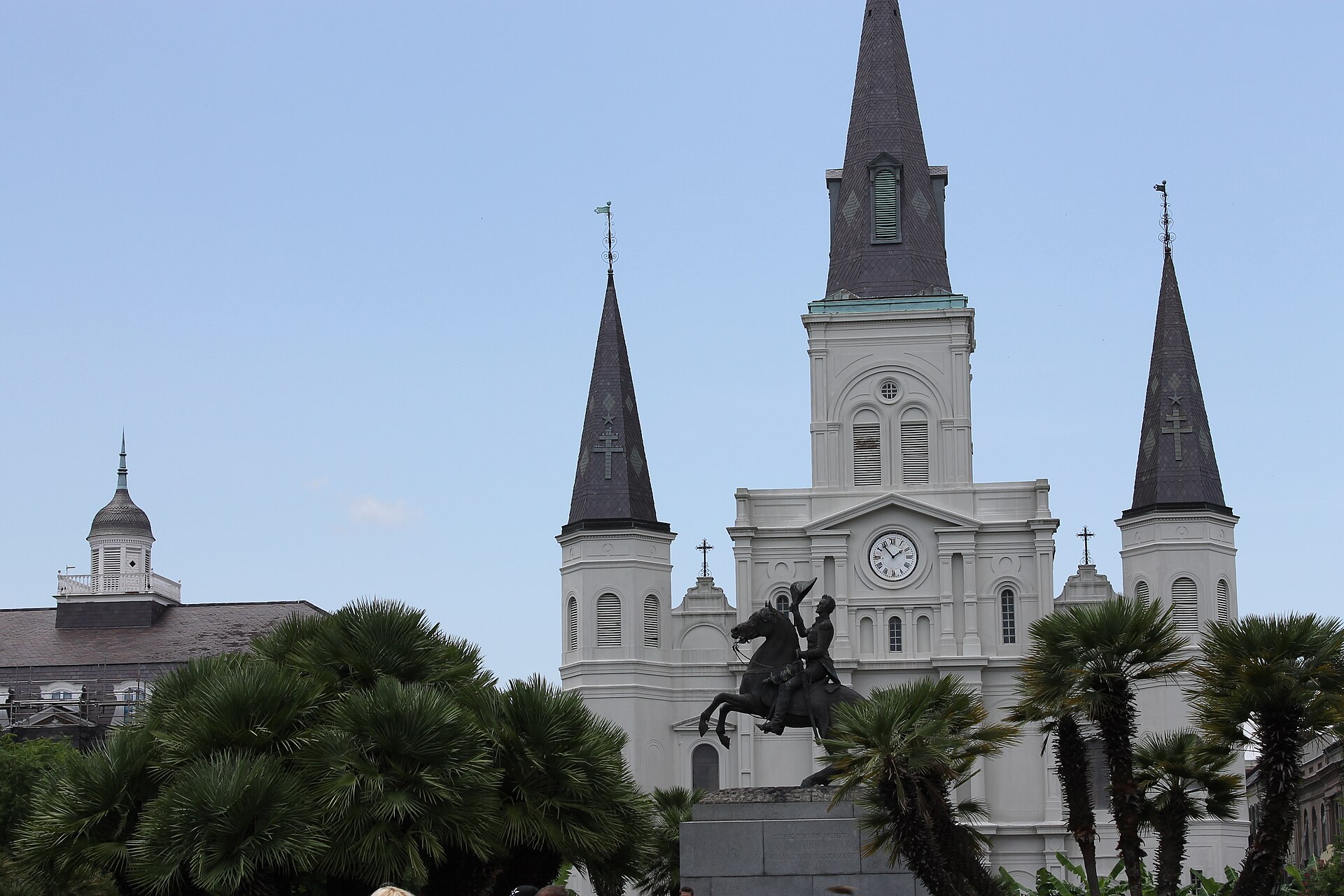
After checking in, begin in the French Quarter, the city’s best-known historic neighborhood. Wander along Royal Street for antique shops, galleries and architecture, then explore the lively streets around Jackson Square. St Louis Cathedral stands above the square, while artists and street performers add to the atmosphere.

Nearby, the French Market area is worth exploring for snacks, souvenirs and a feel for the city’s long trading history. The Quarter is busy, especially around Bourbon Street, but it becomes more interesting when you venture down quieter side streets and take your time noticing the buildings.
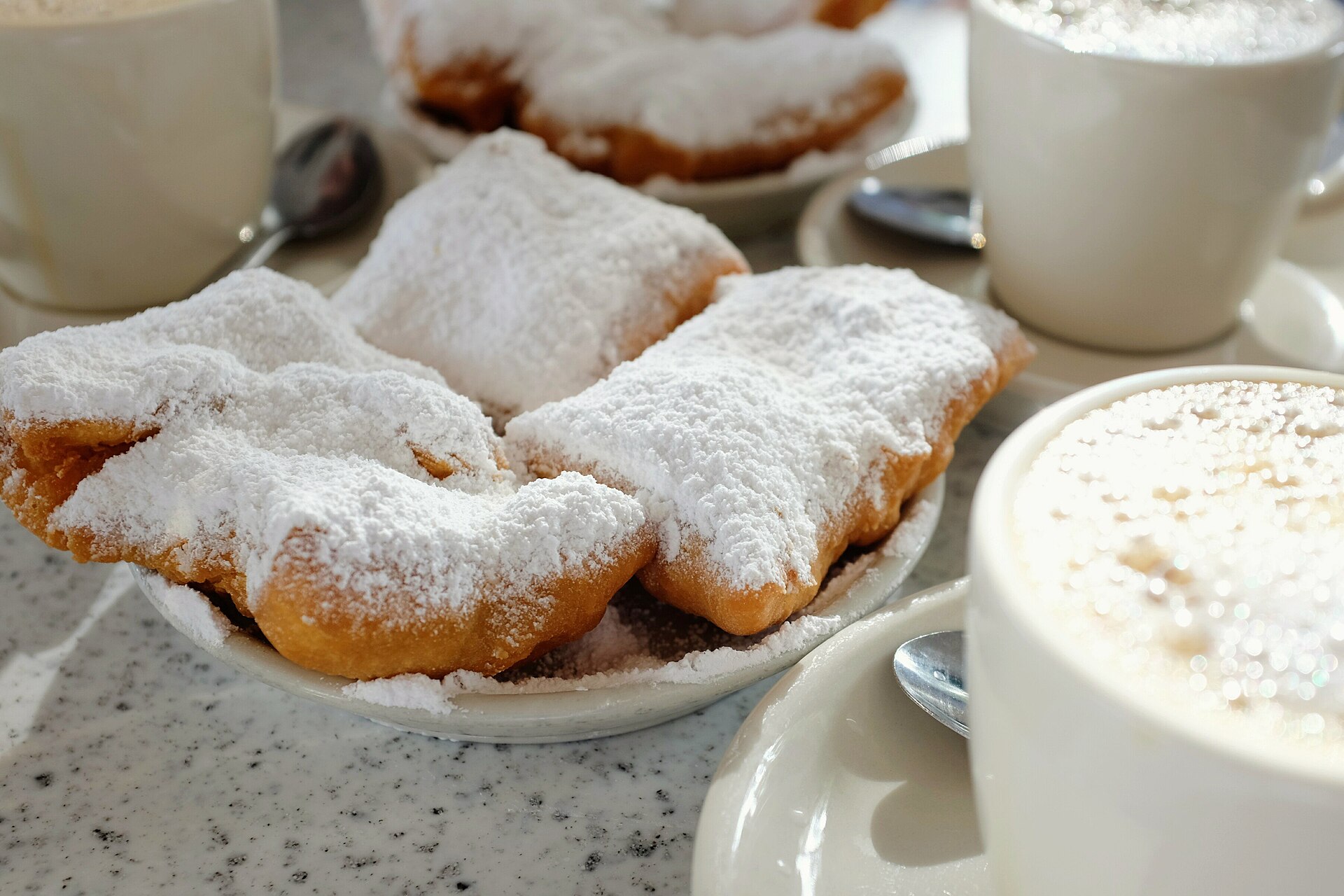
For a sweet introduction to local food, stop for a beignet dusted with powdered sugar and a café au lait. Café du Monde is the famous option, although queues can be long; other neighborhood cafés offer their own versions.

In the late afternoon, head towards the Mississippi River waterfront. The river has shaped New Orleans through trade, migration and industry, and watching vessels move along this broad waterway offers a sense of the city’s historic importance.
For dinner, try a classic Creole restaurant. Look for gumbo, red beans and rice, shrimp dishes or a seafood étouffée. Creole cooking reflects a blend of influences, including French, Spanish, African and Caribbean traditions, and is closely associated with the city.
Finish the evening with live music. For traditional jazz in the French Quarter, Preservation Hall is one of the city's most storied venues — intimate, consistently good, and worth checking on your first evening in New Orleans. Frenchmen Street in the Faubourg Marigny neighborhood is another rewarding stretch for jazz, funk and brass-driven sounds, with multiple venues clustered together. Check venue schedules, age restrictions and cover charges before heading out.
Food note: Try beignets, gumbo or a shrimp po’boy. New Orleans is a city for grazing, so leave room for spontaneous stops.
Do not miss: Jackson Square and the surrounding French Quarter streets, followed by live music in the evening.
Logistics: You can do most of today on foot. Wear comfortable shoes, carry water and use a licensed taxi or rideshare late at night if you’re traveling beyond your accommodation.
Day 2: Creole Food, Garden District Architecture and a Mississippi River Cruise
Begin the day with breakfast in the city, then travel to the Garden District, known for its historic homes, leafy streets and grand architecture. You’ll find a different atmosphere here from the French Quarter: residential avenues, mature trees and elegant houses with broad verandas.
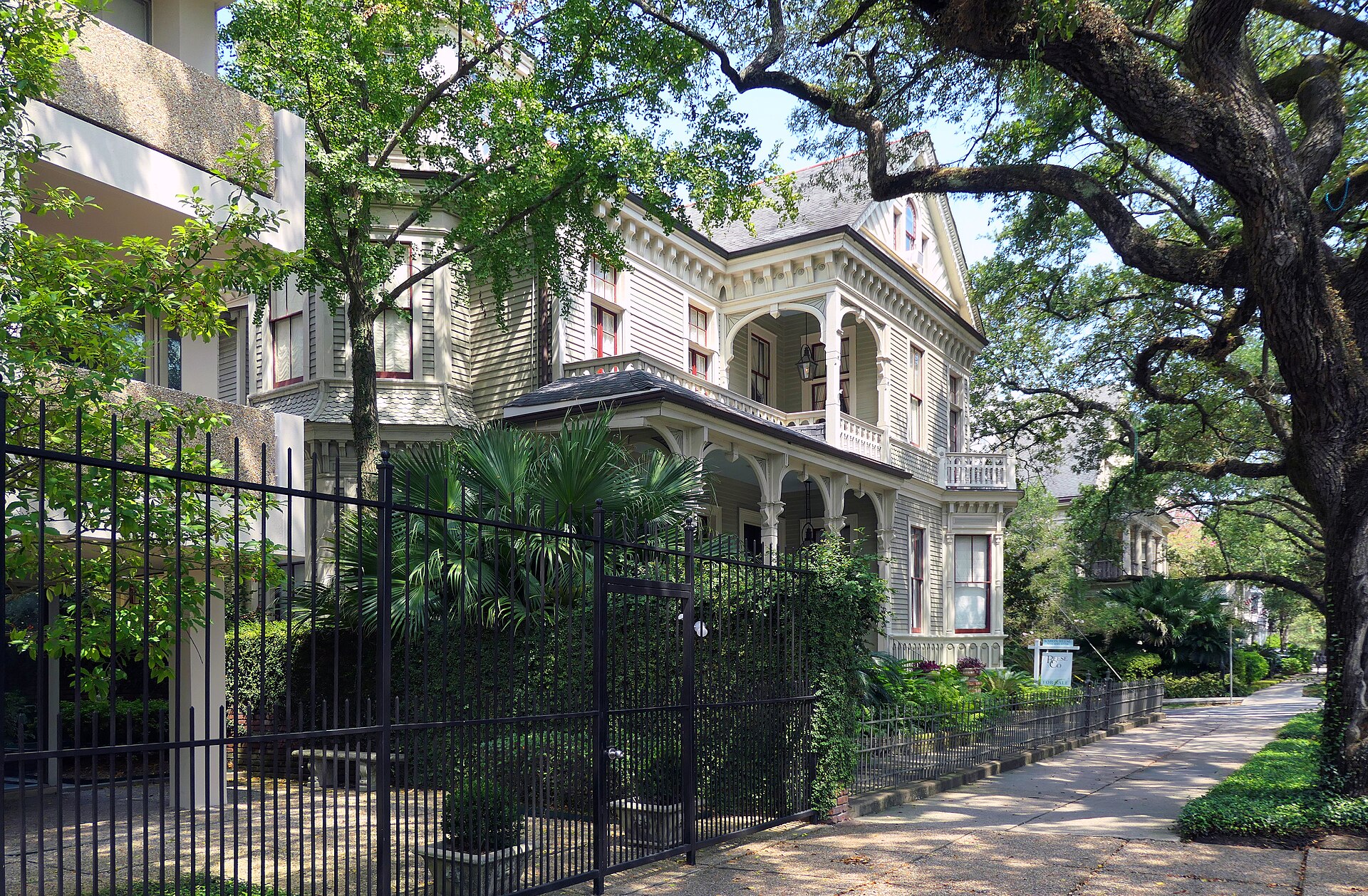

Explore on foot, taking care to respect residents’ privacy. If you’re interested in architecture, consider a guided neighborhood walk to learn about the area’s development, the people who lived here and the stories behind its historic buildings.
Continue towards Magazine Street, where independent shops, cafés, restaurants and local businesses make it an excellent place to spend a few hours. Rather than treating it as a checklist, pick a stretch that appeals to you and enjoy browsing at a leisurely pace.
For lunch, look for a classic po’boy, a muffuletta or a plate of red beans and rice. A po’boy is a generously filled sandwich, often featuring fried seafood or roast beef; the muffuletta is a New Orleans speciality traditionally made with Italian cold cuts, cheese and olive salad.
In the afternoon, make time for a Mississippi River cruise. A riverboat excursion is one of the most distinctive experiences to include on this itinerary, connecting the city’s present-day waterfront with its history as a major port. Depending on the sailing and operator, you may hear commentary about the river and the city, enjoy views of the skyline and industrial riverfront, or combine the trip with a meal and live jazz.
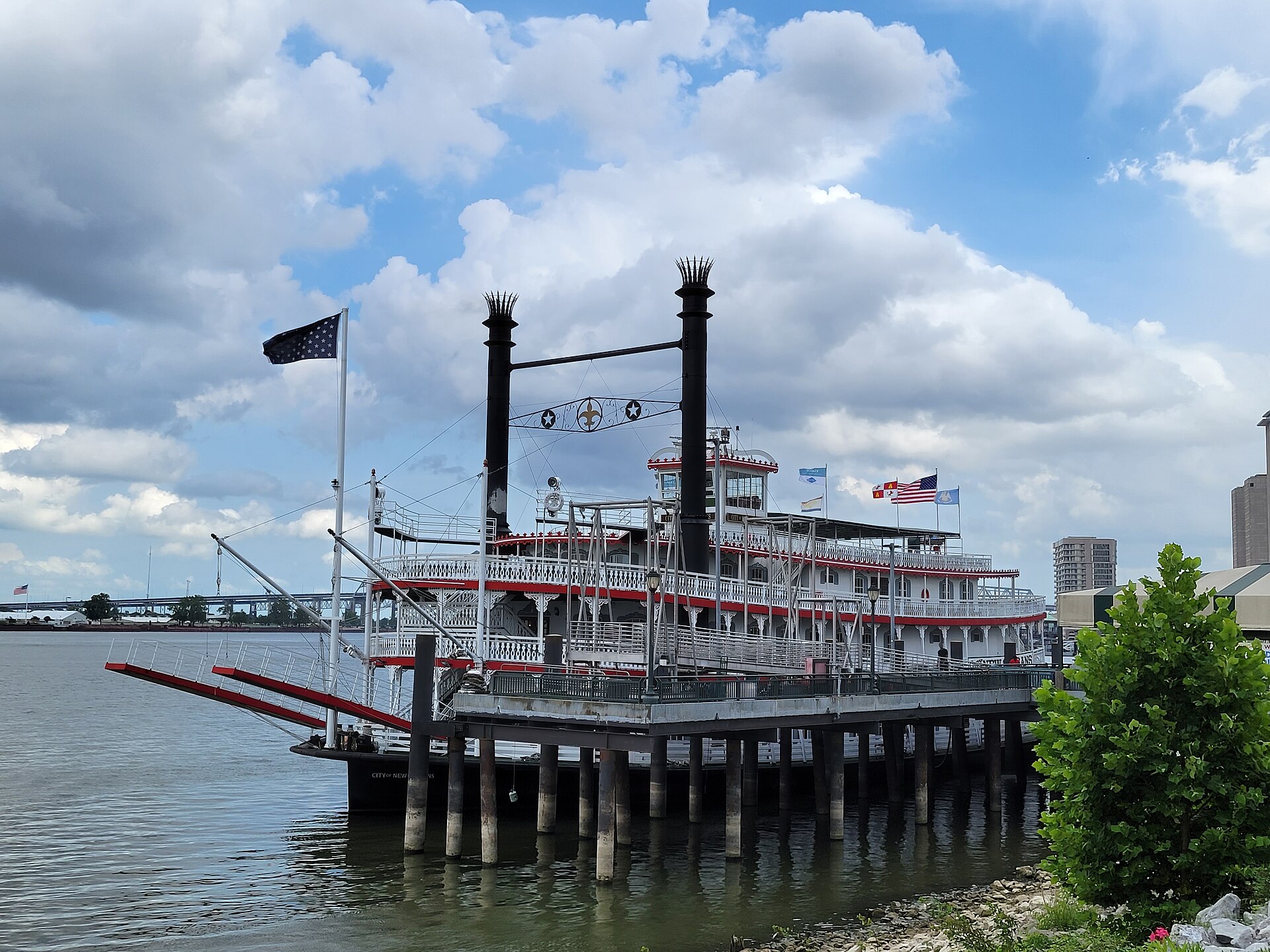

The Steamboat NATCHEZ is a well-known option for river cruises, while other operators offer different vessels and departure times. Check the official schedule before your trip, as cruise duration, food service, music and operating arrangements vary. Book ahead if you want a particular departure or dinner sailing.
Tour on Honge
Steamboat Natchez jazz cruise
A classic paddlewheel harbour cruise with live jazz and skyline views — book a morning or afternoon sailing so Day 2 stays paced for Magazine Street and dinner.
Return to shore for an evening at your own pace. You might choose a relaxed restaurant meal or head back towards Frenchmen Street for another round of live music.
Food note: Try a muffuletta, seafood po’boy or red beans and rice. If you book a dinner cruise, check the menu and whether food is included in your ticket.
Do not miss: The Mississippi River cruise. Seeing New Orleans from the water helps explain why the river has been so central to the city’s identity.
Logistics: Use the streetcar or a taxi to connect neighborhoods if you don’t want to walk long distances. Cruise departure points and boarding times vary, so confirm the meeting location and arrive early.
Day 3: Museums, Black History and the Music of New Orleans
New Orleans’ music and food are inseparable from its complex history. Today is an opportunity to look beyond the postcard views and learn about the people, traditions and events that have shaped the city.
Start with a museum visit. The New Orleans Jazz Museum, housed in the historic Old US Mint building, explores the development and influence of jazz through exhibits, instruments and music-related displays. Check current opening hours and any scheduled performances before visiting.


Alternatively, spend the morning at the Backstreet Cultural Museum if it is open during your visit. It has documented important traditions associated with African American communities in New Orleans, including Mardi Gras Indians, Social Aid and Pleasure Clubs, and jazz funerals. Because small museums can have changing schedules, confirm availability in advance.
Another option is the National WWII Museum, a major museum with extensive exhibitions. It deserves several hours, so choose it if wartime history is a priority rather than trying to squeeze it into a crowded day.
In the afternoon, explore Tremé, one of the city’s historically significant African American neighborhoods and an important place in the story of New Orleans music and culture. Consider a local guided tour to better understand the neighborhood’s heritage, churches, community traditions and musical legacy.
Later, return to the French Quarter or Faubourg Marigny for dinner. This is a good evening to try a dish you haven’t ordered yet, such as crawfish étouffée when in season, stuffed mirliton where available, or a seafood gumbo.
Then follow the sound of the music. New Orleans has an extraordinary range of live performance, from traditional jazz and brass bands to funk, blues and contemporary sounds. Rather than assuming every venue offers the same experience, check the night’s listings and choose the style you most want to hear.
Food note: Try étouffée or a seasonal seafood special. Menus vary throughout the year, and crawfish availability is especially seasonal.
Do not miss: A cultural visit that explores the communities behind the music, followed by live performance in the evening.
Logistics: Pick one major museum or two smaller cultural stops rather than trying to fit everything into one day. Confirm opening times, ticket requirements and tour availability before setting out.
Day 4: Neighborhood New Orleans
Today is about seeing more of New Orleans beyond its best-known attractions. Start with a ride on the historic St Charles streetcar, where available, traveling through the Uptown area beneath a canopy of trees. The route passes handsome homes and gives you a different perspective on the city’s everyday rhythm.
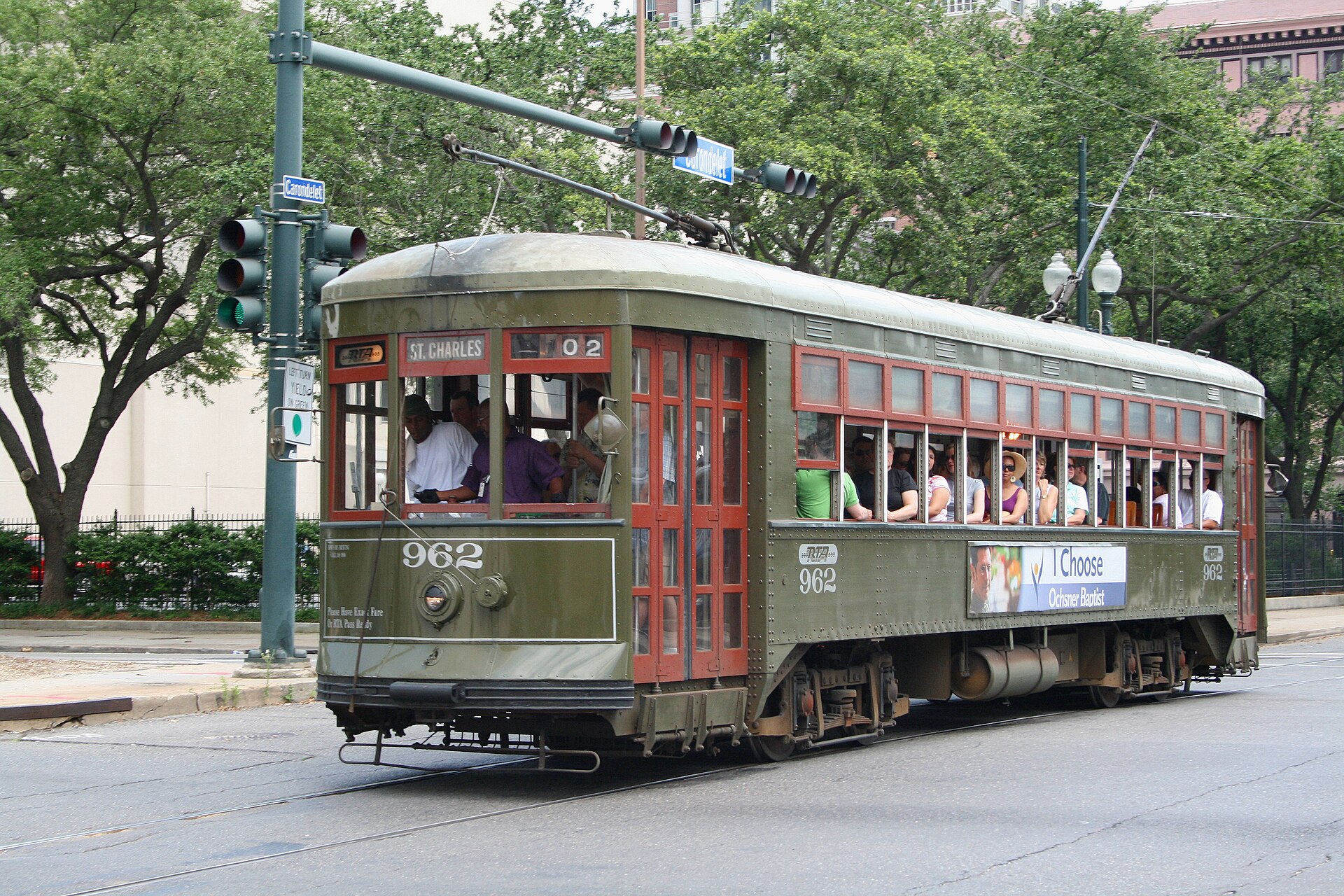

Get off for a walk around the Garden District or continue towards Uptown for a café stop. The streetcar is part of the experience rather than simply a way to get from one sight to another, but allow extra time for traffic and service delays.
For a late morning wander, explore another stretch of Magazine Street or return to a favourite neighborhood from earlier in the trip. Browse independent shops, stop for coffee and take a break in a park or shaded courtyard.
Food deserves a central place in today’s plans. Consider a long lunch featuring jambalaya, a dish of rice cooked with meat, seafood or both, seasoned with vegetables and spices. You could also seek out chargrilled oysters, a seafood platter or a classic Creole plate lunch.
Although Creole and Cajun food share ingredients and influences, they are not interchangeable. Creole cooking is often associated with New Orleans and its diverse urban culinary traditions, while Cajun food is rooted in the history and rural communities of south-west Louisiana. Both are varied, and individual recipes differ from kitchen to kitchen.
In the afternoon, revisit the riverfront or explore Algiers Point, across the Mississippi from the French Quarter. If the ferry is operating on a suitable schedule, the short river crossing offers a practical way to experience the river from another angle. Check current ferry information before planning around it.
For your last full evening in New Orleans, choose a memorable meal. This could be a classic Creole restaurant, a casual neighborhood seafood spot or a place serving contemporary Louisiana cuisine. Afterwards, enjoy one more live-music set if you have the energy.
Food note: Jambalaya, chargrilled oysters or a seasonal seafood plate are good choices for exploring the breadth of Louisiana cooking.
Do not miss: A streetcar ride and some unhurried time in a neighborhood away from the busiest parts of the French Quarter.
Logistics: Streetcars are useful for selected routes but won’t reach every attraction. Check the latest fare, route and service information, and allow time to get back to your accommodation before tomorrow’s road trip.
Day 5: Bayou Country — Swamp Landscapes and Louisiana Wildlife
Today, leave the city behind and discover the wetlands that form such an important part of southern Louisiana’s landscape. The change can be striking: busy streets give way to open water, cypress trees, marsh grasses and winding channels.
The best way to explore is with a guided swamp or bayou tour. Depending on the location and operator, excursions may use a small boat, a flat-bottomed vessel or an airboat. Some focus on wildlife and the ecology of the wetlands, while others place greater emphasis on local history and the landscape.
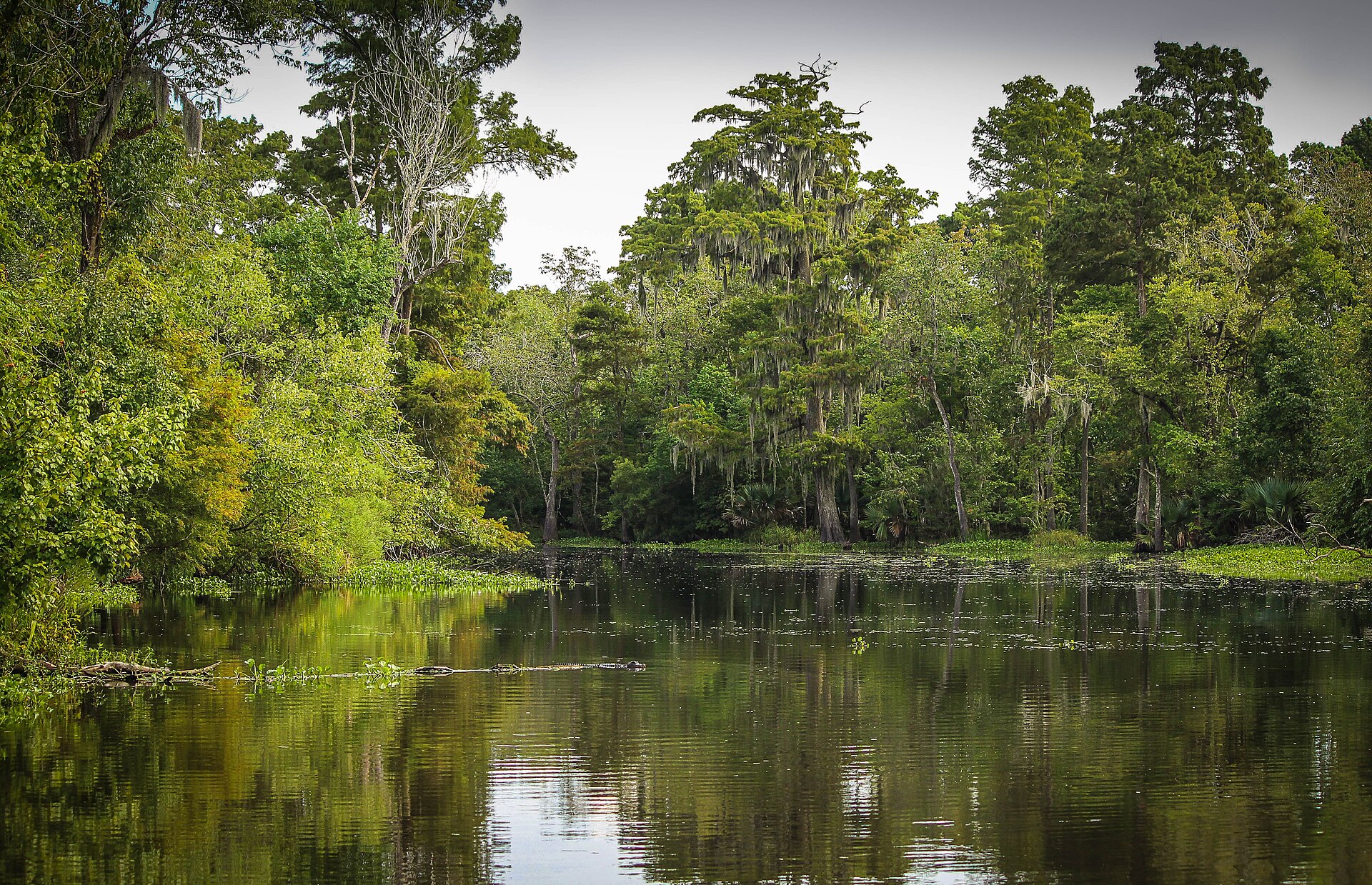

Wildlife sightings are never guaranteed, but you may see alligators, turtles, wading birds and other wetland species. The experience is as much about understanding the environment as spotting animals: wetlands help support wildlife, store carbon, filter water and protect communities from some coastal impacts.
Choose a reputable operator that explains its approach to wildlife and follows local safety rules. If a quiet, nature-focused experience appeals to you, ask about smaller-group options and the noise levels associated with different types of boat.
Tour on Honge
Jean Lafitte swamp and bayou boat tour
A guided wetlands boat trip near New Orleans — book an 8–9 am departure so you finish by midday and still have daylight for the drive west to Lafayette.
A practical option is to book a tour in the greater New Orleans area, including locations around Barataria or other accessible wetland areas, then continue west towards Lafayette. Exact driving times depend on the tour location and traffic.
If you prefer a slower day, you can take your bayou excursion and stay another night in New Orleans, but that means adjusting the Cajun Country section or making Day 7 more demanding. For the suggested route, aim to finish the tour early enough to drive towards Lafayette before evening.
On arrival, settle into your accommodation and enjoy dinner. This is a good time to start exploring Cajun cooking: look for boudin, cracklins, rice dishes or a daily special featuring local seafood.
Food note: Try boudin, a seasoned rice-and-meat sausage popular in south-west Louisiana, or cracklins, crisp pieces of pork skin and fat. Ask locals where they like to buy them.
Do not miss: A guided wetlands tour that explains the ecology and culture of the bayou rather than focusing only on wildlife photographs.
Logistics: Allow roughly 45 minutes to 1.5 hours for a drive from New Orleans to an accessible wetlands-tour area, depending on the location and traffic. Book an 8–9 am departure if possible — most tours run 2–3 hours, which puts you back on the road by noon and into Lafayette before evening. The drive from the tour area west to Lafayette is typically 2.5–3 hours, as you are starting south of the city rather than from the center. Confirm the tour meeting point, bring sun protection and insect repellent, and check weather conditions.
Day 6: Cajun Country — Lafayette, Local Food and Acadian Heritage
Cajun Country feels different from New Orleans. The pace is often more relaxed, the towns are smaller and the food traditions reflect the history of Acadian communities who settled in Louisiana, alongside many other cultural influences. French-derived language traditions, family recipes, dance halls and local music remain important parts of the region’s identity, although they vary from community to community.
Start in Lafayette, a useful base for exploring south-west Louisiana. Visit the Vermilionville Living History Museum and Folklife Park, where available, to learn about regional culture, architecture, music, crafts and daily life. Check current opening days and program details before traveling.
Another worthwhile stop is the Acadian Cultural Center in Lafayette, part of Jean Lafitte National Historical Park and Preserve. Its exhibits and interpretation help explain the Acadian story and the development of Cajun culture. Confirm current opening hours before visiting.
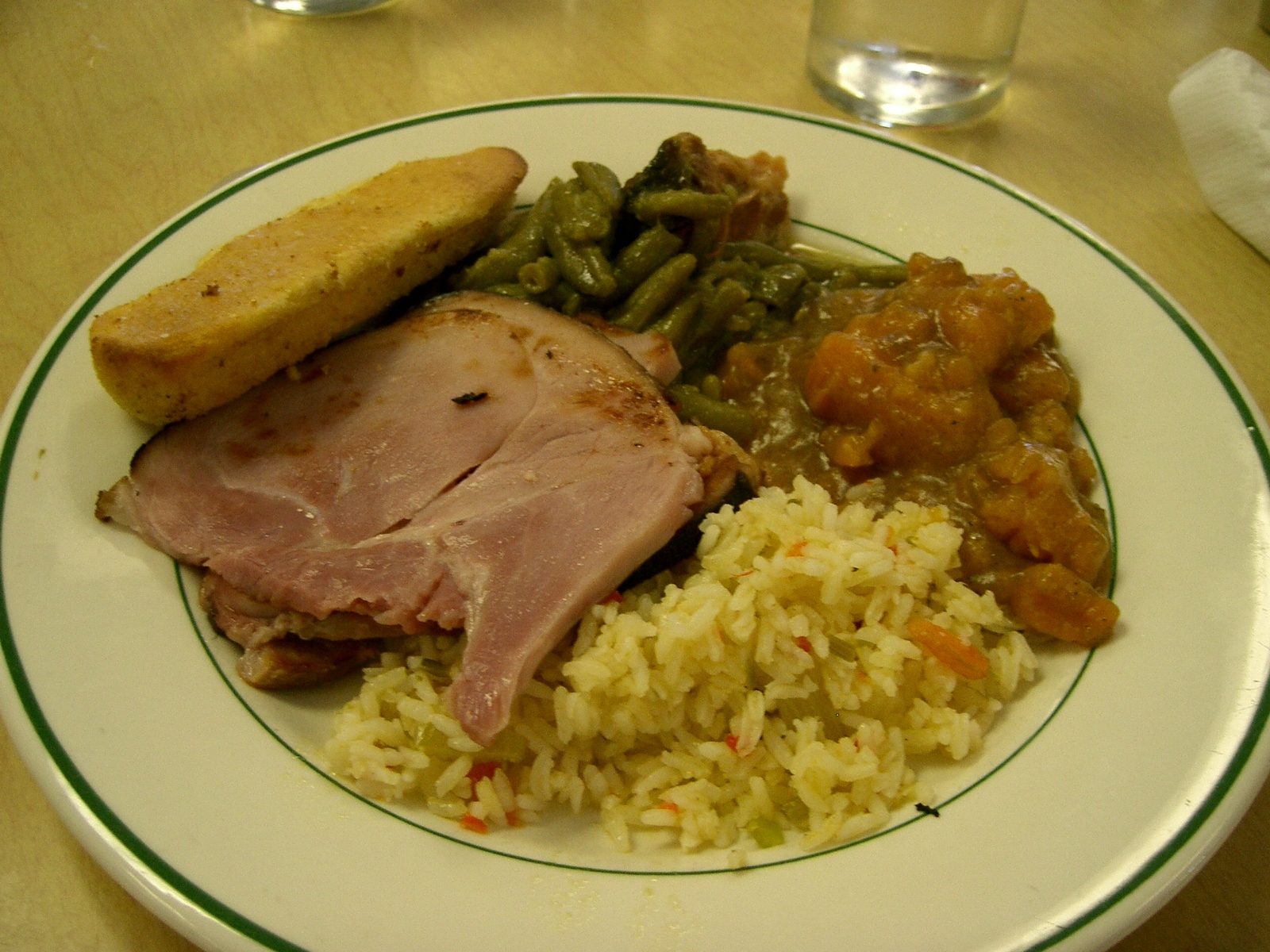
For lunch, make it a proper Cajun food stop. Look for boudin, gumbo, rice dressing, crawfish dishes when in season, or a plate featuring smoked meats and local sides. Cajun cooking often uses a flavor base of onion, celery and bell pepper, though recipes and techniques vary. If you enjoy spicy food, ask how a dish is seasoned before adding extra hot sauce.

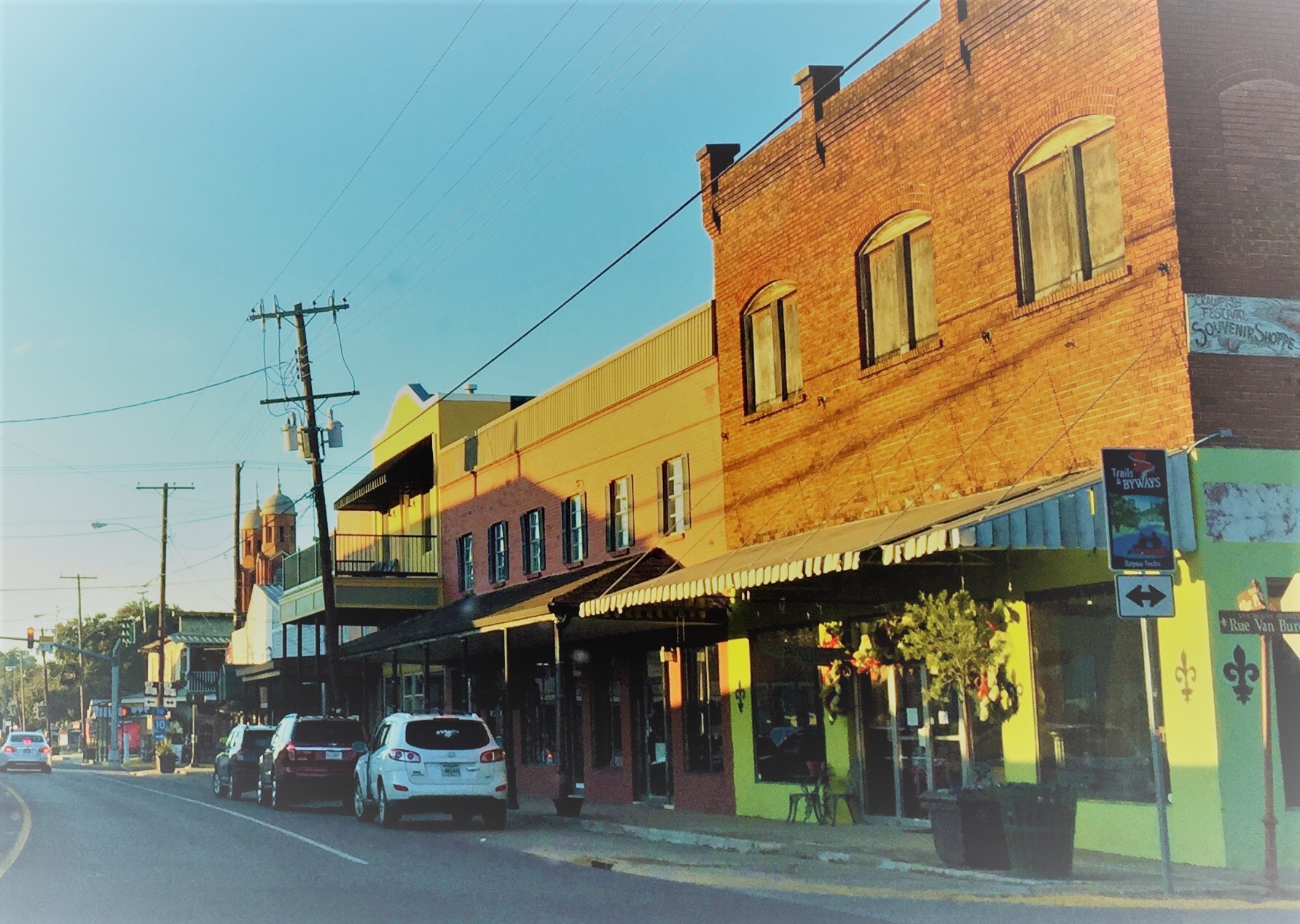
In the afternoon, consider a short drive to a nearby small town or rural community. Breaux Bridge, known for its Cajun culture and crawfish connections, is a natural choice when time allows. Stroll around the town, stop for a snack and look for local events or music listings.

Make the evening about music. Cajun music and zydeco are related but distinct traditions, with different histories and sounds. Depending on the venue and the night, you may find fiddles, accordions, lively dance rhythms or a mix of regional and contemporary styles. Check current listings for a live performance or dance hall, and be open to joining in if the atmosphere feels welcoming. Many authentic dance halls operate on specific nights only — Friday and Saturday are the most reliable for live music; some also run Thursday evenings. If your visit falls on a weekday, confirm in advance before building your evening around a particular venue.
Food note: Boudin, gumbo, rice dressing and seasonal crawfish are excellent introductions to the region. Ask about daily specials, as some of the most memorable meals are not the most elaborate.
Do not miss: A cultural visit in Lafayette followed by an evening of Cajun or zydeco music, ideally at a local venue rather than a tourist-focused performance.
Logistics: A car is especially useful today. Lafayette makes a convenient base, but cultural attractions, small towns and music venues may be spread across the region. Check opening times and performance schedules in advance, and plan a safe return journey after an evening out.
Day 7: Return to New Orleans and Depart
After breakfast in Lafayette, begin the drive back to New Orleans. The journey is generally around 2–2.5 hours in normal conditions, but allow extra time for traffic, roadworks and airport rental-car returns. If your flight is early, the safer choice is to return to New Orleans the previous evening and stay near the airport or in a convenient part of the city.
If your schedule allows, make one final stop for coffee or a local snack before leaving Lafayette. You might pick up boudin for the road or enjoy one last Cajun breakfast.
Once back in New Orleans, return your rental car if you no longer need it. If you have a few hours before departure, keep plans simple: a short riverfront walk, lunch near your route to the airport or a final stop at a market.
Resist the temptation to squeeze in a major attraction if it could make the journey stressful. The best ending to this trip is a relaxed one, with time to reflect on the contrast between New Orleans’ urban energy and the quieter landscapes and traditions of Cajun Country.
Food note: Enjoy a final po’boy, a local pastry or a Cajun snack picked up in Lafayette.
Do not miss: Leave enough time for the return drive and airport formalities. A relaxed departure is better than one last rushed attraction.
Logistics: Lafayette to New Orleans is approximately 2–2.5 hours by car in typical conditions, with additional time needed for the airport. Check your flight terminal, rental-car return instructions and current traffic before leaving.
Where to Stay in Louisiana
For this itinerary, the easiest arrangement is four nights in New Orleans, one night in Lafayette and a final night either in Lafayette or New Orleans, depending on your flight time and preference for a more relaxed departure.
New Orleans: Four Nights
- French Quarter: Best for first-time visitors who want to be close to historic sights, restaurants and nightlife. It is lively and convenient, though some streets can be noisy late at night.
- Central Business District and Warehouse District: Good for access to museums, restaurants, the riverfront and transport links without staying in the busiest part of the Quarter.
- Garden District and Uptown: A quieter choice with attractive streets, local cafés and streetcar access. You may spend more time traveling to some downtown attractions.
Lafayette: One Night
Staying in Lafayette makes the Cajun Country section much easier. Choose a central location if you want to walk to restaurants, or accommodation with straightforward parking if you plan to drive to surrounding towns and cultural sites. If your schedule is tight or your flight from New Orleans is early, consider returning to New Orleans on Day 6 instead, or extending the trip by one night.
Getting Around: Do You Need a Rental Car?
You do not need a rental car for the first four days in New Orleans. The French Quarter, riverfront and several major neighborhoods are walkable, while streetcars, buses, taxis and rideshares help connect the wider city.
A rental car becomes much more useful once you leave New Orleans. Wetlands-tour departure points, Lafayette, Breaux Bridge and other Cajun Country stops are not all conveniently connected by public transport.
| Route | Approximate travel time |
|---|---|
| New Orleans city centre to an accessible wetlands-tour area | 1–2 hours, depending on location |
| New Orleans to Lafayette | 2–2.5 hours |
| Lafayette to Breaux Bridge | Around 20–30 minutes |
| Lafayette back to New Orleans | 2–2.5 hours |
| French Quarter to the Garden District | Around 15–30 minutes by streetcar or car |
Practical tip: Consider hiring a car on Day 5 rather than paying for several days of city parking in New Orleans — but pick it up the evening of Day 4 if you can, so Day 5 morning is free for an early tour departure rather than adding a rental pickup to an already packed day. Confirm your rental company’s pickup arrangements and opening hours.
What to Eat in New Orleans and Cajun Country
- Gumbo — A rich stew often made with seafood, chicken or sausage, served with rice.
- Beignets — Fried pastries covered in powdered sugar, often served with coffee.
- Po’boy — A New Orleans sandwich, commonly filled with fried seafood or roast beef.
- Muffuletta — A substantial sandwich associated with New Orleans’ Italian American food traditions.
- Red beans and rice — A much-loved Louisiana dish with many home and restaurant variations.
- Jambalaya — Rice cooked with meat, seafood or both, alongside vegetables and seasonings.
- Étouffée — A thick, seasoned dish commonly featuring shellfish or another protein served over rice.
- Boudin — A seasoned rice-and-meat sausage particularly associated with Cajun Country.
- Cracklins — Crisp pork skin and fat, often sold at local shops and markets.
- Crawfish — A regional favourite, especially associated with the spring season, though availability varies.
Creole food is strongly associated with New Orleans’ urban mix of cultural influences, while Cajun cooking is linked to Acadian communities and rural south-west Louisiana. The distinction is useful, but the cuisines overlap and continue to evolve. Ask what the kitchen recommends that day.
Music: Jazz, Cajun and Zydeco
Music is not simply an attraction in Louisiana; it is part of everyday community life and a way to understand the region’s history.
In New Orleans, look for jazz, brass bands, funk, blues and second-line traditions. Frenchmen Street is a useful starting point for live music, but the best venue depends on the night, the performers and your musical tastes.
In Cajun Country, seek out Cajun music and zydeco. Cajun music has deep connections to Acadian heritage and often features fiddle and accordion. Zydeco developed in African American Creole communities and has its own distinctive rhythms and influences. Both traditions are living, evolving forms of music rather than museum pieces.
Check venue listings before traveling, especially in smaller towns, where performances may be tied to particular evenings or community events.
Best Time to Visit Louisiana
The most comfortable months for this itinerary are generally October to November and February to April, when conditions can be more pleasant for walking, neighborhood exploration and outdoor excursions.
- February to April: A lively period for festivals and spring travel, including Mardi Gras dates that vary annually. Book accommodation early around major events.
- May: Often warm and humid, with opportunities to experience the city outside the busiest festival period.
- June to September: Hot, humid and frequently stormy. Hurricane season runs from June through November.
- October to November: Often a good balance for city walking, food trips and wetlands excursions, though weather and storm risks still need monitoring.
- December to January: Can be pleasant for cultural visits and food-focused travel; bring layers and check seasonal opening hours.
Budgeting for 7 Days in Louisiana
Broad planning estimates per person in US dollars, assuming two people share a room. Excludes flights. Actual costs vary with season, hotel standards, tours and whether you hire a car.
| Travel style | Approximate daily budget |
|---|---|
| Budget-conscious | $100–160 |
| Mid-range | $180–300 |
| More comfortable | $320+ |
A rental car, fuel, parking, a Mississippi River cruise and a guided bayou excursion can raise the total. Mix casual food stops with a few special meals, and compare cruise and wetlands-tour options before booking.
Practical Tips for a Smooth Trip
- Book the Mississippi River cruise, popular museums and guided wetlands tour once your dates are fixed.
- Do not overpack the schedule — leave unplanned time for music, food and neighborhood wandering.
- Hire a car only when useful; avoid unnecessary parking costs during your first four days in the city.
- Plan around opening hours for smaller cultural attractions and music venues.
- Bring comfortable shoes, sunscreen, water and insect repellent, particularly for wetlands excursions.
- Check the forecast — heavy rain and storms can affect road travel, boat tours and outdoor plans.
- Follow your guide’s wildlife instructions and choose operators that respect the environment.
- Use normal city safety precautions, especially late at night.
- Ask before photographing people, performers or private property.
- Check festival dates — major events can make accommodation more expensive and harder to find.
Important Links
- New Orleans & Company — general destination planning
- Steamboat NATCHEZ — Mississippi River cruise
- Preservation Hall — live jazz
- New Orleans Jazz Museum — music history
- National WWII Museum — major museum in the Warehouse District
- New Orleans RTA — streetcars and public transport
- Jean Lafitte National Historical Park — wetlands and bayou experiences
- Lafayette Travel — Cajun Country planning
- Vermilionville — regional history and culture
- Louisiana Travel — statewide travel and food inspiration
- 511 Louisiana — road conditions for the drive
Frequently Asked Questions
Is seven days enough for New Orleans and Cajun Country?
Yes, if you focus on New Orleans, one wetlands excursion and the Lafayette area. Seven days gives you time to experience the city’s food and music while seeing how the surrounding region differs. It is not enough to explore every part of Louisiana, so choose a few cultural stops rather than trying to cover the entire state.
Do I need a car in New Orleans?
Not for most of the city-focused itinerary. Walking, streetcars, buses, taxis and rideshares are practical for many attractions. A rental car is much more useful for the wetlands and Cajun Country sections, where attractions and towns are spread out.
Can I do a swamp tour as a day trip from New Orleans?
Yes. Several wetlands-tour areas can be reached from New Orleans, although driving time depends on the departure point. For this itinerary, choose an excursion that leaves enough time to continue towards Lafayette, or stay another night near New Orleans if you prefer a slower day.
What is the difference between Creole and Cajun food?
Creole cuisine is often associated with New Orleans and its diverse urban culinary traditions, while Cajun cuisine is rooted in the history and communities of south-west Louisiana. Both have varied influences, share ingredients and have evolved over time, so the distinction is not absolute.
Is the Mississippi River cruise worth including?
Yes. A cruise adds a different perspective on New Orleans and its relationship with the river. Choose a sightseeing or dinner sailing according to your interests, and check the operator’s current schedule, boarding location, inclusions and accessibility details.
When is the best time to hear live music?
There is live music throughout the year, but specific performances depend on the venue and day of the week. Check current listings before your trip. If music is a priority, leave at least two evenings free in New Orleans and one evening in Cajun Country.
Is this trip suitable without speaking French?
Yes. English is widely used by visitors and service providers. French-derived language traditions remain an important part of Louisiana’s heritage. You do not need to speak French to enjoy the trip.
Final Thoughts
A week in Louisiana offers far more than a checklist of famous dishes and music venues. New Orleans brings together historic streets, Creole food, live jazz and the constant presence of the Mississippi River. Beyond the city, the bayous reveal a landscape shaped by water and wildlife, while Cajun Country offers a closer look at regional traditions, local food and community music.
The contrast is what makes this route special. You can spend one evening listening to jazz in New Orleans, then the next discovering Cajun flavors and rhythms around Lafayette. Leave room for an extra plate, an unexpected music session and a conversation with someone who knows the area.
Ready for jazz, bayous and Cajun food?
Plan your Louisiana trip with Honge
Open this itinerary in Honge and make it yours: swap stops, shift days, change the pace.
Related itineraries
Written by
This blog was contributed by B. Sai Nikita, a travel enthusiast and writer. B. Sai Nikita can be reached at bsainikita10@gmail.com.
About Honge
Honge is an AI travel planning platform focused on practical, experience-led itineraries with realistic pacing and logistics. All blog content is edited and published by Honge. Our Louisiana research draws on updated practical logistics as of October 2026. © Honge. All rights reserved.
Image credits: Photos are sourced from Wikimedia Commons. Copyright remains with their respective photographers and rights holders. Images are used according to their applicable license terms, including CC BY-SA 3.0 and CC BY-SA 4.0.
Travel disclaimer
This itinerary is intended as general travel inspiration and planning guidance only — not as personalised travel, safety or medical advice. Opening hours, road conditions, ferry and streetcar service, boat-tour availability, music venues and airport procedures can change. Confirm details with official sources before you travel. Weather and wildlife sightings are never guaranteed. Take out comprehensive travel insurance. Suggested stay areas in this article are samples only and depend on availability; in the Honge app they may appear as booking options when offered by our vendors at the time of your search. Honge is not responsible for decisions made based on this guide or for changes to places, prices, access, services or experiences after the date of publication.